

Exploring the Science Behind Live Sound Speakers: A Deep Dive into Audio Technology
Exploring the Science Behind Live Sound Speakers Table of Contents 1. Introduction: The Role of Live Sound Speakers in Audio Production 2. Understanding Audio: Sound Waves and Frequencies 3. Key Components of Live Sound Speakers 4. Different Designs of Live Sound Speakers 5. Setting Up Live Sound Systems: Best Practices 6. Factors Influencing Sound Quality in Live Settings 7. Troubl
May 06,2026
Exploring the Science Behind Live Sound Speakers
Table of Contents
- 1. Introduction: The Role of Live Sound Speakers in Audio Production
- 2. Understanding Audio: Sound Waves and Frequencies
- 3. Key Components of Live Sound Speakers
- 4. Different Designs of Live Sound Speakers
- 5. Setting Up Live Sound Systems: Best Practices
- 6. Factors Influencing Sound Quality in Live Settings
- 7. Troubleshooting Common Live Sound Issues
- 8. The Future of Live Sound Technology
- 9. Conclusion: The Evolution of Live Sound Speakers
- 10. FAQs: Your Questions About Live Sound Speakers Answered
1. Introduction: The Role of Live Sound Speakers in Audio Production
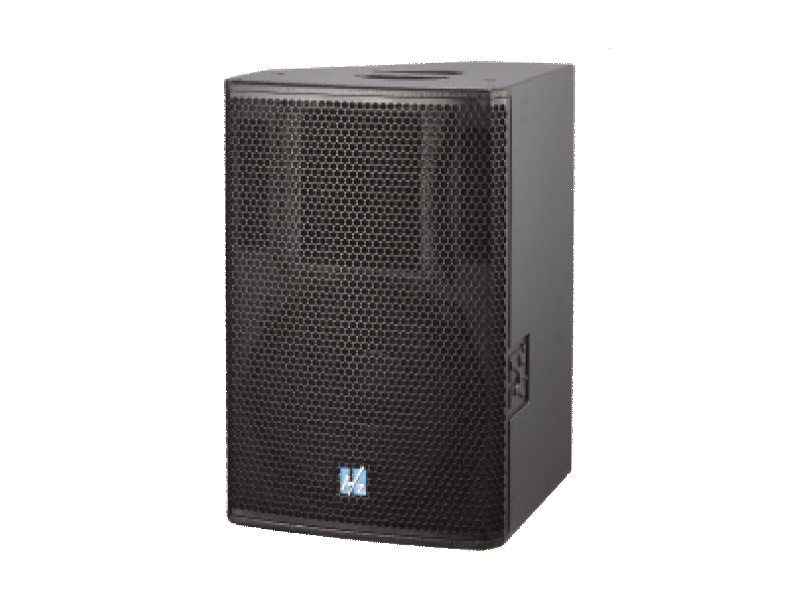
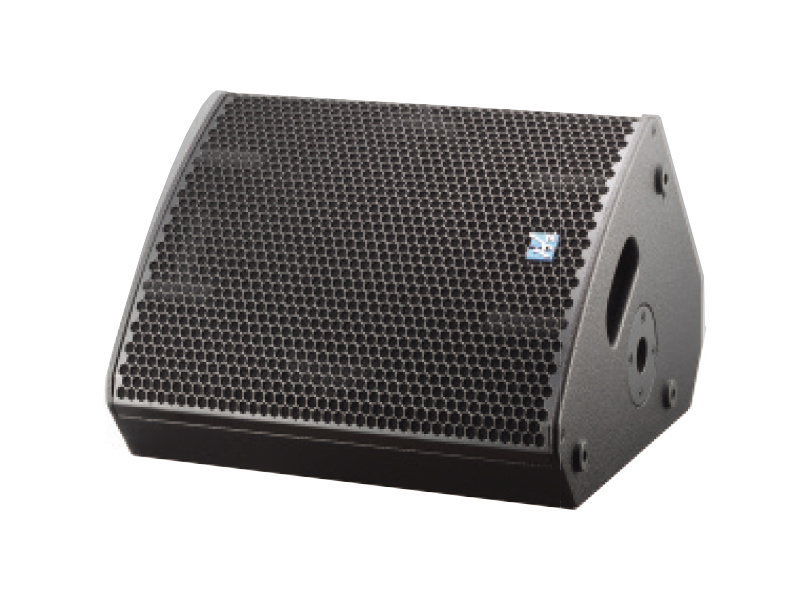
Live sound speakers play a crucial role in delivering high-quality audio experiences in various settings, including concerts, theaters, and public events. They are engineered to amplify sound, ensuring that audiences receive clear and powerful audio, regardless of venue size. Understanding the science behind these speakers is essential for audio engineers, musicians, and sound enthusiasts alike. In this article, we will explore the various components, designs, and technologies that contribute to the effectiveness of live sound speakers.
2. Understanding Audio: Sound Waves and Frequencies
At the core of audio technology lies the understanding of sound waves and frequencies. Sound is produced by vibrations that travel through air (or other mediums), creating waves that our ears perceive as different pitches and volumes. The frequency of these waves, measured in Hertz (Hz), determines the pitch of the sound, while the amplitude relates to the volume.
2.1 The Range of Human Hearing
The human ear can typically perceive frequencies ranging from 20 Hz to 20,000 Hz. Understanding this range is vital for designing speakers that cater to the full spectrum of human hearing. For instance, live sound speakers are engineered to reproduce low frequencies (bass) effectively, as well as mid and high frequencies, providing a balanced audio experience.
2.2 Harmonics and Their Importance
Harmonics play a significant role in how we perceive sound quality. These are the overtones that accompany the fundamental frequency of a sound. A high-quality speaker must accurately reproduce these harmonics to create a rich and full audio experience. This is where the science of speaker design becomes crucial.
3. Key Components of Live Sound Speakers
To appreciate the science behind live sound speakers, one must understand their key components. Each element serves a specific purpose in the overall function of the speaker.
3.1 Drivers
The driver is the heart of the speaker, responsible for converting electrical signals into sound waves. There are three primary types of drivers:
- **Woofer**: Handles low frequencies (typically below 500 Hz) and provides depth to the sound.
- **Midrange**: Covers the middle frequencies, ensuring clarity in vocals and instruments.
- **Tweeter**: Responsible for high frequencies (above 2,000 Hz), adding brightness and detail to the audio.
3.2 Crossover Networks
Crossover networks divide the audio signal into different frequency ranges and direct them to the appropriate drivers. This ensures that each driver performs optimally, enhancing the overall sound quality. An effective crossover design is crucial for maintaining balance and clarity in the audio output.
3.3 Enclosures
The enclosure or cabinet of a speaker affects its acoustic performance. Enclosures can be sealed or ported, each providing distinct sound characteristics. A well-designed enclosure minimizes unwanted vibrations and enhances the speaker's overall efficiency.
4. Different Designs of Live Sound Speakers
Various designs of live sound speakers cater to different application needs. Understanding these designs helps audio professionals choose the right equipment for specific environments.
4.1 Passive vs. Active Speakers
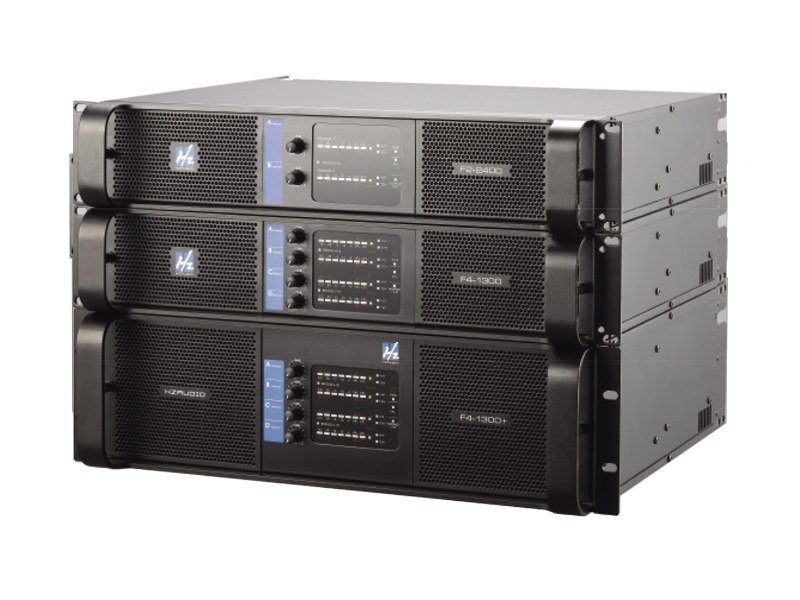
- **Passive Speakers**: Require an external amplifier to power them. They offer flexibility in terms of sound processing but may require more setup and configuration.
- **Active Speakers**: Come with built-in amplifiers and often include digital signal processing (DSP). These are easier to set up and can provide precise control over sound output.
4.2 Point Source vs. Line Array Systems
- **Point Source Speakers**: Emit sound from a single point, suitable for smaller venues and events. They are straightforward and effective for localized sound coverage.
- **Line Array Systems**: Consist of multiple speaker elements arranged vertically. These systems are designed for larger venues, providing consistent sound coverage across vast areas and minimizing sound drop-off.
5. Setting Up Live Sound Systems: Best Practices
Achieving optimal sound quality at live events requires careful planning and setup. Following best practices can help ensure a successful audio experience.
5.1 Proper Speaker Placement
Speaker placement is critical for achieving balanced sound. Front-of-house speakers should be positioned at ear level and angled towards the audience. Additionally, considering the venue’s acoustics is essential; reflections from walls and ceilings can significantly impact sound quality.
5.2 Use of Subwoofers
Incorporating subwoofers can enhance the low end of the audio spectrum, providing depth and richness to the sound. When placing subwoofers, it’s important to consider phase alignment with other speakers to avoid muddy audio.
5.3 Sound Checks and Calibration
Conducting thorough sound checks before an event is vital. This allows for adjustments to be made, ensuring that all frequencies are balanced and the audio is clear. Calibration tools can help fine-tune the sound system to fit the specific acoustics of the venue.
6. Factors Influencing Sound Quality in Live Settings
Several factors influence the sound quality of live events. Understanding these can help improve overall audio experiences.
6.1 Room Acoustics
The acoustics of a venue can either enhance or detract from the sound quality. Hard surfaces can create echoes, while soft materials absorb sound. Assessing the venue’s acoustics and adjusting the setup accordingly is essential.
6.2 Speaker Quality and Specifications
The quality of speakers and their specifications (such as frequency response and sensitivity) directly impact sound quality. Investing in high-quality speakers that meet professional standards is crucial for achieving the best audio performance.
6.3 Audience Interaction
The audience's interaction with the sound can also affect the overall experience. For instance, a packed venue may alter the acoustics due to the absorption of sound by the audience. Understanding this dynamic can help audio engineers prepare for live performances.
7. Troubleshooting Common Live Sound Issues
Even the best-planned sound setups can encounter issues. Knowing how to troubleshoot common problems can ensure a smooth audio experience.
7.1 Feedback Problems
Feedback occurs when a microphone picks up sound from a speaker and amplifies it, creating a loop. To minimize feedback, positioning microphones away from speakers and adjusting levels is essential.
7.2 Distortion and Clipping
Distortion can occur if the audio signal is too strong for the speaker or amplifier. Monitoring levels and ensuring that the equipment is not overdriven can help prevent this issue.
7.3 Connectivity Issues
Loose cables or faulty connections can disrupt audio signals. Regularly checking and maintaining equipment connections is crucial for avoiding interruptions during live events.
8. The Future of Live Sound Technology
As technology evolves, so does the landscape of live sound systems. Emerging trends are shaping the future of audio technology.
8.1 Wireless Technology
Wireless sound systems are becoming increasingly popular, offering flexibility and reducing the clutter of cables. Advances in wireless technology ensure reliable connections and high-quality sound delivery.
8.2 Integration of Artificial Intelligence
AI is gradually being integrated into sound systems, allowing for real-time adjustments based on audience feedback and acoustics. This technology promises to enhance the live audio experience further.
8.3 Eco-Friendly Solutions
Sustainability is becoming a priority in audio technology. Manufacturers are exploring eco-friendly materials and designs to minimize environmental impact while maintaining high sound quality.
9. Conclusion: The Evolution of Live Sound Speakers
The science behind live sound speakers is a fascinating blend of engineering, acoustics, and technology. As we have explored, the components, designs, and setup practices all contribute to the effectiveness of these systems in delivering high-quality audio experiences. Understanding these intricacies not only enhances our appreciation for live sound but also empowers audio professionals to optimize their setups for the best possible outcomes. As technology advances, we look forward to seeing how innovations will continue to shape the future of live sound speakers.
10. FAQs: Your Questions About Live Sound Speakers Answered
What is the difference between active and passive speakers?
Active speakers have built-in amplifiers, while passive speakers require an external amplifier.
How do I choose the right speaker for my event?
Consider the venue size, type of event, and desired sound quality. It’s crucial to match the speaker specifications to your requirements.
What is a crossover network, and why is it important?
A crossover network directs different frequency ranges to specific drivers, ensuring optimal sound reproduction and balance.
How can I prevent feedback during a live performance?
Position microphones away from speakers and adjust sound levels to minimize the risk of feedback.
What trends should I watch for in live sound technology?
Look out for advancements in wireless technology, AI integration, and eco-friendly solutions that prioritize sustainability.
By understanding the science and technology behind live sound speakers, you can enhance your knowledge and experience in the vibrant world of audio.

CONTACT
Hzaudio Office Address: 16 st joins ave, mont Albert, Vic 3127, Australia
Hzaudio Lab Address: No. 455, Fuyi Road, Dalong Street, Panyu District, Guangzhou, China
Tel: +86 20-34882578 Cell:+86 18620144731
E-mail: sale@hzaudio.com
Follow Us On Wechat!