

Why Sound Engineers Prefer Certain Stage Monitor Speakers: A Deep Dive into Their Choices
Why Sound Engineers Prefer Certain Stage Monitor Speakers Table of Contents 1. Introduction to Stage Monitor Speakers 2. Understanding the Role of Sound Engineers 3. The Importance of Stage Monitor Speakers in Live Sound 4. Key Features Sound Engineers Look For 4.1 Audio Quality: Clarity and Fidelity 4.2 Power Handling Capability 4.3 Form Factor: Shape and Size
May 20,2026
Why Sound Engineers Prefer Certain Stage Monitor Speakers
Table of Contents
- 1. Introduction to Stage Monitor Speakers
- 2. Understanding the Role of Sound Engineers
- 3. The Importance of Stage Monitor Speakers in Live Sound
- 4. Key Features Sound Engineers Look For
- 4.1 Audio Quality: Clarity and Fidelity
- 4.2 Power Handling Capability
- 4.3 Form Factor: Shape and Size
- 4.4 Durability and Build Quality
- 5. Popular Stage Monitor Brands and Their Offerings
- 6. Case Studies: Preferences in Action
- 7. Emerging Trends in Stage Monitor Technology
- 8. Conclusion: Making the Right Choice for Sound Performance
- 9. FAQs about Stage Monitor Speakers
1. Introduction to Stage Monitor Speakers
Stage monitor speakers play a crucial role in live music performances, offering musicians and vocalists the ability to hear themselves and their bandmates clearly. Unlike standard speakers, stage monitors are designed to project sound towards the performers, ensuring optimal audio feedback during a show. Understanding why sound engineers prefer certain models is essential for those involved in the audio industry.
2. Understanding the Role of Sound Engineers
Sound engineers are the backbone of any live performance, orchestrating the audio experience from behind the scenes. They ensure that every note and lyric resonates perfectly with the audience, often making real-time adjustments during shows. Their expertise encompasses not just technical skills but also a deep understanding of acoustics, audio equipment, and performer needs.
3. The Importance of Stage Monitor Speakers in Live Sound
Stage monitor speakers are vital for live performances as they allow performers to hear their sound mix while on stage. This capability is essential for timing, pitch accuracy, and overall performance quality. Without proper monitoring, performers can struggle to stay in sync with their music and each other, potentially undermining the entire show.
4. Key Features Sound Engineers Look For
When selecting stage monitor speakers, sound engineers consider several crucial features. These features not only enhance performance but also ensure reliability during live events.
4.1 Audio Quality: Clarity and Fidelity
The most critical factor for sound engineers is audio quality. They seek speakers that deliver **crystal-clear sound** with minimal distortion. High-fidelity audio ensures that every detail, from the subtlest guitar strum to powerful vocal crescendos, is accurately reproduced. Sound engineers often test speakers in various environments to assess their performance under different conditions.
4.2 Power Handling Capability
Power handling refers to the maximum amount of power a speaker can handle without distortion or damage. Sound engineers prefer monitors that can handle high wattage while maintaining audio integrity. Speakers that can manage peaks in volume are essential, particularly in live settings where dynamics can change rapidly.
4.3 Form Factor: Shape and Size
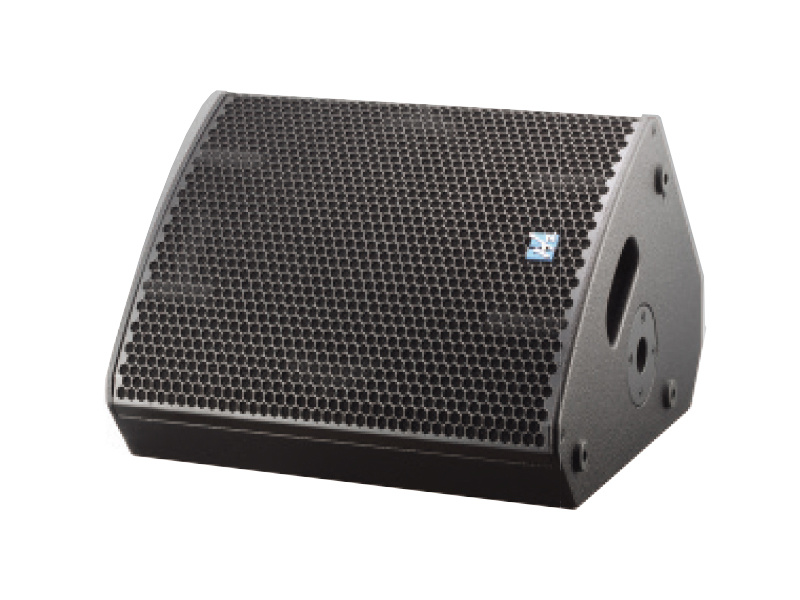
The shape and size of stage monitor speakers play a significant role in their effectiveness. **Wedge-shaped monitors** are the most common, allowing performers to position them at an angle for optimal listening. However, some engineers might prefer low-profile designs that can be placed discreetly on stage, minimizing obstruction for the audience.
4.4 Durability and Build Quality
Live performances can be tough on equipment. Sound engineers look for stage monitors built with rugged materials that can withstand the rigors of touring and repeated setup and teardown. A sturdy cabinet, reinforced with protective grills, can significantly extend the lifespan of a speaker, making it a wise investment for busy sound professionals.
5. Popular Stage Monitor Brands and Their Offerings
Several brands dominate the stage monitor market, known for their reliability, quality, and innovation. Brands such as **Yamaha, QSC, EAW, and JBL** consistently receive high praise from sound engineers.
Yamaha's **DXR series** is known for its exceptional sound quality and power handling capabilities. QSC's **K Series** offers a lightweight, portable solution without sacrificing audio fidelity. EAW monitors are favored for their advanced technology, while JBL delivers robust sound solutions across various performance settings.
6. Case Studies: Preferences in Action
Examining real-world scenarios highlights the preferences sound engineers have when it comes to stage monitors. For example, during a recent international tour by a popular rock band, the sound engineer opted for **Yamaha’s DXR15** monitors due to their versatility and superior sound quality that resonated well with the band’s dynamic performance style.
Another case involved a jazz ensemble that required more nuanced sound reproduction. The sound engineer chose **JBL’s PRX Series** for their ability to handle vocal harmonies and intricate instrumentals without distortion, ensuring the audience enjoyed a pristine audio experience.
7. Emerging Trends in Stage Monitor Technology
As technology advances, so do stage monitor designs. Recently, we’ve seen a surge in **active monitors** that incorporate built-in amplifiers, offering sound engineers greater control over the audio output. Additionally, wireless technology enables performers to move freely without being tethered to their monitors, enhancing the overall live experience.
Furthermore, digital signal processing (DSP) has revolutionized stage monitors, allowing sound engineers to fine-tune audio settings in real-time, adapting to the unique acoustics of each venue.
8. Conclusion: Making the Right Choice for Sound Performance
Sound engineers play a pivotal role in the success of live performances, and their choice of stage monitor speakers significantly impacts the sound quality experienced by both performers and audiences. By understanding the critical features and emerging trends in stage monitor technology, professionals can make informed decisions that enhance the overall audio experience.
Choosing the right stage monitor speakers is about balancing audio fidelity, power handling, durability, and form factor. As technology continues to evolve, sound engineers will remain at the forefront, ensuring every live performance delivers the best possible sound.
9. FAQs about Stage Monitor Speakers
1. What are stage monitor speakers used for?
Stage monitor speakers are designed to allow performers to hear themselves and the rest of the band during live performances, helping to maintain timing and pitch.
2. How do I choose the right stage monitor speakers?
When selecting stage monitor speakers, consider factors such as audio quality, power handling, shape and size, and durability. Testing speakers in various environments can also help determine the best fit for your needs.
3. What is the difference between passive and active monitors?
Passive monitors require an external amplifier to function, while active monitors have built-in amplifiers, making them easier to set up and use in live settings.
4. Are wireless stage monitors worth it?
Wireless stage monitors offer increased mobility for performers, allowing them to move freely on stage without being tethered to cables. This can enhance the overall performance experience.
5. How often should stage monitor speakers be replaced?
The lifespan of stage monitor speakers can vary based on usage and care. Generally, if speakers show signs of wear, distortion, or decreased sound quality, it may be time to consider replacement. Regular inspections and maintenance can prolong their lifespan.

CONTACT
Hzaudio Office Address: 16 st joins ave, mont Albert, Vic 3127, Australia
Hzaudio Lab Address: No. 455, Fuyi Road, Dalong Street, Panyu District, Guangzhou, China
Tel: +86 20-34882578 Cell:+86 18620144731
E-mail: sale@hzaudio.com
Follow Us On Wechat!