

The Impact of Speaker Placement on Live Sound Quality: Unlocking the Secrets to Superior Audio Performance
The Impact of Speaker Placement on Live Sound Quality Table of Contents Understanding Sound Propagation The Importance of Speaker Placement Types of Speakers and Their Ideal Placement Acoustic Principles in Speaker Placement Common Mistakes in Speaker Placement How to Optimize Speaker Placement for Live Events Testing and Evaluating Sound Quality Frequently Asked Questions Unders
Jun 17,2026
The Impact of Speaker Placement on Live Sound Quality
Table of Contents
- Understanding Sound Propagation
- The Importance of Speaker Placement
- Types of Speakers and Their Ideal Placement
- Acoustic Principles in Speaker Placement
- Common Mistakes in Speaker Placement
- How to Optimize Speaker Placement for Live Events
- Testing and Evaluating Sound Quality
- Frequently Asked Questions
Understanding Sound Propagation
Sound is a mechanical wave that travels through air, water, and solid materials. Understanding how sound propagates is essential for achieving superior audio quality. When a speaker produces sound, it generates vibrations that move through the air, creating pressure waves. These waves behave differently depending on various factors, including frequency, distance, and environmental conditions.
To achieve optimal sound quality, it is crucial to consider the **frequency response** of the speakers, as different frequencies propagate differently. For instance, low-frequency sounds tend to travel further and can be affected by obstacles, while high-frequency sounds may dissipate quickly.
By comprehending the nuances of sound propagation, sound engineers can strategically position speakers to enhance clarity, balance, and overall sound quality in live performances.
The Importance of Speaker Placement
Speaker placement is one of the most pivotal factors influencing the quality of live sound. Poor placement can result in uneven sound distribution, dead spots, or even feedback issues. Proper speaker placement ensures that sound waves reach the audience uniformly, creating an immersive experience.
Additionally, strategically placing speakers can help mitigate issues related to room acoustics. Every venue has its unique characteristics, and understanding how to adapt speaker placement to fit those characteristics can significantly enhance the auditory experience.
Effective speaker placement can also improve audience engagement. When sound reaches every corner of the venue evenly, the audience is more likely to feel connected to the performance, leading to higher satisfaction levels.
Types of Speakers and Their Ideal Placement
Different types of speakers have distinct characteristics that influence how and where they should be placed. Understanding these nuances is vital for achieving the best possible sound quality.
1. Full-Range Speakers
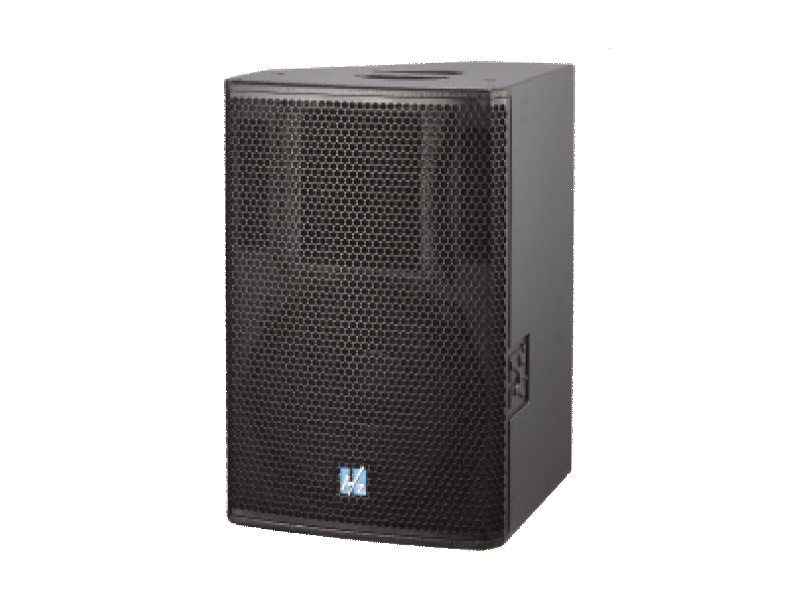
Full-range speakers are designed to reproduce a wide range of frequencies. They are typically used in a variety of settings, from small venues to large auditoriums. The ideal placement for full-range speakers is usually at ear level of the audience, angled towards the center of the venue. This position ensures that sound waves travel directly to the listeners, minimizing reflections and improving clarity.
2. Subwoofers
Subwoofers handle low-frequency sounds, providing depth and power to the audio mix. Their placement is crucial, as low frequencies can be omnidirectional. For optimal performance, subwoofers should be placed in corners or near walls to utilize boundary gain, which enhances lower frequencies and creates a fuller sound.
3. Monitor Speakers
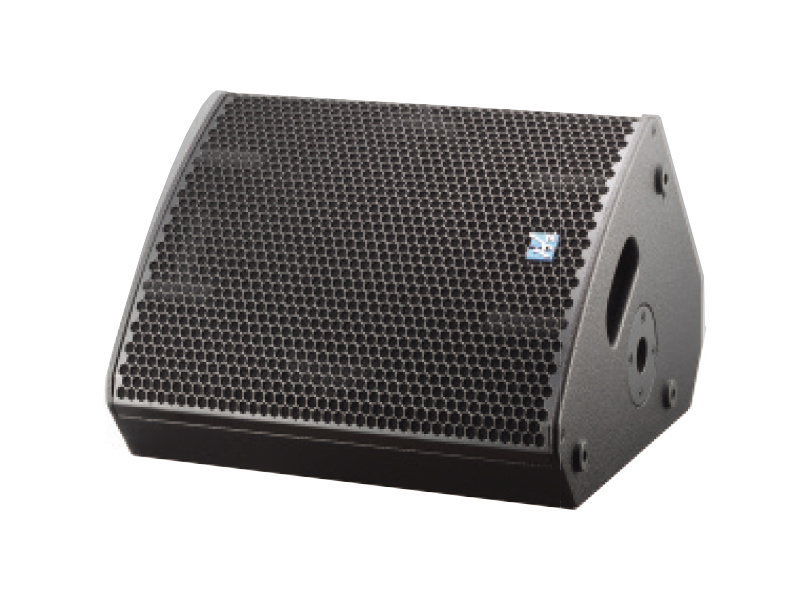
Monitor speakers are intended for performers on stage, allowing them to hear themselves and each other clearly. These speakers should be angled towards the performers and positioned on the floor or elevated stands, ensuring that sound reaches them without interference from other sound sources.
4. Line Array Systems
Line array systems consist of multiple speakers aligned in a vertical column, designed to provide even sound coverage over large areas. Proper placement involves hanging the array from a rigging point, ensuring that the system is aimed at the audience while minimizing reflections from the venue's walls and ceiling.
Acoustic Principles in Speaker Placement
To optimize speaker placement, it is essential to understand several acoustic principles that impact sound quality in live settings.
1. Reflection and Refraction
Sound waves reflect off surfaces, influencing how the audience perceives the sound. When placing speakers, consider the reflective surfaces in the venue, such as walls and ceilings. Avoid placing speakers in locations where sound will bounce off reflective surfaces directly back to the audience, as this can lead to phase issues and muddied sound.
2. Diffusion
Diffusion refers to the scattering of sound waves, which helps create a more balanced audio experience. Using diffusive materials in the venue, such as acoustic panels or bass traps, can enhance sound quality. When placing speakers, aim to create a diffusive sound field to reduce harsh reflections and improve clarity.
3. Direct vs. Ambient Sound
Direct sound arrives at the listener's ears from the speakers, while ambient sound is the reflected sound that reaches the listener later. The balance between these two types of sound is crucial for achieving high-quality audio. Place speakers to maximize direct sound while minimizing unwanted ambient reflections.
Common Mistakes in Speaker Placement
Even experienced sound engineers can make mistakes in speaker placement that negatively impact sound quality. Here are some common pitfalls to avoid:
1. Ignoring Room Acoustics
Failing to take into account the venue's acoustics can lead to subpar sound quality. Always analyze the room before setting up speakers, and adjust their positions to accommodate the unique characteristics of the space.
2. Improper Speaker Height
Placing speakers too high or too low can result in uneven sound distribution. Ensure that speakers are positioned at ear level for the audience, allowing for optimal clarity and engagement.
3. Incorrect Angling of Speakers
Speakers should be angled correctly to ensure that sound waves reach the audience without unnecessary reflections. Aiming speakers directly at the audience will help maintain clarity and balance.
4. Overlooking Feedback Issues
When placing speakers, pay attention to potential feedback loops. Ensure that monitor speakers are positioned to minimize the risk of feedback, allowing performers to hear themselves without interference.
How to Optimize Speaker Placement for Live Events
Optimizing speaker placement requires careful planning and testing. Follow these steps to achieve the best possible sound quality:
1. Conduct a Site Visit
Before the event, conduct a site visit to assess the venue's acoustics and layout. Take notes on potential challenges, such as reflective surfaces or obstacles that may interfere with sound propagation.
2. Create a Speaker Setup Plan
Based on your observations, create a detailed plan for speaker placement. Consider factors such as speaker type, desired coverage area, and audience layout.
3. Set Up Speakers and Test Sound Quality
Once on-site, set up the speakers according to your plan. Conduct sound tests to evaluate the audio quality, making adjustments as necessary to optimize placement.
4. Use Measurement Tools
Utilize measurement tools such as real-time analyzers or smartphones with audio analysis apps to assess sound quality in different areas of the venue. This data will help you fine-tune speaker placement for maximum effectiveness.
5. Gather Feedback from Performers and Audience
After setting up, gather feedback from performers and audience members regarding sound quality. This information can provide valuable insights for further adjustments and improvements.
Testing and Evaluating Sound Quality
After optimizing speaker placement, it is essential to evaluate the sound quality through objective and subjective methods.
1. Objective Testing
Conduct frequency response tests using measurement microphones and audio analysis software. This will help you identify any issues with frequency balance and overall sound quality.
2. Subjective Listening Tests
Invite several individuals to listen to the sound from various locations in the venue. Ask for their impressions regarding clarity, balance, and overall sound quality. This feedback will help you gauge the effectiveness of your speaker placement.
Frequently Asked Questions
1. How does speaker placement affect sound quality?
Proper speaker placement ensures even sound distribution, minimizes reflections, and enhances clarity, resulting in a better auditory experience for the audience.
2. What is the best height for placing speakers?
Speakers should be positioned at ear level for the audience to achieve optimal clarity and engagement.
3. Why is it important to consider room acoustics?
Room acoustics influence how sound propagates, so understanding the venue's characteristics can help you adjust speaker placement for better sound quality.
4. How can I test sound quality after placing speakers?
Conduct both objective testing with measurement tools and subjective listening tests to evaluate and fine-tune sound quality.
5. What are some common mistakes to avoid in speaker placement?
Common mistakes include ignoring room acoustics, improper speaker height, incorrect angling, and overlooking feedback issues.
Conclusion
In conclusion, the impact of speaker placement on live sound quality cannot be overstated. By understanding the principles of sound propagation, considering room acoustics, and strategically positioning different types of speakers, event organizers and sound engineers can greatly enhance audio experiences. Avoiding common mistakes and continuously testing and optimizing speaker placement will ensure that audiences receive the best possible sound quality during live events. Unlock the full potential of your audio setup, and create unforgettable experiences for your audience by mastering the art of speaker placement.

CONTACT
Hzaudio Office Address: 16 st joins ave, mont Albert, Vic 3127, Australia
Hzaudio Lab Address: No. 455, Fuyi Road, Dalong Street, Panyu District, Guangzhou, China
Tel: +86 20-34882578 Cell:+86 18620144731
E-mail: sale@hzaudio.com
Follow Us On Wechat!