

The Best Live Sound Speakers for Theatrical Productions: Elevate Your Performance
The Best Live Sound Speakers for Theatrical Productions The magic of theater often hinges on sound quality. Whether it’s the delicate whisper of a character or the thunderous applause of an audience, live sound speakers play a crucial role in delivering a seamless auditory experience. In this guide, we will explore the best live sound speakers specifically designed for theatrical productions. From
Aug 04,2026
The Best Live Sound Speakers for Theatrical Productions
The magic of theater often hinges on sound quality. Whether it’s the delicate whisper of a character or the thunderous applause of an audience, live sound speakers play a crucial role in delivering a seamless auditory experience. In this guide, we will explore the best live sound speakers specifically designed for theatrical productions. From essential features to expert recommendations, we aim to equip you with the knowledge needed to make informed decisions.
Table of Contents
1. Why Sound Matters in Theater Productions
2. Key Features to Consider for Live Sound Speakers
3. Top Brand Recommendations for Theatrical Speakers
4. Active vs. Passive Speakers: Which is Better?
5. Best Live Sound Speakers for Theatrical Productions
6. Setting Up Your Sound System for Optimal Performance
7. Maintenance and Care for Your Sound Equipment
8. Frequently Asked Questions
9. Conclusion
Why Sound Matters in Theater Productions
Sound is the backbone of any theatrical performance. It not only conveys dialogue but also sets the emotional tone and atmosphere. The right live sound speakers can significantly enhance the clarity and richness of sound, enabling the audience to immerse themselves fully in the performance. Poor sound quality can lead to misunderstandings, loss of impact, and ultimately, audience disengagement. Therefore, investing in high-quality speakers is essential for delivering a memorable theater experience.
Key Features to Consider for Live Sound Speakers
When selecting live sound speakers for theatrical productions, consider the following key features:
1. Frequency Response
A wider frequency response range allows speakers to produce both deep bass and crisp treble. Look for speakers with a frequency range that covers at least 20Hz to 20kHz.
2. Power Handling
Power handling capacity, measured in watts, indicates how much power a speaker can handle without distortion. This is crucial for maintaining sound quality during loud performances.
3. Sensitivity Rating
Sensitivity measures how efficiently a speaker converts power into sound. A higher sensitivity rating means that speakers can produce higher volumes with less power.
4. Portability
Theater productions often require the setup and dismantling of equipment. Opt for lightweight, portable speakers that are easy to transport.
5. Durability
Speakers should be robust enough to withstand the rigors of on-stage use. Look for models constructed from high-quality materials that can endure frequent transport and setup.
Top Brand Recommendations for Theatrical Speakers
Choosing the right brand can significantly influence your sound experience. Here are some of the top brands known for their exceptional live sound speakers:
1. JBL
JBL is a leading brand in pro audio equipment, renowned for its powerful sound systems suitable for theater productions. Their speakers deliver clear, dynamic sound and come highly recommended for live performances.
2. QSC
QSC speakers are known for their innovative technology and robust performance. Their line of active speakers is particularly favored for theater applications due to their clarity and reliability.
3. Yamaha
Yamaha offers a range of live sound speakers that deliver high-quality audio with advanced features. Their speakers are popular for both small and large theater productions.
4. Mackie
Mackie's portable speakers are ideal for theater setups that require mobility. They combine power, clarity, and ease of use, making them a great choice for theatrical applications.
Active vs. Passive Speakers: Which is Better?
Understanding the difference between active and passive speakers is vital for making the right choice for your theater.
Active Speakers
Active speakers come with built-in amplifiers, making them convenient for quick setups. They typically offer better sound quality and are easier to manage, especially in live settings.
Passive Speakers
Passive speakers require an external amplifier to function. While they may provide more flexibility in terms of sound configuration, they can complicate setups and require more equipment.
For theatrical productions, active speakers are often recommended due to their simplicity and superior performance.
Best Live Sound Speakers for Theatrical Productions
Based on our research and expert recommendations, here are some of the best live sound speakers currently available for theatrical productions:
1. JBL EON615
The JBL EON615 is a powerful 15-inch active speaker known for its excellent sound quality and portability. With a peak power of 1000 watts, it delivers clear sound across various frequencies, making it ideal for theater applications.
2. QSC K12.2
The QSC K12.2 offers unmatched sound clarity and versatility. With a built-in DSP, this active speaker can be easily adjusted to suit different performance environments, ensuring optimal sound quality every time.
3. Yamaha DXR15
The Yamaha DXR15 is a robust and reliable speaker that features a 15-inch woofer and a powerful amplifier. Its high SPL and wide frequency range make it suitable for dynamic theatrical performances.
4. Mackie Thump12A
The Mackie Thump12A is known for its affordability and performance. This lightweight speaker is easy to transport while still delivering impressive sound quality, making it a favorite for smaller productions.
Setting Up Your Sound System for Optimal Performance
Proper setup is crucial to achieving the best sound for your theatrical production. Follow these steps for an effective sound system configuration:
1. Positioning Speakers
Place speakers at ear level and angle them towards the audience. This positioning helps ensure that sound reaches all areas without distortion.
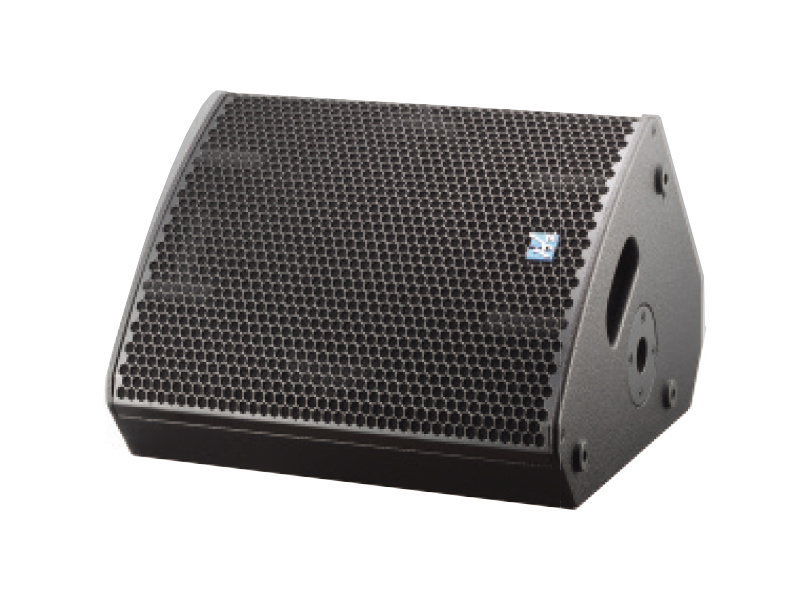
2. Use of Monitors
Incorporate stage monitors to allow performers to hear themselves and each other. This is essential for maintaining timing and pitch during performances.
3. Testing and Adjusting
Conduct thorough sound checks before the performance. Test the system with the actual dialogue and music that will be used to make necessary adjustments.
Maintenance and Care for Your Sound Equipment
Taking care of your live sound speakers will prolong their lifespan and maintain their performance. Here are some tips for proper maintenance:
1. Regular Cleaning
Keep your speakers clean and free from dust and debris. Use a soft cloth and avoid harsh chemicals that could damage the finish.
2. Proper Storage
Store speakers in a dry, cool place when not in use. Use protective cases to prevent damage during transport.
3. Routine Checks
Regularly inspect your equipment for any signs of wear or damage. Addressing issues promptly will prevent larger problems down the road.
Frequently Asked Questions
1. What is the ideal wattage for live sound speakers in theater productions?
The ideal wattage depends on the size of the venue. For smaller theaters, speakers with a power rating of 500-800 watts are typically sufficient, while larger venues may require speakers with 1000 watts or more.
2. How do I know if I need active or passive speakers for my production?
If you prefer a simpler setup and less equipment, active speakers are recommended. If you have a more complex sound system and need flexibility, passive speakers may be better.
3. How often should I perform maintenance on my sound equipment?
It is advisable to check and clean your equipment regularly, ideally after each use, and conduct more thorough inspections periodically to catch any potential issues.
4. Can I use the same speakers for both theater and music events?
Yes, many speakers are versatile and can be used for both theater and music events. Look for speakers that offer a wide frequency response and excellent clarity.
5. What should I consider when choosing the number of speakers for my production?
Consider the size of the venue, the type of performance, and the seating arrangement. A larger venue might require more speakers for even sound distribution.
Conclusion
Selecting the right live sound speakers for theatrical productions is a critical decision that can significantly impact the audience's experience. By understanding the key features, exploring top brands, and following best practices for setup and maintenance, you can ensure that your production resonates with clarity and professionalism. Investing in quality sound equipment not only enhances performances but also establishes a reputation for excellence in your theater productions.

CONTACT
Hzaudio Office Address: 16 st joins ave, mont Albert, Vic 3127, Australia
Hzaudio Lab Address: No. 455, Fuyi Road, Dalong Street, Panyu District, Guangzhou, China
Tel: +86 20-34882578 Cell:+86 18620144731
E-mail: sale@hzaudio.com
Follow Us On Wechat!