

The Essential Guide to Passive PA Speakers: Unleashing Sound Quality for Your Events
When it comes to selecting audio equipment for events, understanding the role of passive PA speakers is crucial. Unlike their active counterparts, passive PA speakers do not have built-in amplifiers, making them a versatile choice for audio professionals and enthusiasts alike. In this guide, we will explore the fundamental aspects of passive PA speakers, highlighting their advantages and providing
Aug 17,2026
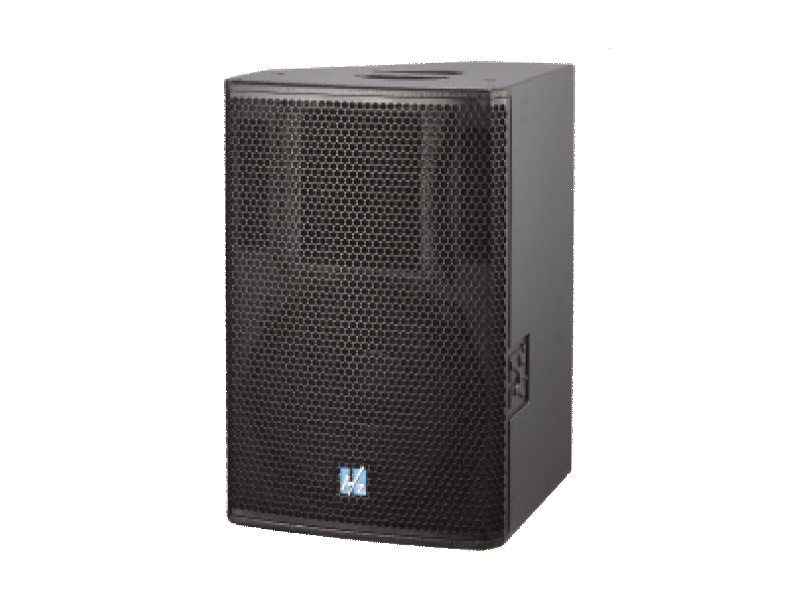
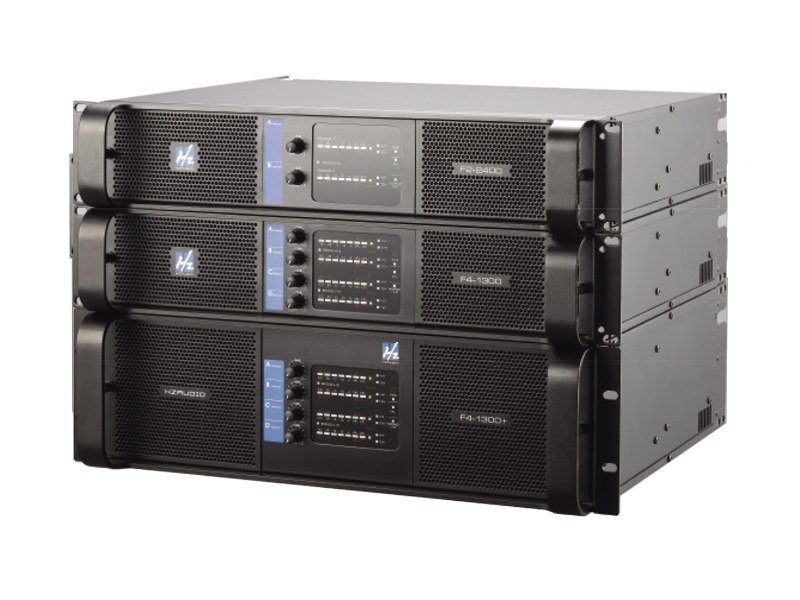
Passive PA speakers are designed to be powered by an external amplifier, which allows for greater flexibility in sound reinforcement setups. By decoupling the amplifier from the speaker, users can select amplifiers that best suit their specific needs, resulting in improved sound quality and performance. This approach can be particularly beneficial for those looking to customize their audio experience, as it opens up a wider range of amplifier choices tailored to various venues and audience sizes.
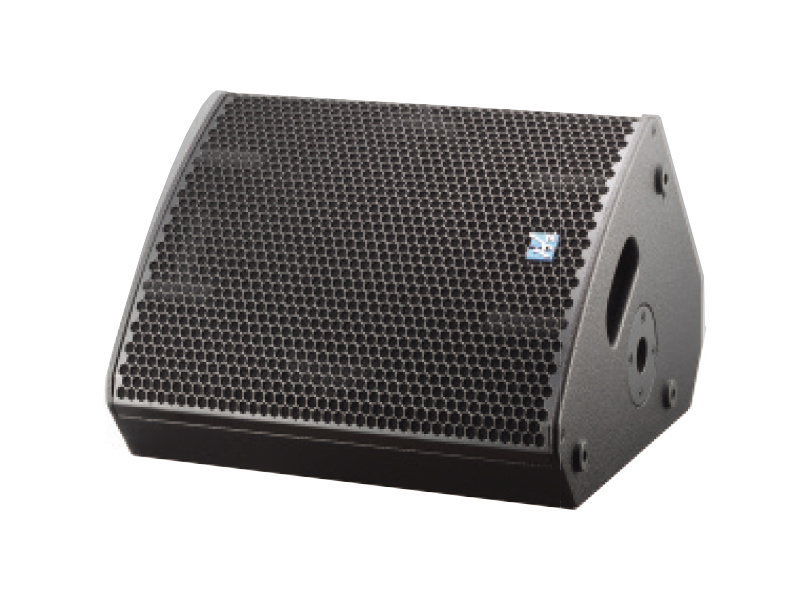
One of the standout features of passive PA speakers is their ability to deliver high sound quality with less distortion, especially at higher volumes. This characteristic makes them an excellent choice for live performances, public speaking events, and even home audio setups. Additionally, passive speakers often come in various configurations, including full-range and subwoofer options, allowing users to create a comprehensive sound system that caters to their unique requirements.
When incorporating passive PA speakers into your audio setup, consider the following tips to maximize their potential:
1. **Choose the Right Amplifier**: The amplifier's power rating should match or slightly exceed the speaker's handling capacity. This ensures that the speaker performs optimally without the risk of damage due to overpowering.
2. **Utilize Quality Cables**: Investing in quality speaker cables is essential for maintaining signal integrity. Poor-quality cables can lead to significant losses in sound quality, negating the benefits of high-performance passive PA speakers.
3. **Positioning is Key**: Proper placement of passive speakers can greatly affect sound dispersion and clarity. Experiment with positioning to find the optimal setup that allows sound to reach all areas of the venue effectively.
4. **Consider Impedance Matching**: Ensure that the impedance of the passive speakers matches that of the amplifier to avoid any performance issues. This will help in achieving the best possible sound output without compromising system efficiency.
5. **Regular Maintenance**: Like any audio equipment, passive PA speakers require routine checks and maintenance. Keep them clean and inspect for any signs of wear or damage to prolong their lifespan and maintain sound quality.
In conclusion, passive PA speakers can be a powerful tool in delivering exceptional audio experiences. By understanding their features and following best practices, users can harness their full potential, creating immersive sound environments for any occasion. Whether you are a professional sound engineer or an audio enthusiast, investing time in learning about passive PA speakers will undoubtedly enhance your audio endeavors.

CONTACT
Hzaudio Office Address: 16 st joins ave, mont Albert, Vic 3127, Australia
Hzaudio Lab Address: No. 455, Fuyi Road, Dalong Street, Panyu District, Guangzhou, China
Tel: +86 20-34882578 Cell:+86 18620144731
E-mail: sale@hzaudio.com
Follow Us On Wechat!