

The Importance of Live Sound Speakers in Creating Engaging Experiences
The Importance of Live Sound Speakers in Creating Engaging Experiences Introduction: The Role of Sound in Live Events In the world of live events, sound can make or break the experience. Whether it's a concert, a corporate gathering, or a community festival, high-quality audio is essential for capturing the audience's attention and creating an immersive atmosphere. Live sound speakers are the
Aug 20,2026
The Importance of Live Sound Speakers in Creating Engaging Experiences
Introduction: The Role of Sound in Live Events
In the world of live events, sound can make or break the experience. Whether it's a concert, a corporate gathering, or a community festival, high-quality audio is essential for capturing the audience's attention and creating an immersive atmosphere. Live sound speakers are the backbone of this auditory experience, delivering the clarity and power needed to engage listeners. In this article, we will delve into the significance of live sound speakers, exploring their technology, selection criteria, and their transformative impact on various events.
Understanding Live Sound: The Basics
What is Live Sound?
Live sound refers to audio generated during a live performance or event, using microphones, mixers, and speakers to ensure that every note and word reaches the audience with clarity. It encompasses various components, including amplification, mixing, and sound reinforcement, all working together to create an engaging auditory experience.
The Components of a Live Sound System
A complete live sound system typically includes the following components:
- **Microphones:** Capture audio from performers and instruments.
- **Mixers:** Control audio levels and effects, allowing sound engineers to balance different sound sources.
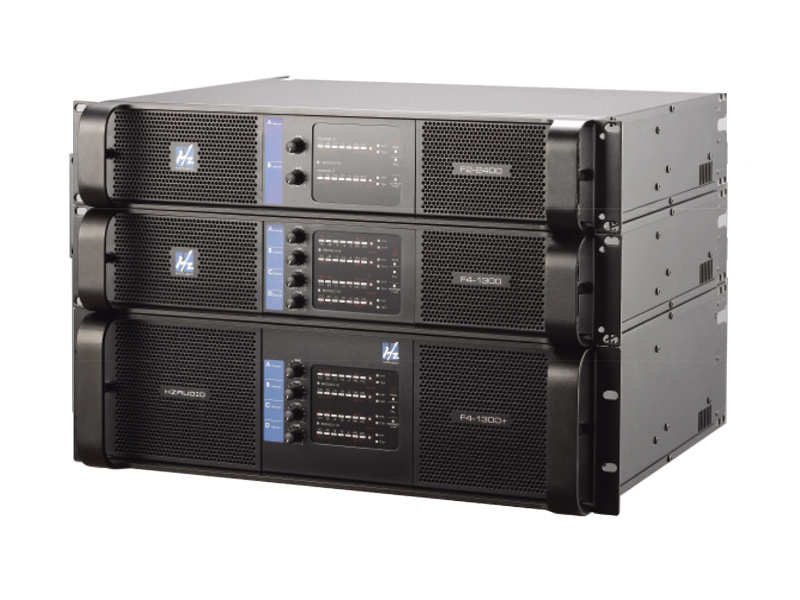
- **Amplifiers:** Boost the audio signal to drive the speakers effectively.
- **Speakers:** Deliver the final sound to the audience, encompassing various types such as mains, monitors, and subwoofers.
Each component plays a vital role in ensuring a seamless audio experience.
Why Quality Sound Matters
The Psychological Impact of Sound on Audiences
Sound has a profound effect on human emotions. Quality audio can evoke feelings of excitement, nostalgia, and even introspection. In a live setting, clear and powerful sound helps to build a connection between the performers and the audience, enhancing enjoyment and engagement. Conversely, poor sound quality can lead to frustration and disengagement, detracting from the overall experience.
The Technical Aspects of Sound Quality
Several technical factors contribute to sound quality, including frequency response, distortion, and dynamic range.
- **Frequency Response:** Refers to the range of frequencies that a speaker can reproduce accurately. A broader frequency range allows for more nuanced sound reproduction.
- **Distortion:** The less distortion a speaker produces, the clearer the sound. High-quality speakers minimize distortion, providing an authentic listening experience.
- **Dynamic Range:** This indicates the difference between the softest and loudest sounds a speaker can produce. A wide dynamic range allows for a more expressive performance.
Choosing the Right Live Sound Speakers
Assessing Your Event's Requirements
The choice of speakers largely depends on the nature of the event. Factors such as venue size, audience capacity, and the type of performance will dictate your speaker selection. For instance, larger venues may require more powerful mains and subwoofers, while smaller events could be adequately served with compact, portable speakers.
Types of Live Sound Speakers
Understanding the different types of live sound speakers is crucial for making an informed decision:
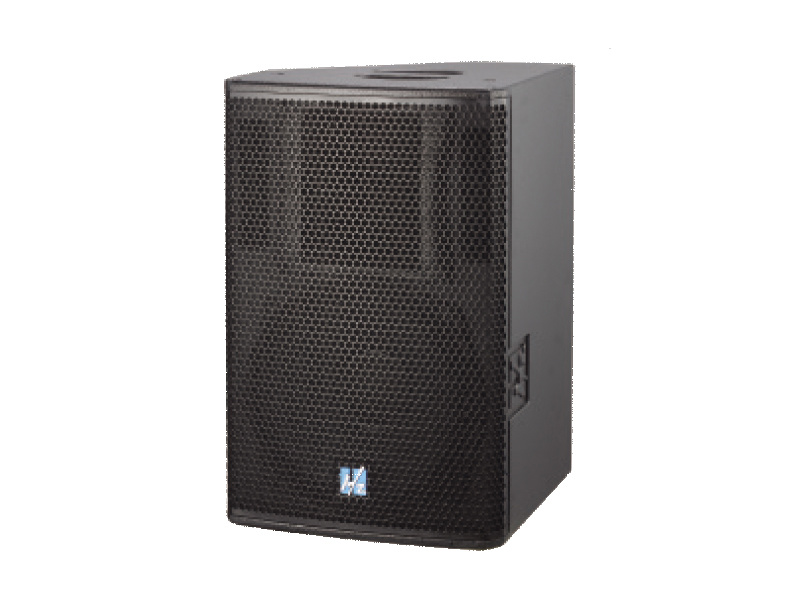
- **Main Speakers:** Typically used to deliver sound to the entire audience. They can be passive or active, with active speakers containing built-in amplifiers.
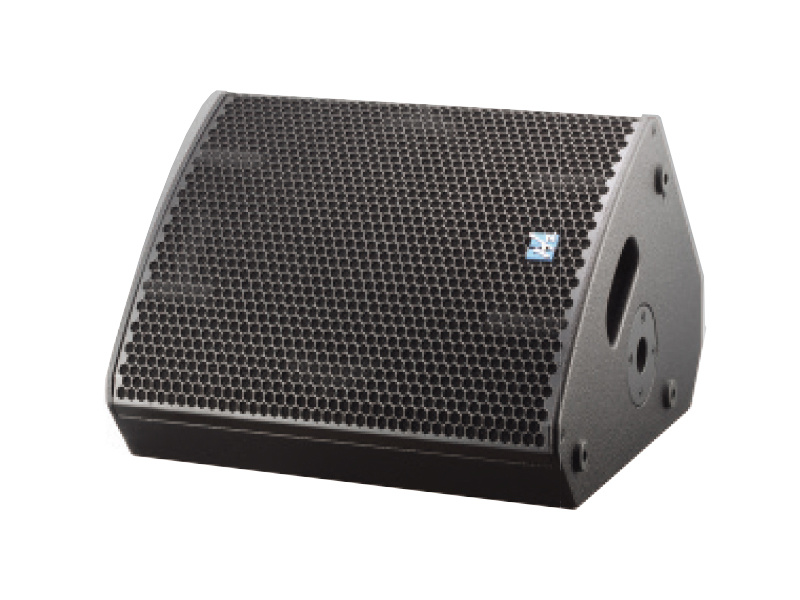
- **Monitors:** Positioned on stage to allow performers to hear themselves and each other. They are essential for maintaining musical cohesion during a performance.
- **Subwoofers:** Specialized speakers designed to reproduce low-frequency sounds, creating a more powerful and immersive listening experience.
Key Features to Consider When Selecting Speakers
When selecting live sound speakers, keep in mind the following features:
- **Portability:** If your events require frequent relocation, lightweight and easily transportable speakers will be beneficial.
- **Power Rating:** Measured in watts, a higher power rating typically results in louder sound. Ensure that the speakers can handle the venue's requirements without distortion.
- **Connectivity Options:** Look for versatile connectivity options to accommodate various audio sources, including Bluetooth, XLR, and RCA inputs.
The Impact of Live Sound Speakers on Audience Engagement
Creating an Immersive Experience
Quality live sound speakers contribute to immersive experiences by enveloping the audience in rich, detailed sound. This can enhance performances and create a sense of connection between the audience and the performers. Engaging your audience through sound can lead to emotional responses, drawing them into the moment.
The Relationship Between Sound Quality and Audience Retention
Good sound quality significantly affects how long an audience remains engaged. Research shows that attendees are more likely to stay longer and enjoy an event when they have a positive auditory experience. This retention is crucial for events like concerts and conferences, where prolonged engagement is vital for success.
Enhancing Live Sound Experiences with Technology
The Role of Digital Mixing Consoles
Digital mixing consoles have revolutionized live sound by providing unprecedented control over audio. These consoles offer features such as effects processing, real-time monitoring, and customizable presets, allowing sound engineers to adapt quickly to changing needs during a performance.
Wireless Technology and Its Advantages
Wireless microphones and speakers eliminate the need for cumbersome cables, enhancing mobility for performers and sound engineers. This technology allows for greater flexibility and creativity in staging, resulting in more dynamic performances.
Case Studies: Successful Events Leveraging Quality Sound
Concerts and Festivals
Major concerts and music festivals are prime examples of how quality live sound speakers can elevate the experience. Events like Coachella and Glastonbury utilize state-of-the-art sound systems to ensure every performer is heard clearly, creating an unforgettable atmosphere for attendees.
Corporate Events and Conferences
In corporate settings, high-quality sound systems are essential for presentations and speeches. Clear audio can enhance comprehension and keep audiences engaged, leading to more successful networking and information retention.
Best Practices for Setting Up Live Sound Equipment
Pre-Event Preparation and Sound Checks
Before any event, conducting thorough sound checks is crucial. This process allows engineers to identify potential issues and ensure that every speaker is positioned correctly for optimal sound dispersion.
Adjusting for Venue Acoustics
Every venue has unique acoustic characteristics that can affect sound quality. Adjusting speaker placement and settings according to the venue's acoustics can greatly enhance the listening experience, ensuring uniform sound distribution throughout the space.
FAQs About Live Sound Speakers
1. What are the best types of speakers for outdoor events?
For outdoor events, look for weather-resistant speakers with high power ratings and wide dispersion patterns to ensure sound reaches every corner of the audience area.
2. How do I know how many speakers to use for my event?
The number of speakers required depends on the venue size, audience capacity, and the type of performance. A sound engineer can help determine the appropriate setup based on these factors.
3. Can I use home speakers for live events?
Home speakers are not designed for the rigors of live sound events. It's advisable to use professional-grade equipment that can handle the demands of live performances.
4. How often should I replace my live sound speakers?
The lifespan of live sound speakers varies based on usage and maintenance. Regularly inspect your equipment for wear and tear, and consider replacing speakers every 5-10 years or when performance degrades.
5. What should I look for in a sound engineer?
When hiring a sound engineer, seek someone with experience in live sound, a good understanding of acoustics, and the ability to adapt quickly to changing situations during events.
Conclusion: The Transformative Power of Live Sound Speakers
In conclusion, live sound speakers are indispensable in crafting engaging experiences that resonate with audiences. Their impact on sound quality, emotional engagement, and overall event success cannot be overstated. By understanding the various components and selecting the right equipment, event organizers can create unforgettable moments that leave lasting impressions. Investing in quality sound systems not only enhances the auditory experience but also fosters a deeper connection between performers and audiences, reinforcing the importance of sound in live events.

CONTACT
Hzaudio Office Address: 16 st joins ave, mont Albert, Vic 3127, Australia
Hzaudio Lab Address: No. 455, Fuyi Road, Dalong Street, Panyu District, Guangzhou, China
Tel: +86 20-34882578 Cell:+86 18620144731
E-mail: sale@hzaudio.com
Follow Us On Wechat!