

The Essential Guide to Passive PA Speakers: Understanding Their Role in Professional Sound Systems
Passive PA speakers play a crucial role in the world of professional audio systems, particularly within the consumer electronics sector focusing on combination audio and sound equipment. Unlike their active counterparts, passive speakers do not have built-in amplification; instead, they require external amplifiers to drive sound. This distinction is vital for professionals looking to create tailor
Oct 12,2026
One of the primary advantages of passive PA speakers is their flexibility. Since they rely on external amplification, users can select amplifiers that match their specific audio needs and preferences. This flexibility allows for a more customized sound experience, making it easier to optimize audio quality for different environments, whether it's a small venue or a large auditorium.
Moreover, passive PA speakers typically offer a broader range of compatibility with various amplifiers and audio sources. This versatility is particularly useful for professional sound engineers who often work with different equipment across various events. They can choose amplifiers that not only provide the desired wattage but also complement the acoustic properties of the venue, ensuring optimal sound performance.
In terms of sound quality, passive PA speakers often provide a more natural sound reproduction compared to active speakers. With the right amplifier, passive speakers can deliver clearer highs and well-defined lows, which is essential for professional audio applications such as live music events, public speaking, and theatrical performances. The sound quality is paramount in these settings, and passive speakers can contribute significantly to achieving the desired audio fidelity.
When considering passive PA speakers, it's essential to pay attention to their specifications, including impedance, power handling, and sensitivity. These factors will influence how well the speakers perform in conjunction with your chosen amplifier. For instance, selecting speakers with a suitable impedance rating that matches your amplifier’s output is crucial to prevent potential damage and ensure efficient power transfer.
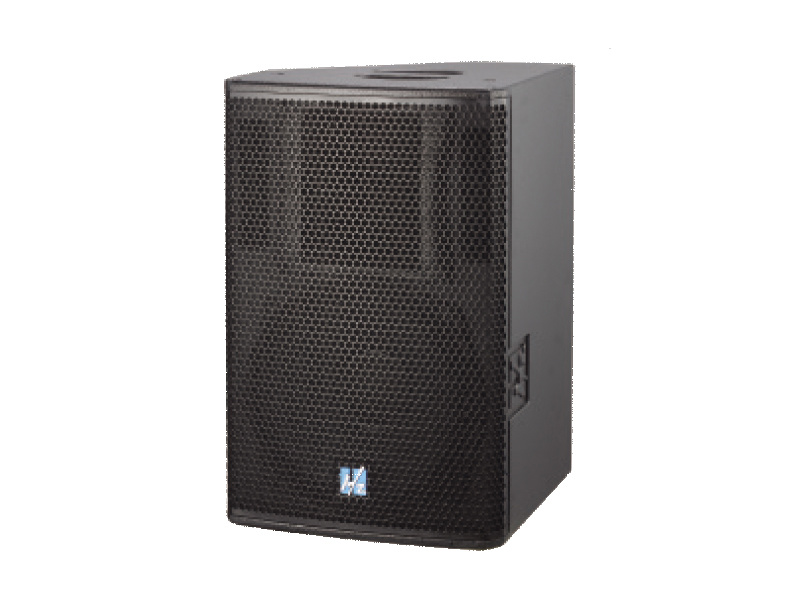
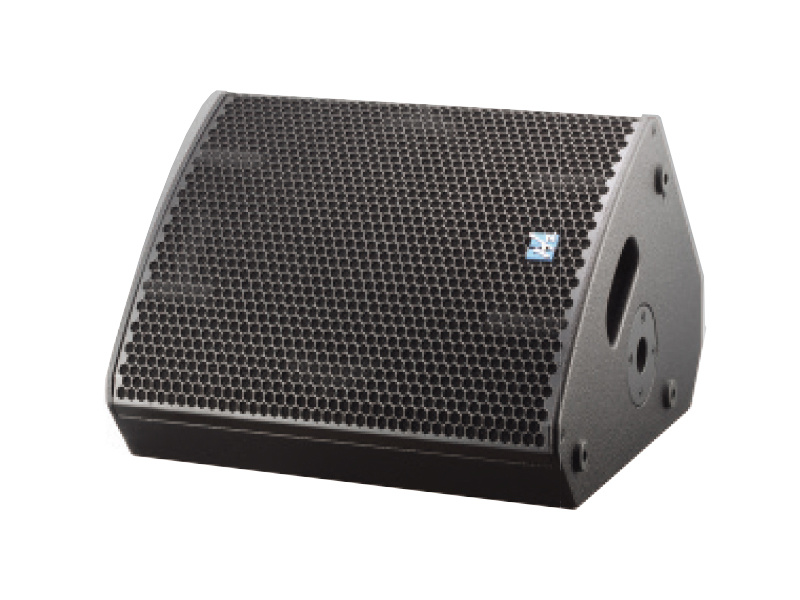
Additionally, the physical design of passive PA speakers can greatly affect their performance. Features such as cabinet construction and driver quality play a significant role in determining how sound is projected and dispersed. Professionals should consider these elements when selecting equipment for specific applications, ensuring that the speakers can withstand the demands of live performances and varying acoustic environments.
In conclusion, passive PA speakers are a vital component of professional audio systems, offering flexibility, enhanced sound quality, and compatibility with various amplifiers. By understanding their design and applications, audio professionals can make informed decisions that elevate their sound setups, ensuring effective and powerful audio experiences tailored to any audience. Understanding these aspects will not only enhance your knowledge but also improve the overall audio quality in any professional setting.

CONTACT
Hzaudio Office Address: 16 st joins ave, mont Albert, Vic 3127, Australia
Hzaudio Lab Address: No. 455, Fuyi Road, Dalong Street, Panyu District, Guangzhou, China
Tel: +86 20-34882578 Cell:+86 18620144731
E-mail: sale@hzaudio.com
Follow Us On Wechat!