

Audio Amplifier Compatible Speakers: High-Performance Sound Solutions for Professional, Home, and Commercial Audio Systems
Audio amplifier compatible speakers provide high power handling, clear sound quality, and reliable performance for various audio systems and setups.
Jun 25,2026
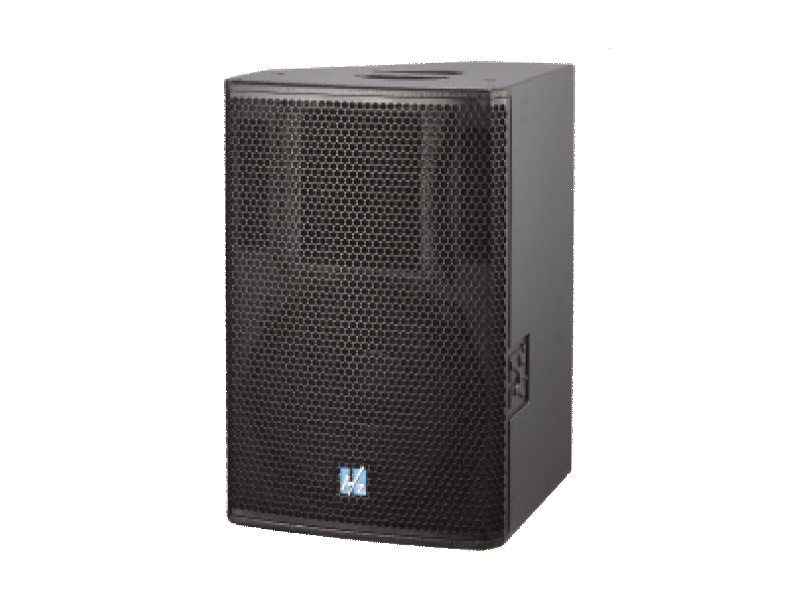
Audio amplifier compatible speakers are specially designed loudspeakers that work efficiently with external audio amplifiers to deliver powerful, clear, and high-fidelity sound reproduction. These speakers are widely used in home theater systems, professional recording studios, live concert setups, commercial audio installations, public address systems, and entertainment venues. Their primary function is to accurately convert amplified electrical signals into high-quality sound while maintaining clarity, balance, and minimal distortion.
Unlike basic consumer speakers, amplifier-compatible speakers are engineered to handle higher power levels and provide more precise sound control. They are an essential component in any high-performance audio system where sound quality, volume capacity, and reliability are critical.
Core Function and Working Principle
Audio amplifier compatible speakers operate by receiving amplified electrical signals from an external amplifier and converting them into acoustic energy through drivers such as woofers, tweeters, and midrange units.
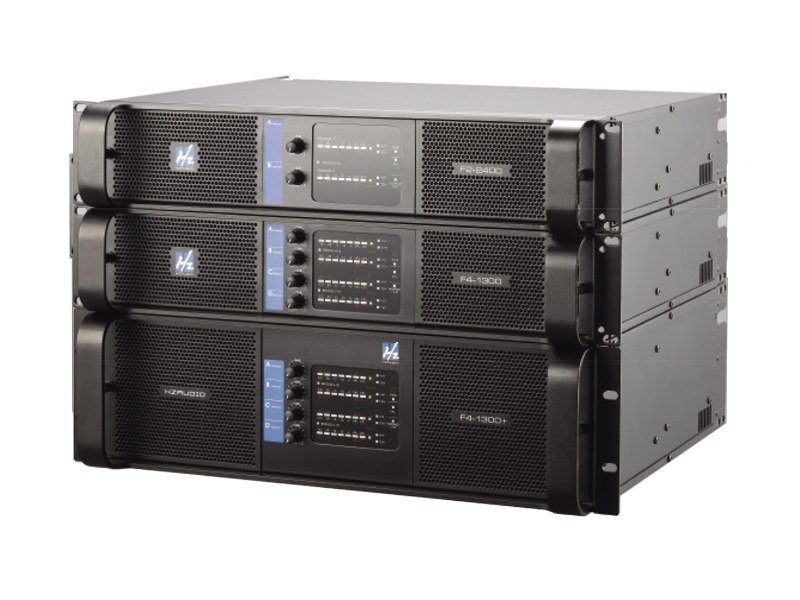
The amplifier increases the low-level audio signal to a higher power level, which allows the speakers to produce louder and clearer sound. The speaker’s internal components are designed to manage this power efficiently, ensuring that sound output remains distortion-free even at high volumes.
Proper matching between amplifier output power and speaker power handling capacity is essential for optimal performance and system safety.
Types of Audio Amplifier Compatible Speakers
There are several types of speakers designed for use with audio amplifiers:
- Passive Speakers
These require an external amplifier to function. They are widely used in professional and home audio systems due to their flexibility and scalability. - Active Speakers with External Input Support
Although active speakers have built-in amplifiers, some models can also connect to external amplifiers for enhanced performance. - Floor-Standing Speakers
Large speakers designed for high-power output and deep bass response, commonly used in home theaters and music systems. - Bookshelf Speakers
Compact speakers suitable for small to medium rooms, offering balanced sound quality. - PA (Public Address) Speakers
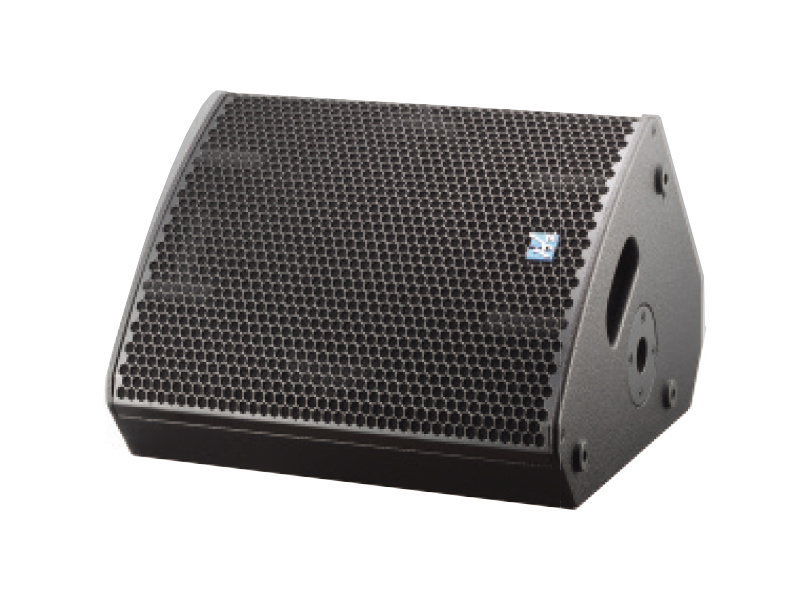
Designed for large venues such as schools, stadiums, and event halls, focusing on sound coverage and clarity. - Studio Monitor Speakers
High-precision speakers used in recording and production environments for accurate sound reproduction.
Key Features and Performance Advantages
Audio amplifier compatible speakers offer several important benefits:
- High Power Handling: Designed to manage strong amplifier output without damage
- Clear Sound Reproduction: Accurate audio across bass, midrange, and treble frequencies
- Low Distortion: Maintains sound clarity even at high volume levels
- Wide Frequency Response: Captures detailed sound across a broad audio spectrum
- Durable Construction: Built with strong materials for long-term reliability
- System Flexibility: Compatible with various amplifier types and configurations
These features make them suitable for both professional and personal audio applications.
Sound Quality and Acoustic Design
High-quality amplifier-compatible speakers are engineered with advanced acoustic design principles. This includes optimized cabinet structure, internal damping materials, and precision driver alignment.
Key sound characteristics include:
- Deep and controlled bass response
- Clear and natural midrange frequencies
- Crisp and detailed high-frequency output
- Balanced stereo imaging
Some advanced models also feature multi-driver configurations and crossover networks that separate frequencies for improved sound accuracy.
Materials and Build Quality
The performance of audio amplifier compatible speakers depends heavily on their construction materials. Common materials include:
- Wood (MDF or plywood): Provides natural acoustic resonance and reduces vibration
- Plastic composites: Lightweight and cost-effective for portable systems
- Metal reinforcements: Enhance durability and structural stability
- Fabric or metal grilles: Protect speaker drivers from physical damage
High-quality internal components such as copper voice coils, high-grade magnets, and reinforced cones improve overall performance and longevity.
Applications Across Industries
Audio amplifier compatible speakers are used in a wide range of environments:
- Home Audio Systems: Home theaters, living rooms, entertainment setups
- Professional Studios: Music recording, mixing, and production
- Live Events: Concerts, stage performances, and public events
- Commercial Spaces: Shopping malls, restaurants, hotels
- Educational Institutions: Classrooms, lecture halls, auditoriums
- Religious Venues: Churches, mosques, and community halls
Their versatility makes them suitable for virtually any sound reinforcement system.
Power Matching and System Optimization
One of the most important aspects of using amplifier-compatible speakers is proper power matching. The amplifier’s output power should align with the speaker’s rated power handling capacity to prevent damage and ensure optimal performance.
Incorrect matching can lead to:
- Speaker distortion
- Overheating and damage
- Reduced sound quality
- System instability
Proper impedance matching (commonly 4Ω, 6Ω, or 8Ω) is also critical for efficient operation.
Installation and Setup
Audio amplifier compatible speakers are relatively easy to install in both simple and complex systems. They typically use standard wiring connections such as speaker terminals or binding posts.
Proper placement is important for achieving optimal sound distribution. For example, stereo systems require balanced left-right positioning, while surround sound systems require strategic placement around the listening area.
Maintenance and Longevity
These speakers require minimal maintenance. Regular dust cleaning, checking cable connections, and avoiding overload conditions are usually sufficient to maintain performance.
High-quality models are designed for long-term use, often lasting many years with consistent sound quality when properly maintained.
Technological Advancements
Modern amplifier-compatible speakers incorporate advanced technologies such as:
- Digital signal processing (DSP)
- Wireless amplifier integration options
- Smart calibration systems
- High-efficiency driver designs
These innovations improve sound accuracy, energy efficiency, and user convenience.
Environmental Considerations
Manufacturers are increasingly using eco-friendly materials and production methods. Recyclable components, reduced energy consumption, and sustainable packaging contribute to environmentally responsible audio product development.
Conclusion
Audio amplifier compatible speakers are essential components in high-performance audio systems. Their ability to deliver powerful, accurate, and distortion-free sound makes them ideal for both professional and consumer applications. With strong construction, advanced acoustic design, and wide compatibility, they remain a fundamental choice for modern audio setups.
PREVIOUS:

CONTACT
Hzaudio Office Address: 16 st joins ave, mont Albert, Vic 3127, Australia
Hzaudio Lab Address: No. 455, Fuyi Road, Dalong Street, Panyu District, Guangzhou, China
Tel: +86 20-34882578 Cell:+86 18620144731
E-mail: sale@hzaudio.com
Follow Us On Wechat!