

Stage Monitor Speakers: Essential Tools for Precision and Clarity in Live Performances
Stage monitor speakers deliver precise audio feedback for performers, ensuring clear sound and optimal monitoring during live events.
Dec 26,2025
In the world of live performances, whether it's a concert, theater production, or corporate event, precise sound management is critical. For performers to deliver their best performance, they need to hear themselves and the other musicians or actors clearly, without distractions or delays. This is where stage monitor speakers come into play. These specialized audio devices are designed to provide real-time, high-fidelity sound directly to performers, ensuring they are in tune with the event's audio environment.
The Role of Stage Monitor Speakers
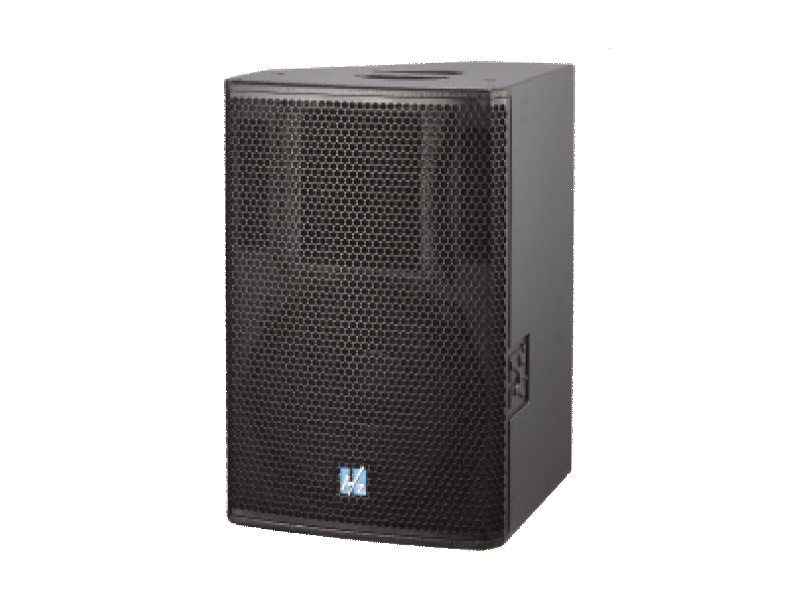
Stage monitor speakers, often simply called "monitors," are an essential part of any live performance setup. They are typically positioned on stage facing the performers, allowing them to hear the music, vocals, or dialogue being played in the live mix. Unlike traditional audience-facing speakers, which are optimized to project sound outward, stage monitors are specifically engineered for close-range, on-stage use. They deliver audio with clarity, helping performers stay in sync with the music, each other, and the overall production.
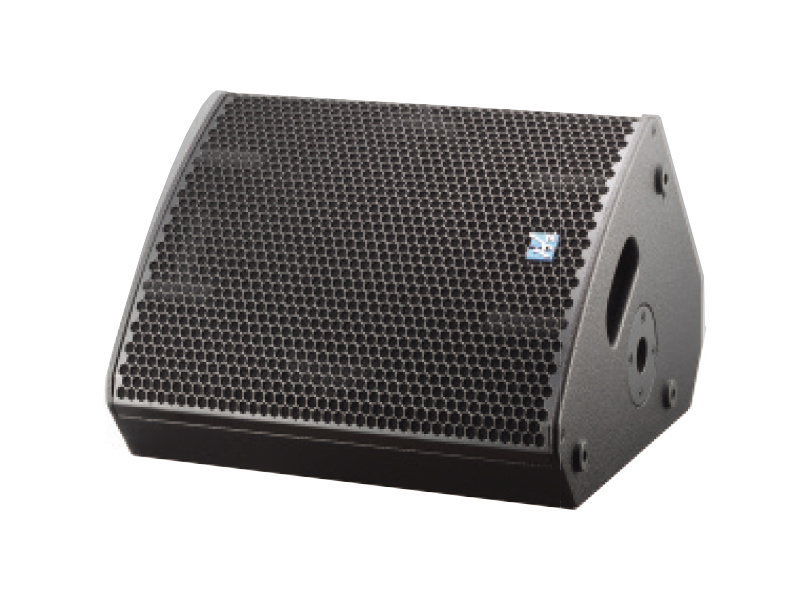
These monitors can be found in several configurations, including floor monitors, wedge monitors, and in-ear monitors (IEMs). Floor monitors are the most common and are typically placed at the performers' feet. These are often in the shape of wedges, which allow the sound to project upward toward the performer. In-ear monitors, on the other hand, are small earpieces worn by performers to provide personalized audio feedback directly into the ear, reducing stage noise and offering more precise control over what they hear.
Key Features of Stage Monitor Speakers
Wide Frequency Range: Stage monitors are designed to reproduce a wide range of frequencies to ensure that performers hear the full spectrum of sound. From deep bass notes to high-pitched treble, monitors must provide an accurate, balanced sound that allows performers to detect every nuance of their performance.
High Output Power: To ensure clarity and volume even in loud live environments, stage monitors are typically designed with high output power. This is particularly important for large venues where the overall sound may be overpowering, and performers need a reliable, loud enough monitor to hear themselves and others clearly.
Wide Dispersion: Unlike audience speakers, which focus sound on a specific area, stage monitors often feature a wide dispersion pattern. This ensures that the sound reaches the performer no matter where they are on stage. It helps create a more immersive and comfortable environment, allowing performers to focus entirely on their performance without distraction.
Low Distortion: One of the most important features of stage monitor speakers is the ability to deliver audio with minimal distortion. Distorted or muddy sound can confuse performers, making it harder for them to stay in sync with the performance. High-quality stage monitors are engineered to produce clean, undistorted sound, even at high volume levels.
Durability: Given the demanding nature of live performances, stage monitor speakers need to be built to withstand the wear and tear of constant use, transportation, and stage environments. Many are built with rugged materials and components, offering durability and reliability even in challenging conditions.
Types of Stage Monitors
Floor Monitors (Wedge Monitors): These are the most common type of stage monitors. Positioned on the stage floor, they often have a wedge-shaped design, allowing the sound to project upward toward the performer. These monitors are versatile and can be used for various performances, from concerts to theater productions.
In-Ear Monitors (IEMs): For a more personalized and precise sound experience, in-ear monitors are a popular choice among performers. IEMs provide clear audio directly into the ear, isolating performers from external noise. This can be particularly beneficial in large venues or outdoor events where background noise is a concern. IEMs also offer a higher degree of mobility and comfort for performers who prefer not to have bulky floor monitors on stage.
Side-Fill Monitors: In large productions, side-fill monitors are placed on either side of the stage to provide additional coverage, particularly for performers who might be far from traditional floor monitors. These monitors help ensure that every performer on stage gets consistent and balanced audio feedback.
Column Monitors: In some cases, performers may use column monitors, which are typically taller and provide a more focused audio experience. These are particularly useful for controlling feedback and ensuring the sound is directed toward the performer without disturbing the audience.
Advancements in Stage Monitor Technology
As audio technology continues to evolve, so too do stage monitors. Modern stage monitors now include digital processing and wireless technology that improve their versatility, ease of use, and sound quality. For example, some stage monitors now feature built-in digital signal processing (DSP), allowing for more precise control over the sound, including equalization, delay, and volume adjustments.
Another exciting development is the rise of wireless in-ear monitors (IEMs), which provide performers with the freedom to move around the stage without being tethered to cables. Wireless IEMs also reduce the amount of clutter on stage, improving safety and allowing for more dynamic stage setups.
Additionally, advances in Bluetooth and Wi-Fi technology are making it easier for sound engineers and performers to manage and adjust monitor settings remotely, ensuring the best possible mix for each performer, no matter where they are positioned on stage.
The Importance of Monitoring in Live Performances
Accurate stage monitoring is not just a convenience for performers – it is a necessity. Without proper monitoring, performers may struggle to stay in tune, hit their cues, or coordinate with fellow musicians or actors. Whether it's a singer ensuring they can hear their voice clearly, a drummer adjusting their timing with the rest of the band, or an actor staying in sync with their cues, stage monitors provide the necessary auditory feedback for seamless performances.
Conclusion
Stage monitor speakers play a vital role in live performance environments, providing clear, accurate sound that enables performers to stay in tune with their surroundings. With various options available, from traditional floor monitors to advanced in-ear systems, performers have the flexibility to choose the right solution for their needs. As technology advances, stage monitors are becoming increasingly sophisticated, offering greater customization, clarity, and convenience for both performers and sound engineers. Ultimately, these essential devices ensure that every performance, from concerts to theater productions, is executed with precision and professionalism, delivering the best experience for both performers and audiences alike.
PREVIOUS:
NEXT:

CONTACT
Hzaudio Office Address: 16 st joins ave, mont Albert, Vic 3127, Australia
Hzaudio Lab Address: No. 455, Fuyi Road, Dalong Street, Panyu District, Guangzhou, China
Tel: +86 20-34882578 Cell:+86 18620144731
E-mail: sale@hzaudio.com
Follow Us On Wechat!