

Choosing the Right Stage Monitor Speakers for Your Next Gig: A Comprehensive Guide
Choosing the Right Stage Monitor Speakers for Your Next Gig Table of Contents 1. Introduction to Stage Monitor Speakers 2. Why Stage Monitor Speakers Matter 3. Types of Stage Monitor Speakers 3.1 Active vs. Passive Monitors 3.2 Wedge Monitors 3.3 In-Ear Monitors 3.4 Line Array Monitors 4. Key Features to Consider 4.1 Sound Quality 4.2 Pow
Dec 31,2025
Choosing the Right Stage Monitor Speakers for Your Next Gig
Table of Contents
- 1. Introduction to Stage Monitor Speakers
- 2. Why Stage Monitor Speakers Matter
- 3. Types of Stage Monitor Speakers
- 4. Key Features to Consider
- 5. Budgeting for Your Stage Monitor Speakers
- 6. Setting Up Your Stage Monitor Speakers
- 7. Maintenance Tips for Longevity
- 8. Conclusion
1. Introduction to Stage Monitor Speakers
When it comes to live performances, **stage monitor speakers** play a crucial role in ensuring that performers can hear themselves and other instruments clearly. Whether you are a musician, a speaker, or a performer, having the right stage monitor can make all the difference in delivering an exceptional performance. This guide will delve deep into choosing the right stage monitor speakers, helping you understand their significance, types, key features, and more.
2. Why Stage Monitor Speakers Matter
Stage monitors provide the necessary audio feedback for performers, allowing them to stay in tune, maintain timing, and connect with the audience. Without proper monitoring, musicians may struggle to hear their own instruments or vocals, leading to a disjointed performance. High-quality monitors also help to reduce stage volume, ensuring that the front-of-house sound remains clean and balanced.
3. Types of Stage Monitor Speakers
Understanding the different types of stage monitor speakers available is essential for making an informed decision. Here are the main categories:
3.1 Active vs. Passive Monitors
Active monitors have built-in amplifiers, making them easier to set up and use right out of the box. They typically offer a more compact solution for performers who need portability. Passive monitors, on the other hand, require an external amplifier. They provide more flexibility in terms of power and sound customization, making them suitable for larger venues.
3.2 Wedge Monitors
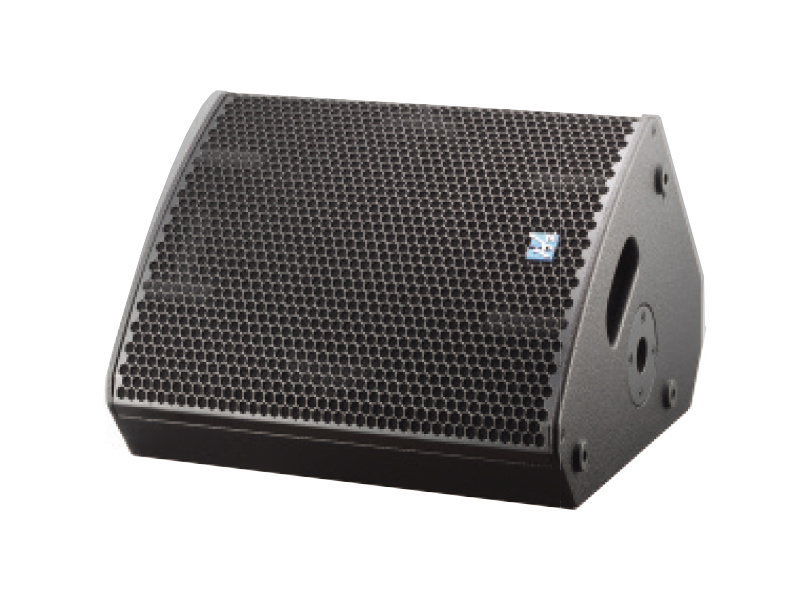
Wedge monitors are the most commonly used type in live performances. They are positioned at an angle on the stage floor, directing sound upwards toward the performer. This design ensures that musicians can hear themselves clearly without overwhelming other sounds on stage.
3.3 In-Ear Monitors
In-ear monitors (IEMs) are becoming increasingly popular among performers for their ability to provide personalized sound directly to the listener. These monitors are discreet and allow musicians to move freely without being encumbered by traditional speakers. IEMs can also help block out unwanted stage noise, offering a more focused listening experience.
3.4 Line Array Monitors
Line array monitors are designed for larger events and venues. They consist of multiple speaker cabinets arranged in a vertical line, allowing sound to be distributed evenly across a wider area. This type of monitor is excellent for outdoor concerts or large auditoriums, where coverage is critical.
4. Key Features to Consider
When choosing stage monitor speakers, certain features should be prioritized to ensure you get the best possible sound quality and performance.
4.1 Sound Quality
The most vital aspect of any speaker system is its sound quality. Look for monitors that offer clear highs, rich mids, and well-defined lows. **Frequency response** is essential; a broader range generally means more accurate sound reproduction.
4.2 Power Rating
Power rating is measured in watts and indicates how much power the speaker can handle. Higher wattage allows for louder sound without distortion, which is especially important in larger venues. Be sure to select a model that can accommodate the scale of your performances.
4.3 Frequency Response
Frequency response refers to the range of frequencies that the speaker can reproduce effectively. A wider frequency range means that the monitor can handle more diverse sound types. Look for stage monitors with a frequency response that suits your specific performance needs.
4.4 Portability
Portability is another significant factor, especially if you are frequently on the move. Lightweight monitors with compact designs can make setup and transportation much easier. Consider the size and weight of the monitors relative to your transport options and venue requirements.
5. Budgeting for Your Stage Monitor Speakers
Your budget will greatly influence your choices when selecting stage monitor speakers. Prices can range from a few hundred to several thousand dollars, depending on quality and features. Be prepared to invest in quality monitors that will provide reliable performance. Consider the potential for rental fees if you opt for lower-quality equipment that could hinder your performance.
6. Setting Up Your Stage Monitor Speakers
Proper setup is crucial to maximizing the effectiveness of your stage monitors. Here are some tips:
- **Positioning**: Place wedge monitors at an angle for optimal sound delivery. In-ear monitors should fit snugly and be well-balanced.
- **Sound Check**: Always conduct a thorough sound check before the performance. This ensures that levels are balanced and performers can hear themselves correctly.
- **Adjustments**: Be prepared to make adjustments during the performance. Flexibility in your setup can help address any sound issues that arise.
7. Maintenance Tips for Longevity
To ensure that your stage monitor speakers last, regular maintenance is necessary. Here are some tips:
- **Clean Regularly**: Dust and dirt can accumulate, affecting sound quality. Use a soft cloth to clean the speakers regularly.
- **Check Connections**: Ensure all cables and connections are secure. Loose wires can lead to sound issues or even damage.
- **Store Properly**: When not in use, store monitors in protective cases to avoid physical damage.
8. Conclusion
Choosing the right stage monitor speakers for your next gig is a vital decision that can significantly impact your performance. By understanding the different types of monitors, prioritizing key features, and taking proper care of your equipment, you can enhance your audio experience and ensure that your performance resonates with your audience. Investing time in selecting the right gear will pay off in the quality of your sound and the overall success of your event.
PREVIOUS:

CONTACT
Hzaudio Office Address: 16 st joins ave, mont Albert, Vic 3127, Australia
Hzaudio Lab Address: No. 455, Fuyi Road, Dalong Street, Panyu District, Guangzhou, China
Tel: +86 20-34882578 Cell:+86 18620144731
E-mail: sale@hzaudio.com
Follow Us On Wechat!