

A Comprehensive Guide to Setting Up Live Sound Speakers for Maximum Impact
A Comprehensive Guide to Setting Up Live Sound Speakers for Maximum Impact In the realm of live sound production, the effective setup of speakers plays a pivotal role in delivering an immersive auditory experience. Whether you are organizing a concert, a corporate event, or a community gathering, understanding how to optimize your sound system can significantly impact the overall success of your e
Nov 19,2026
A Comprehensive Guide to Setting Up Live Sound Speakers for Maximum Impact
In the realm of live sound production, the effective setup of speakers plays a pivotal role in delivering an immersive auditory experience. Whether you are organizing a concert, a corporate event, or a community gathering, understanding how to optimize your sound system can significantly impact the overall success of your event. This guide explores the essential elements of setting up live sound speakers, ensuring that your audience enjoys every note, beat, and word with clarity and precision.
Table of Contents
- Understanding Live Sound and Its Importance
- Key Components of Sound Systems
- Choosing the Right Speakers for Your Event
- Speaker Placement Techniques for Optimal Sound
- Calibrating Your Sound System for Maximum Impact
- Managing Sound Quality During Live Events
- Troubleshooting Common Sound Issues
- Frequently Asked Questions
Understanding Live Sound and Its Importance
Live sound refers to the amplification and management of audio during events where the audience experiences sound in real-time. The significance of live sound cannot be overstated; it enhances the emotional connection between performers and their audience. A well-executed sound setup can turn an average performance into an unforgettable experience, while poor sound quality can detract from even the most talented artists.
Key Components of Sound Systems
To understand how to set up live sound speakers effectively, it’s essential to familiarize yourself with the key components of a sound system. Here are the fundamental elements:
Mixing Console
The mixing console is the heart of any sound system, allowing sound engineers to control audio levels, EQ, and effects. It processes signals from various sources (microphones, instruments) and balances them for output through the speakers.
Amplifiers
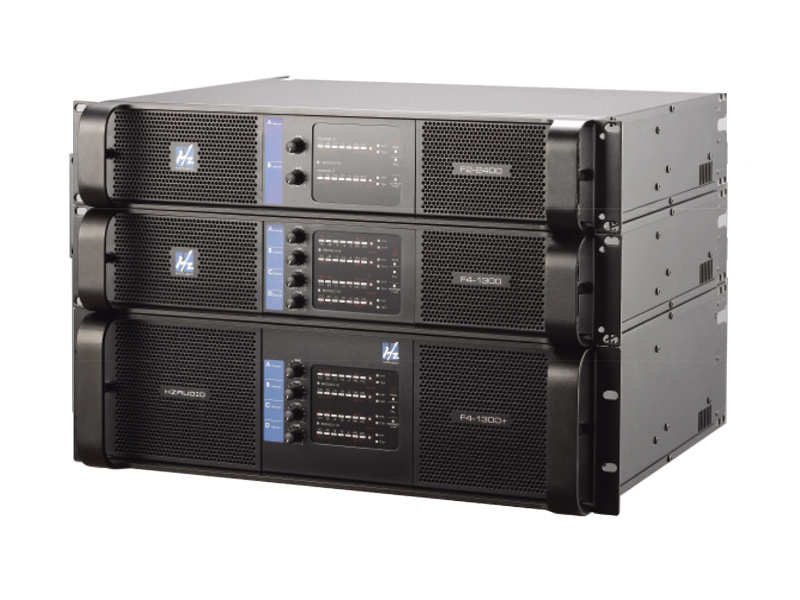
Amplifiers boost audio signals to a level suitable for speakers. Understanding the type and power of amplifiers needed for your speakers is crucial for achieving optimal sound output without distortion.
Speakers
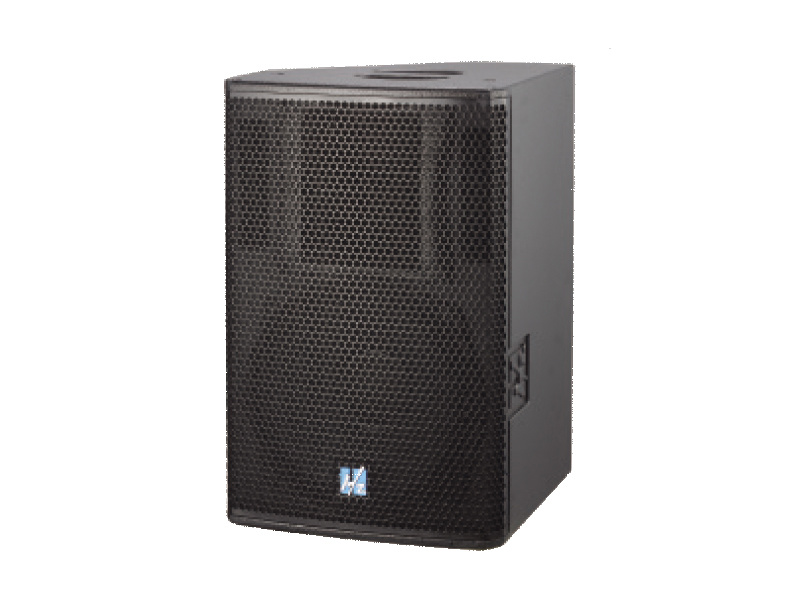
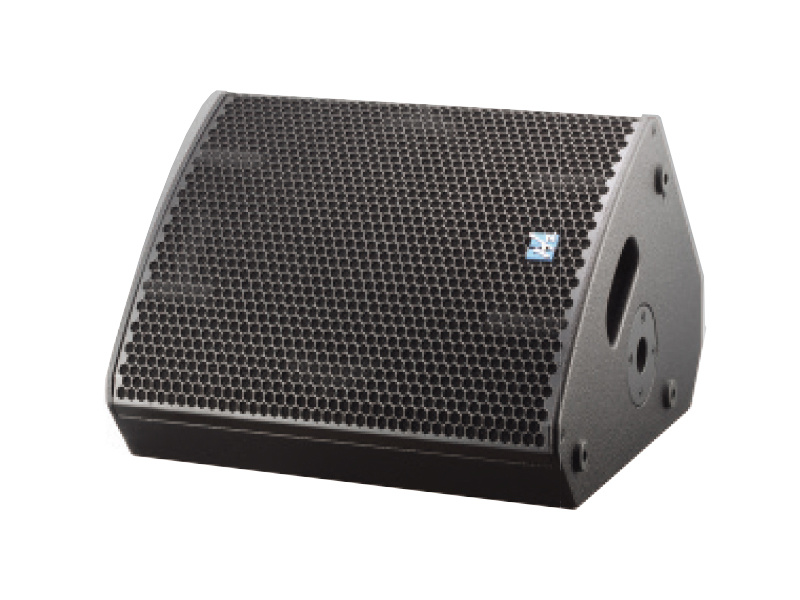
Speakers convert electrical signals into sound waves. Different types of speakers (e.g., passive, active, subwoofers) serve various functions in a setup, and selecting the right combination is essential for comprehensive sound coverage.
Microphones
Microphones capture sound from vocalists and instruments. The selection of microphones can greatly affect sound quality, so consider the type (dynamic, condenser) and pickup patterns (cardioid, omnidirectional) based on your event’s requirements.
Choosing the Right Speakers for Your Event
Choosing the correct speakers is foundational to setting up an impactful live sound system. Here are some important factors to consider:
Type of Event
Different events require different speaker types. For instance, outdoor concerts often need more robust speakers to cover greater distances, while intimate indoor gatherings may benefit from smaller, high-fidelity speakers.
Power Rating
Speaker power ratings, measured in watts, determine how loud the speakers can get without distortion. Match the power rating of the speakers to the amplifier to ensure compatibility and optimal performance.
Frequency Response
A speaker’s frequency response indicates its range of sound reproduction. For a balanced audio experience, choose speakers with a wide frequency range that can cover lows (bass), mids (vocals), and highs (cymbals).
Portability and Size
If your event requires mobility, consider lightweight and portable speakers. However, ensure that the size of the speaker does not compromise sound quality and output.
Speaker Placement Techniques for Optimal Sound
Once you’ve selected the right speakers, proper placement is crucial for optimal sound distribution. Here are some effective strategies:
Height and Angle
Position speakers at ear level for the audience, angling them slightly towards the center of the crowd. This ensures that sound waves reach listeners directly without excessive reflection off the walls or ceiling.
Distance from Walls
To avoid unwanted reflections and cancellations, place speakers at least a few feet away from walls. This distance allows sound waves to disperse more effectively and helps maintain clarity.
Subwoofer Placement
Subwoofers produce deep bass sounds; their placement affects bass response. Avoid corner placement, as it can create excessive resonance. Instead, experiment with placement along the front of the stage to find the sweet spot for low-frequency impact.
Calibrating Your Sound System for Maximum Impact
Calibration ensures that your sound system performs at its best. Here are steps to properly calibrate your setup:
Sound Check
Conduct a thorough sound check before the event begins. Test each microphone and instrument, adjusting levels and EQ settings on the mixing console to ensure a balanced mix.
Monitor Levels
Monitor levels continuously during the event. Use a sound meter to check decibel levels and make adjustments as necessary to avoid distortion or feedback.
Feedback Prevention
Feedback is a common issue in live sound settings. To minimize feedback, position microphones away from speakers and use directional mics when possible. Employ equalization to reduce problematic frequencies.
Managing Sound Quality During Live Events
Managing sound quality throughout the event is vital for delivering an exceptional experience. Here are some strategies:
Real-Time Monitoring
Assign a sound engineer to monitor audio levels and quality throughout the event. Using headphones and sound meters allows for real-time adjustments and ensures consistent sound quality.
Audience Feedback
Engage with audience members to gauge their experience. Positive and negative feedback can provide insights into potential sound issues that need addressing during the event.
Post-Event Review
After the event, review the sound quality and any challenges faced. Documenting these insights can help with planning future events and refining your setup process.
Troubleshooting Common Sound Issues
Even with the best preparations, issues may arise during a live sound event. Here are common problems and their solutions:
Low Volume
If the sound is too low, check connections and ensure that all equipment is powered on. Adjust the gain settings on the mixing console and verify the speaker power ratings.
Distortion
Distortion can result from overdriving the speakers or incorrect EQ settings. Lower levels on the mixing console and adjust EQ settings to smooth out frequency response.
Feedback Problems
Feedback typically occurs when sound loops back into microphones. Experiment with microphone positioning, reduce gain on problematic channels, and utilize EQ to minimize feedback frequencies.
Frequently Asked Questions
What type of speakers are best for outdoor events?
For outdoor events, look for weather-resistant speakers, line array systems, or powerful passive speakers that can cover larger areas effectively.
How can I ensure my sound system is compatible?
Check the power ratings, impedance, and connectors of your speakers and amplifiers to ensure they match and are compatible with your sound system.
What is the best way to avoid feedback during a performance?
To avoid feedback, position microphones strategically, keep them away from speakers, and use directional microphones to focus on the sound source.
How do I know if my speaker placement is correct?
Test your sound coverage with a sound check, moving around the venue to ensure consistent sound quality in different areas. Adjust placements if necessary.
Can I use a sound system for both music and speech events?
Yes, a versatile sound system can cater to both music and speech. Ensure you have appropriate speakers and microphones that can handle the dynamics of both audio types.
Conclusion
Setting up live sound speakers for maximum impact is a multifaceted process that requires careful consideration of equipment, placement, and management. By understanding the components of a sound system, choosing the right speakers, and implementing effective placement strategies, you can ensure that your audience experiences high-quality sound. Continuous monitoring and troubleshooting will further enhance the effectiveness of your setup. With these insights, you are well-equipped to create memorable live sound experiences that resonate with audiences long after the performance ends.

CONTACT
Hzaudio Office Address: 16 st joins ave, mont Albert, Vic 3127, Australia
Hzaudio Lab Address: No. 455, Fuyi Road, Dalong Street, Panyu District, Guangzhou, China
Tel: +86 20-34882578 Cell:+86 18620144731
E-mail: sale@hzaudio.com
Follow Us On Wechat!