

Top Features to Consider in Stage Monitor Speakers for Optimal Sound Performance
Top Features to Consider in Stage Monitor Speakers for Optimal Sound Performance When it comes to delivering an outstanding audio experience during live performances, stage monitor speakers play a crucial role. Whether you are a musician, sound engineer, or event organizer, understanding the key features to consider in stage monitor speakers can significantly impact your sound quality. In this co
Jan 06,2026
Top Features to Consider in Stage Monitor Speakers for Optimal Sound Performance
When it comes to delivering an outstanding audio experience during live performances, stage monitor speakers play a crucial role. Whether you are a musician, sound engineer, or event organizer, understanding the key features to consider in stage monitor speakers can significantly impact your sound quality.
In this comprehensive guide, we will delve into the essential aspects that make stage monitor speakers stand out, ensuring that performers and audiences alike enjoy superior sound clarity and presence.
Table of Contents
- Importance of Stage Monitor Speakers
- Key Features of Stage Monitor Speakers
- Sound Quality and Clarity
- Power Output and Volume Levels
- Speaker Design and Form Factor
- Durability and Build Quality
- Connectivity Options
- Affordability and Value for Money
- Frequently Asked Questions
Importance of Stage Monitor Speakers
Stage monitor speakers serve as a vital communication link between performers and their music. Unlike regular speakers, which are designed to project sound towards an audience, stage monitors allow artists to hear themselves and other musicians on stage. This feedback is essential for maintaining synchronization and delivering a flawless performance.
Additionally, having quality stage monitors can prevent sound issues, which can lead to distractions and performance errors. By providing a tailored sound experience, monitors help performers adjust their vocals and instruments in real-time, ensuring a polished and captivating show.
Key Features of Stage Monitor Speakers
When selecting stage monitor speakers, several features should be prioritized to enhance your audio experience. Below, we discuss the critical components to consider.
Sound Quality and Clarity
One of the most important features of stage monitor speakers is **sound quality**. Look for models that produce clear and accurate sound reproduction across a wide frequency range. In particular, the mid-range frequencies should be emphasized, as they are crucial for vocals and various instruments.
Clarity is paramount; a monitor that distorts sound at high volumes is unsuitable for live performances. **Active speakers**, which have built-in amplifiers, often provide superior sound quality by eliminating the need for external amplification, ensuring consistent audio delivery.
Power Output and Volume Levels
**Power output** is another critical feature to consider. The wattage rating of a speaker determines how loud it can get without compromising sound quality. For live performances, adequate power output is essential to ensure performers can hear themselves over other instruments and ambient noise.
Most stage monitors have power ratings ranging from 100 watts to over 300 watts. Depending on the size of the venue, you may require higher power output to fill larger spaces adequately.
Speaker Design and Form Factor
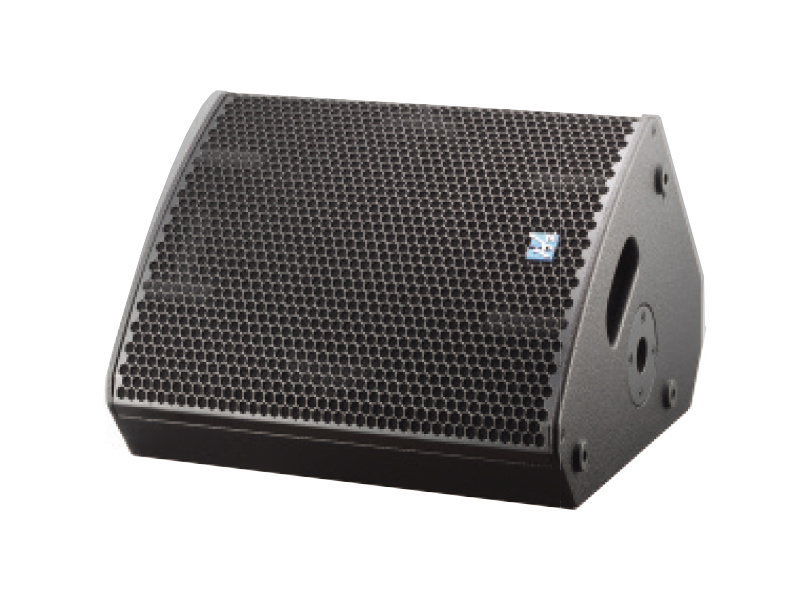
The **design** of stage monitor speakers can significantly influence their performance and usability. There are two primary designs for stage monitors: **wedge-shaped** and **flat**.
- **Wedge-shaped monitors** are angled to direct sound toward the performer while allowing for easy placement on the stage floor.
- **Flat monitors**, on the other hand, are often used when a performer requires a speaker to be positioned at a different height or angle.
In addition to shape, consider the **weight and portability** of the speaker. For touring musicians, lightweight speakers are easier to transport and set up.
Durability and Build Quality
Stage environments can be demanding, and having durable speakers is essential. Look for models constructed from high-quality materials that can withstand the rigors of frequent transportation and usage.
Speakers made from **wood** or **high-grade plastic** with protective grilles are often more robust and resistant to damage from impacts and environmental factors. Additionally, having **rubber feet** or anti-slip features can help to keep the monitors securely positioned during performances.
Connectivity Options
Versatile **connectivity options** are crucial for seamless integration into your existing audio setup. Look for stage monitors that come equipped with various input options, such as:
- **XLR inputs** for professional-grade connections.
- **1/4-inch TRS inputs** for instruments and microphones.
- **RCA inputs** for connecting auxiliary devices.
Moreover, some high-end models may offer **Bluetooth connectivity**, which can be useful for quick setups and playback from mobile devices.
Affordability and Value for Money
While quality is essential, it is equally important to find stage monitor speakers that offer good **value for money**. Research different brands and models to find a balance between features and pricing.
Consider the warranty and customer service support offered by manufacturers, which can provide peace of mind when investing in audio equipment. Sometimes spending a little more upfront can save you from future repairs or replacements.
Frequently Asked Questions
1. What is the difference between active and passive stage monitor speakers?
Active stage monitor speakers have built-in amplifiers, making them easier to set up and transport, while passive speakers require an external amplifier for sound.
2. How many stage monitors do I need for a live performance?
The number of stage monitors required depends on the size of the stage and the number of performers. Typically, each performer should have their monitor for optimal sound.
3. Can I connect stage monitors directly to a mixing console?
Yes, stage monitors can be connected directly to a mixing console using appropriate cables, ensuring that each performer receives the sound they need.
4. How do I position stage monitor speakers for best sound?
Position monitors angled towards the performer at ear level for optimal sound clarity. Avoid placing them too close to microphones to prevent feedback.
5. What features should I prioritize in budget stage monitor speakers?
In budget stage monitors, prioritize sound quality, build durability, and essential connectivity options while keeping an eye on user reviews for performance insights.
Conclusion
Choosing the right stage monitor speakers is a pivotal decision for anyone involved in live performances. By focusing on the critical features discussed—sound quality, power output, design, durability, connectivity, and value—you can ensure an optimal audio experience.
Investing time in researching and selecting the best stage monitor speakers tailored to your needs will undoubtedly enhance the overall performance, making it memorable for both artists and audience members. Whether you are a seasoned professional or just starting, understanding these essential components will help you make an informed choice that elevates your sound experience.

CONTACT
Hzaudio Office Address: 16 st joins ave, mont Albert, Vic 3127, Australia
Hzaudio Lab Address: No. 455, Fuyi Road, Dalong Street, Panyu District, Guangzhou, China
Tel: +86 20-34882578 Cell:+86 18620144731
E-mail: sale@hzaudio.com
Follow Us On Wechat!