

Unleashing the Power of Live Sound Speakers for Professional Audio
Unleashing the Power of Live Sound Speakers for Professional Audio Table of Contents Introduction to Live Sound Speakers The Importance of Quality Sound in Professional Audio Types of Live Sound Speakers: A Comprehensive Guide Key Features to Consider When Choosing Live Sound Speakers Setting Up Your Live Sound System: Best Practices Maintaining Your Live Sound Speakers fo
Sep 13,2026
Unleashing the Power of Live Sound Speakers for Professional Audio
Table of Contents
- Introduction to Live Sound Speakers
- The Importance of Quality Sound in Professional Audio
- Types of Live Sound Speakers: A Comprehensive Guide
- Key Features to Consider When Choosing Live Sound Speakers
- Setting Up Your Live Sound System: Best Practices
- Maintaining Your Live Sound Speakers for Longevity
- Trends in Live Sound Technology
- Conclusion
- Frequently Asked Questions
Introduction to Live Sound Speakers
Live sound speakers are the backbone of any professional audio setup. Whether you are hosting a concert, a corporate event, or a public speaking engagement, the quality of sound produced can significantly impact the overall experience. The right speakers not only amplify sound but also enhance clarity, allowing every note and word to be heard distinctly. In this guide, we will explore the numerous aspects of live sound speakers, from their importance to the latest trends in technology.
The Importance of Quality Sound in Professional Audio
In professional audio settings, sound quality is non-negotiable. Poor audio can lead to misunderstandings, loss of engagement, and ultimately, dissatisfaction among audiences. High-quality sound systems ensure that all attendees receive a balanced auditory experience, whether they are sitting in the front row or at the back of the venue.
**Key benefits of quality sound include:**
- **Enhanced Clarity:** Clear audio ensures that every word, note, and sound is crisp and distinct.
- **Audience Engagement:** High-quality sound keeps the audience engaged, allowing them to connect with the performance or presentation.
- **Professionalism:** Investing in quality equipment reflects a commitment to excellence in any professional setting.
Types of Live Sound Speakers: A Comprehensive Guide
Understanding the various types of live sound speakers available can help you make an informed decision based on your specific needs. Here are the most common types:
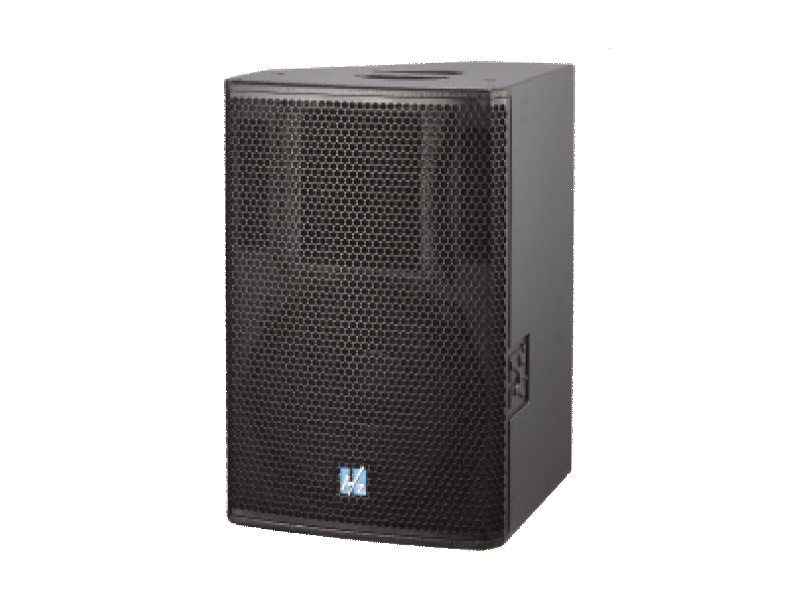
Active Speakers
Active speakers come with built-in amplifiers, which means they require less equipment to set up. They are typically easier to transport and install, making them popular for touring artists and mobile DJs.
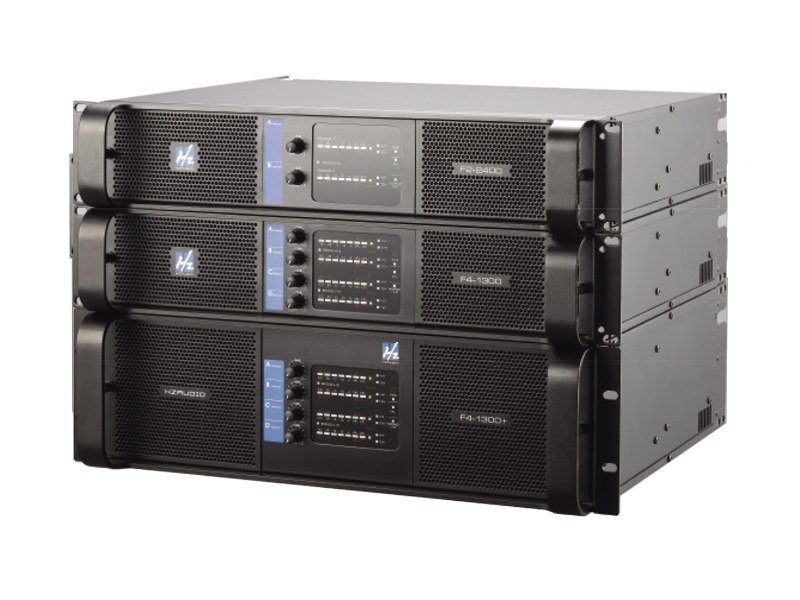
Passive Speakers
Passive speakers lack built-in amplification and require an external amplifier to function. These speakers are often favored for their versatility and the ability to customize sound systems to meet specific requirements.
Subwoofers
Subwoofers are designed to reproduce low-frequency sounds, adding depth and richness to music. They are essential for genres like electronic, hip-hop, and rock, where bass is a critical component of the audio experience.
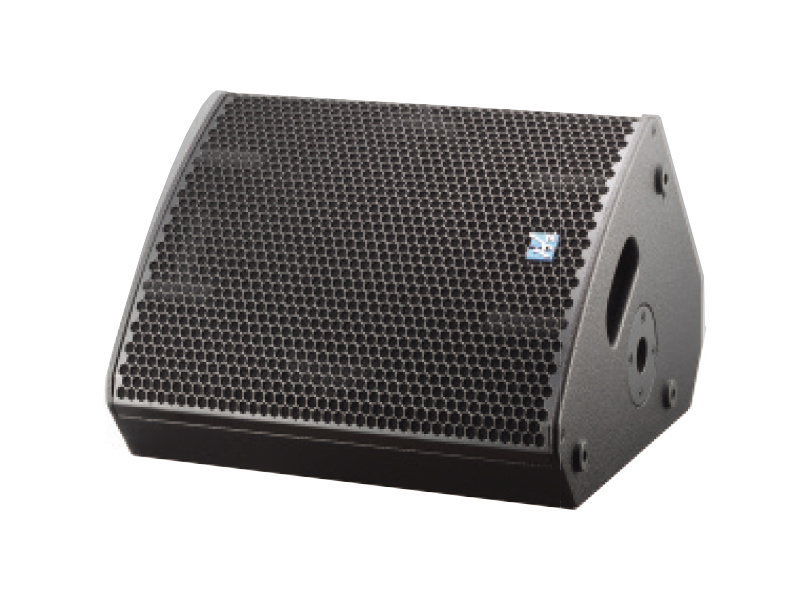
Monitor Speakers
Also known as stage monitors, these speakers allow performers to hear themselves and each other during live performances. They are essential for ensuring that artists maintain pitch and timing.
Line Array Speakers
Line array systems consist of multiple speakers stacked vertically. This design allows for even sound distribution across large venues, making them ideal for concerts and festivals.
Key Features to Consider When Choosing Live Sound Speakers
Selecting the right live sound speakers involves considering several important features:
Power Rating
The power rating, measured in watts, is a critical factor in determining the speaker's ability to produce sound at high volumes without distortion. Look for speakers with a power rating that matches your venue size.
Frequency Response
Frequency response indicates the range of sounds a speaker can reproduce, from low bass to high treble. A wider frequency response ensures that your audio system can handle a broader spectrum of sound.
Portability
For mobile setups, portability is essential. Evaluate the weight, size, and design of the speakers to ensure they can be transported easily.
Durability
Professional audio equipment is an investment. Look for speakers made from robust materials that can withstand the rigors of travel and frequent use.
Connectivity Options
Modern speakers offer various connectivity options, including XLR, TRS, and USB ports. Ensure your chosen speakers can connect seamlessly with your existing equipment.
Setting Up Your Live Sound System: Best Practices
Proper setup of your live sound speakers is crucial for achieving optimal sound quality. Here are some best practices to follow:
Placement
The positioning of speakers greatly influences sound dispersion. Place speakers at ear level and angle them appropriately to cover the audience area without creating dead spots.
Sound Check
Always conduct a sound check before the event begins. This allows you to identify any potential issues and make necessary adjustments to ensure optimal sound quality.
Equalization
Use an equalizer to adjust frequencies based on the acoustics of the venue. Tailoring the sound to the environment can significantly enhance clarity and overall audio quality.
Maintaining Your Live Sound Speakers for Longevity
To ensure your live sound speakers remain in excellent condition, regular maintenance is essential.
Regular Cleaning
Dust and debris can accumulate in speaker grills and connections, affecting performance. Regularly clean your equipment with appropriate tools to maintain sound quality.
Check Connections
Loose or damaged connections can lead to sound issues. Regularly inspect and secure all cables and connectors to ensure a stable audio signal.
Storage Conditions
Store your speakers in a cool, dry place when not in use. Extreme temperatures and humidity can cause damage to components, reducing lifespan.
Trends in Live Sound Technology
The world of live sound is continually evolving, with exciting trends shaping the industry. Here are a few noteworthy advancements:
Digital Mixing Consoles
Digital mixing consoles offer greater flexibility and control compared to traditional analog systems. They allow for intricate sound shaping and are increasingly favored in live settings.
Wireless Technology
Wireless microphones and speakers are becoming the norm, enhancing mobility for performers and technicians alike. This trend simplifies setups and reduces cable clutter.
Smart Speakers
The integration of smart technology into speakers allows for remote control and automation, enabling technicians to adjust sound settings from anywhere in the venue.
Conclusion
In the realm of professional audio, live sound speakers play an indispensable role in creating memorable experiences. By understanding the various types of speakers, key features to consider, and best practices for setup and maintenance, you can unleash the true power of sound in any professional setting. As technology continues to advance, staying informed about the latest trends will ensure that your audio setup remains at the forefront of innovation.
Frequently Asked Questions
1. What is the difference between active and passive speakers?
Active speakers have built-in amplifiers, while passive speakers require external amplification. Active speakers are generally easier to set up, whereas passive speakers offer more customization options.
2. How do I determine the right power rating for my speakers?
Consider the size of your venue and the type of events you will host. Generally, larger venues require speakers with higher power ratings to ensure sound coverage.
3. Can I use subwoofers with my existing speakers?
Yes, subwoofers can be added to enhance low-frequency sounds. Ensure compatibility and proper setup to achieve the best audio experience.
4. How often should I perform maintenance on my speakers?
Regular maintenance should be conducted after every use, with more thorough checks and cleaning done periodically based on usage frequency.
5. What are some tips for achieving the best sound quality?
Invest in quality equipment, perform regular sound checks, use an equalizer to tailor sound to the venue, and ensure proper speaker placement for optimal sound dispersion.
This comprehensive guide provides insights into live sound speakers, emphasizing their importance in professional audio. By following the outlined strategies, you can elevate your audio experience and ensure every performance resonates with clarity and precision.

CONTACT
Hzaudio Office Address: 16 st joins ave, mont Albert, Vic 3127, Australia
Hzaudio Lab Address: No. 455, Fuyi Road, Dalong Street, Panyu District, Guangzhou, China
Tel: +86 20-34882578 Cell:+86 18620144731
E-mail: sale@hzaudio.com
Follow Us On Wechat!