

Understanding Passive PA Speakers: Essential Insights for Professionals
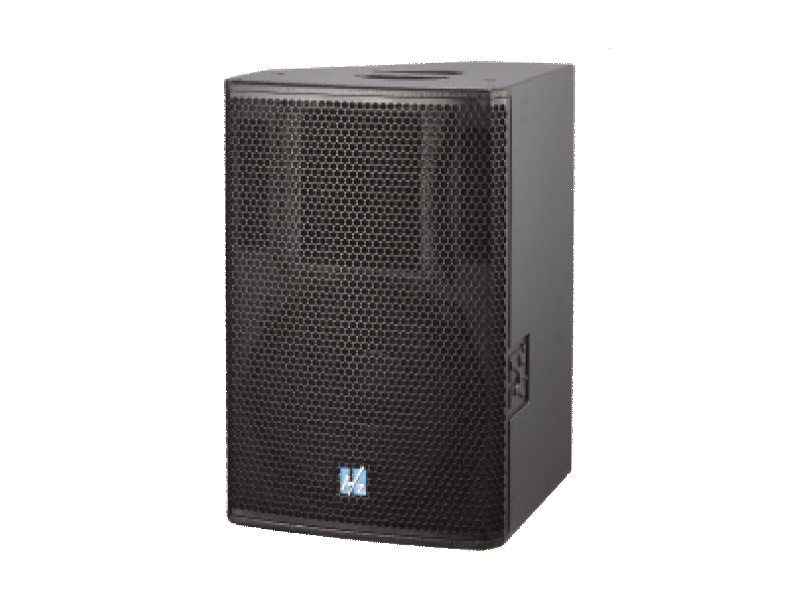
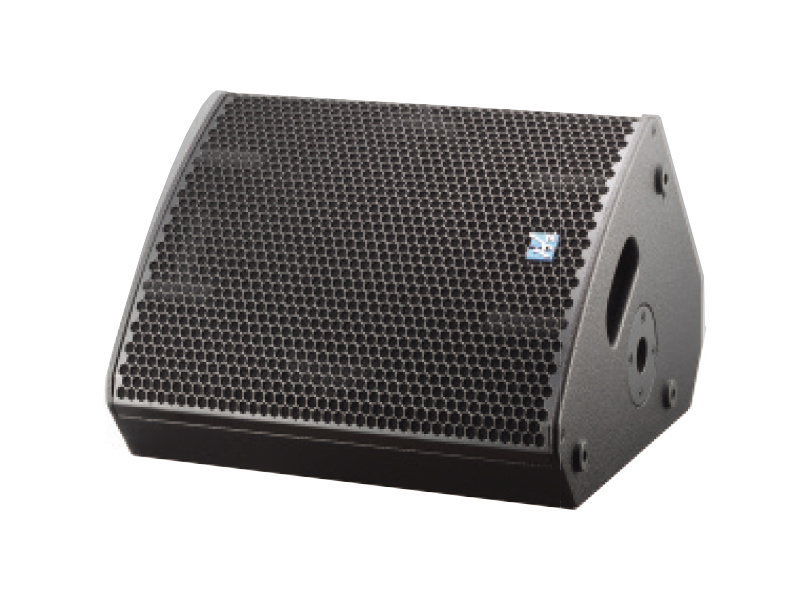
Passive PA speakers play a crucial role in professional audio systems, particularly in live sound reinforcement and various event settings. Unlike their active counterparts, passive speakers do not have built-in amplifiers; instead, they rely on external amplification to deliver sound. This article delves into the key features, benefits, and considerations associated with passive PA speakers, prov
Jan 09,2026
One of the primary advantages of passive PA speakers is their flexibility. Because they do not include built-in amplifiers, users can pair them with a variety of amplifiers that suit their specific needs and preferences. This capability allows audio professionals to achieve optimal sound quality by selecting amplification that complements the speaker's design and intended use. Additionally, the variety of available passive speakers caters to diverse sound applications, from small public address systems to large concert setups.
When considering passive PA speakers, it is essential to understand their design and construction. They are typically constructed with durable materials, ensuring that they can withstand the rigors of frequent transport and use in various environments. Furthermore, the speaker drivers—such as woofers and tweeters—are designed to provide specific frequency responses, allowing for a balanced sound across the audio spectrum. Professionals should pay attention to these specifications when selecting speakers for particular applications, as this will ensure clarity and fidelity in sound reproduction.
Another important aspect of passive PA speakers is their impedance, which is a critical factor when matching them with amplifiers. Most passive speakers operate at either 4, 6, or 8 ohms. It is vital to ensure that the amplifier's output matches the speaker’s impedance to avoid potential damage and ensure optimal performance. Understanding these technical details not only aids in selecting the right equipment but also enhances overall system efficiency.
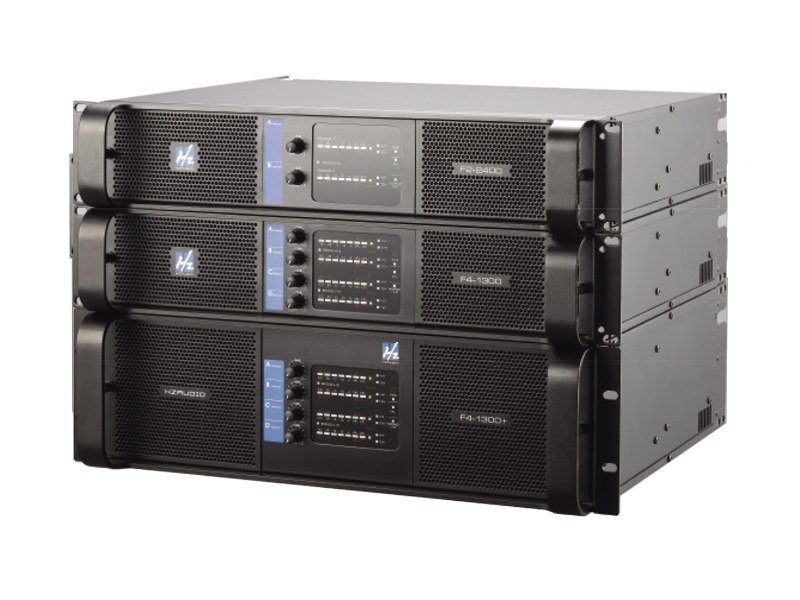
Moreover, passive PA speakers often require additional components for a complete setup, such as amplifiers, mixers, and equalizers. This necessity can be seen as a disadvantage for some users who prefer the simplicity of active speakers. However, many audio professionals appreciate the ability to customize their systems, allowing them to tailor sound to specific venues and events more effectively.
In summary, passive PA speakers offer a versatile and customizable solution for audio professionals seeking high-quality sound reinforcement. By understanding their features, benefits, and considerations, users can make informed decisions that enhance their audio setups and overall performance. Whether for small gatherings or large concerts, passive PA speakers remain a foundational element in the realm of professional sound.
PREVIOUS:

CONTACT
Hzaudio Office Address: 16 st joins ave, mont Albert, Vic 3127, Australia
Hzaudio Lab Address: No. 455, Fuyi Road, Dalong Street, Panyu District, Guangzhou, China
Tel: +86 20-34882578 Cell:+86 18620144731
E-mail: sale@hzaudio.com
Follow Us On Wechat!