

Understanding the Specifications of Stage Monitor Speakers: A Comprehensive Guide for Audio Professionals
Understanding the Specifications of Stage Monitor Speakers Stage monitor speakers play a crucial role in live performances, providing performers with the sound they need to deliver their best. With a myriad of options available, understanding the specifications of these speakers is key to making the right choice. This guide will delve deep into the essential specifications, features, and considera
Oct 09,2026
Understanding the Specifications of Stage Monitor Speakers
Stage monitor speakers play a crucial role in live performances, providing performers with the sound they need to deliver their best. With a myriad of options available, understanding the specifications of these speakers is key to making the right choice. This guide will delve deep into the essential specifications, features, and considerations that can help you choose the perfect stage monitor speakers for your needs.
Table of Contents
- What Are Stage Monitor Speakers?
- The Importance of Stage Monitor Speakers in Live Performances
- Key Specifications to Consider When Choosing Stage Monitor Speakers
- Different Types of Stage Monitors: Which One Is Right for You?
- Understanding Power Handling Capacity and Wattage
- Frequency Response Range and Its Significance
- Sensitivity and Its Impact on Sound Quality
- Choosing the Right Driver Configuration for Your Stage Monitor
- Placement and Setup Tips for Optimal Performance
- FAQs About Stage Monitor Speakers
- Conclusion
What Are Stage Monitor Speakers?
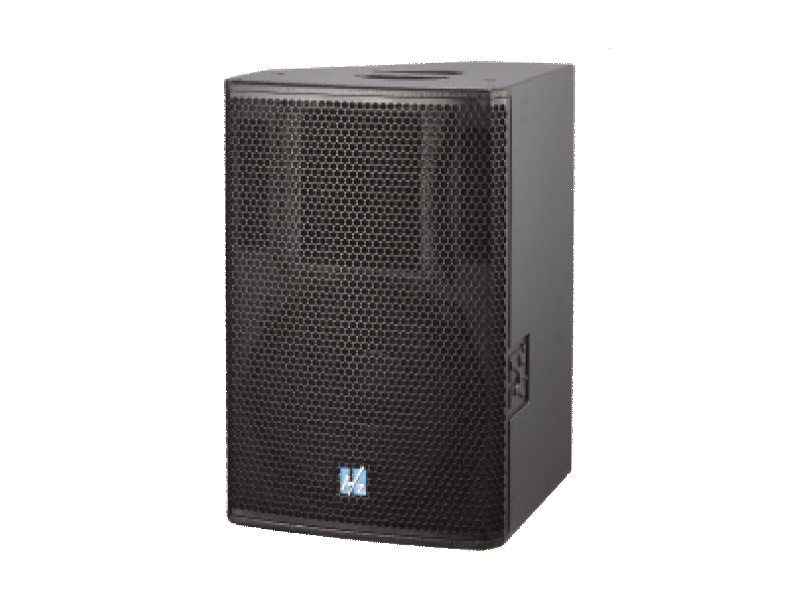
Stage monitor speakers are specialized audio equipment designed to allow performers to hear themselves and their accompanying musicians during live shows. Unlike traditional speakers, which project sound towards the audience, monitor speakers direct sound towards the performers on stage. This is essential for maintaining timing, pitch, and overall performance quality.
The Importance of Stage Monitor Speakers in Live Performances
For artists, sound quality is non-negotiable. Stage monitor speakers greatly enhance a performer’s experience by providing clear audio feedback. This allows musicians to hear their instruments or vocals in real-time, ensuring they can stay in tune and in sync with the rest of the band. Without proper monitoring, performances can suffer, leading to mistakes and a lackluster experience for both the performers and the audience.
Key Specifications to Consider When Choosing Stage Monitor Speakers
When selecting stage monitor speakers, several specifications are critical to consider:
Power Handling Capacity
Power handling capacity indicates how much power a speaker can manage without distortion or damage. It is crucial for ensuring that the speakers can handle the output from amplifiers without sacrificing sound quality.
Frequency Response
Frequency response, typically listed in Hertz (Hz), indicates the range of frequencies a speaker can reproduce. A broader frequency range results in a more accurate sound, allowing vocalists and musicians to hear themselves clearly across different notes.
Sensitivity Rating
The sensitivity rating measures how efficiently a speaker converts power into sound. Higher sensitivity ratings mean that a speaker can produce more sound at lower power levels, making them ideal for live settings where high volume is essential.
Driver Configuration
The driver configuration of a stage monitor can impact the sound quality significantly. Options include coaxial (one driver for both mid and high frequencies) and bi-amp setups (separate drivers for different frequency ranges). Understanding these options can help you choose the right configuration for your needs.
Weight and Portability
Stage monitor speakers can be bulky and heavy. For mobile gigs or frequent setups, consider the weight and ease of transportation. Lightweight models can save time and energy during transitions between performances.
Different Types of Stage Monitors: Which One Is Right for You?
Stage monitors come in various types, each suited to different performance environments and needs:
Wedge Monitors
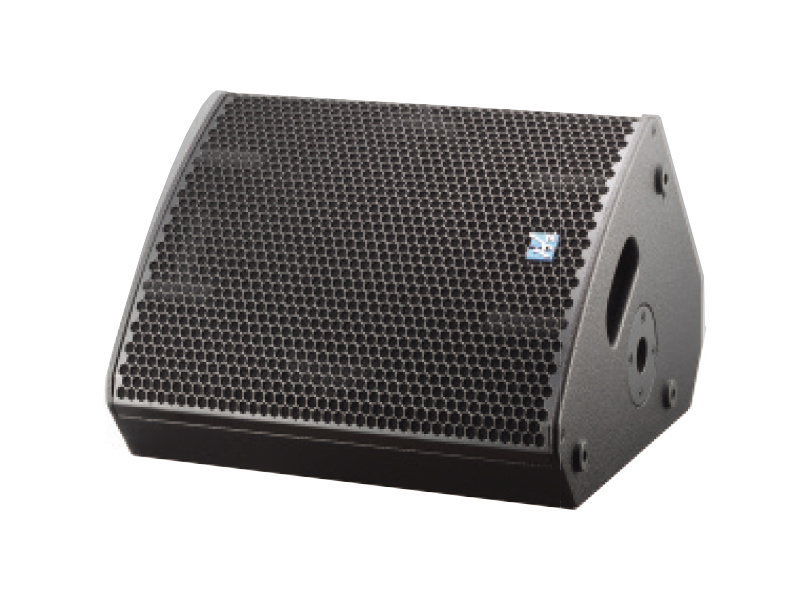
Wedge monitors are the most common type and are shaped like wedges that can be placed on the floor at an angle. They are versatile and suitable for various stage setups.
In-Ear Monitors (IEMs)
In-ear monitors provide a personalized listening experience by delivering sound directly to the performer’s ears. They are ideal for performers who want to control their mix and reduce stage noise.
Side-Fill Monitors
Side-fill monitors are used in larger stages where traditional wedge monitors may not suffice. Placed on the sides of the stage, they provide additional sound coverage, ensuring all performers can hear the mix clearly.
Column and Line Array Monitors
These are typically used in larger venues and can provide broader sound coverage. They are more complex but can create a more immersive listening experience.
Understanding Power Handling Capacity and Wattage
Power handling capacity is measured in watts and refers to the maximum amount of power a speaker can handle without distortion. It’s typically divided into two categories: RMS (Root Mean Square) and Peak.
RMS vs. Peak Power
- **RMS Power**: This rating indicates how much continuous power a speaker can handle without distortion over time. It is a better representation of a speaker's ability to handle real-world scenarios.
- **Peak Power**: This refers to the maximum power level a speaker can handle in short bursts without damage. It’s essential for dynamic sounds like drums but should not be the sole consideration when selecting speakers.
Choosing speakers with a sufficient power handling capacity ensures that they can deliver clear sound without distortion, even at high volumes.
Frequency Response Range and Its Significance
The frequency response range of stage monitors typically spans from low frequencies (around 40 Hz) to high frequencies (up to 20 kHz). This range determines how well a speaker can reproduce different sounds:
Low Frequencies
Low frequencies (bass) are essential for genres like rock and hip-hop. A monitor that can reproduce low frequencies accurately ensures that bass instruments are heard clearly without overwhelming the mix.
Mid Frequencies
Mid frequencies are crucial for vocals and most instruments. A monitor with an excellent mid-frequency response allows performers to hear their vocals distinctly, making it easier to stay in tune.
High Frequencies
High frequencies contribute to the clarity and detail of the sound. Musicians need to hear these frequencies to distinguish subtle nuances in their performance, making clarity in these ranges vital.
Sensitivity and Its Impact on Sound Quality
Sensitivity is measured in decibels (dB) and indicates how effectively a speaker converts power into sound. A higher sensitivity rating means that less power is required to achieve the same volume, which can be crucial in live settings where amplification is needed for clarity.
Why Sensitivity Matters
- **Efficiency**: Speakers with higher sensitivity ratings can produce more sound with less amplifier power, leading to clearer audio and reduced risk of distortion.
- **Mix Control**: Musicians can achieve a balanced mix without pushing the speakers to their limits, allowing for better control over their performance.
Choosing speakers with an appropriate sensitivity rating can significantly affect the overall sound quality and performance experience.
Choosing the Right Driver Configuration for Your Stage Monitor
Driver configuration affects how sound is produced and can significantly change a speaker's performance. Key configurations include:
Coaxial Drivers
Coaxial drivers combine multiple frequency drivers into one unit, enhancing space efficiency. They are ideal for smaller venues where space and weight are considerations.
Separate Drivers
Using separate drivers for low, mid, and high frequencies can improve sound quality by allowing each driver to focus on its specific range. This setup is typically found in more advanced speaker systems and can provide a richer audio experience.
Active vs. Passive Monitors
- **Active Monitors**: These have built-in amplifiers, making them easier to set up and use but may require power sources.
- **Passive Monitors**: These require external amplifiers but can provide more flexibility in sound design.
Choosing the right configuration depends on your performance needs, venue size, and personal audio preferences.
Placement and Setup Tips for Optimal Performance
The placement of stage monitor speakers can significantly affect their effectiveness. Here are tips for optimal placement:
Positioning
- **Angle**: Place monitors at an angle towards the performer’s ears to ensure clear sound without reflection or distortion.
- **Distance**: Keep them close enough to provide adequate sound without overwhelming the performer with volume.
Control Room Setup
Consider the setup of your control room and how it interacts with the stage monitors. Ensure that the performers can hear the monitors clearly without interference from other sound sources.
Testing the Sound
Always conduct sound checks before performances. Adjust the monitor mix to suit each performer’s needs, ensuring they can hear themselves and their bandmates clearly.
FAQs About Stage Monitor Speakers
1. What is the ideal power handling capacity for stage monitor speakers?
The ideal power handling capacity depends on the size of the venue and the type of performance. Generally, speakers should handle at least 2-3 times the amplifier's output for optimal performance.
2. Are in-ear monitors better than wedge monitors?
It depends on personal preference. In-ear monitors provide better isolation and a personalized mix, while wedge monitors can provide a more natural sound.
3. How can I prevent feedback from stage monitor speakers?
To minimize feedback, position monitors correctly, lower their volume, and use directional microphones whenever possible.
4. Can I use passive monitors without an amplifier?
No, passive monitors require an external amplifier for sound. Active monitors have built-in amplification.
5. How often should I perform maintenance on my stage monitor speakers?
Regular inspections and cleaning should occur after each gig, with detailed checks and maintenance done at least once a year.
Conclusion
Understanding the specifications of stage monitor speakers is essential for achieving the best sound quality in live performances. From power handling capacity to frequency response, each specification plays a critical role in ensuring that performers receive the audio feedback they need to deliver an outstanding show. By considering the different types of monitors, their configurations, and the importance of proper placement, audio professionals can make informed decisions that enhance the overall live sound experience. Whether you're a sound engineer, musician, or event organizer, the right stage monitor speakers can make all the difference in your performance.
PREVIOUS:

CONTACT
Hzaudio Office Address: 16 st joins ave, mont Albert, Vic 3127, Australia
Hzaudio Lab Address: No. 455, Fuyi Road, Dalong Street, Panyu District, Guangzhou, China
Tel: +86 20-34882578 Cell:+86 18620144731
E-mail: sale@hzaudio.com
Follow Us On Wechat!