

How Stage Monitor Speakers Enhance Live Performance Quality: Elevating the Experience for Artists and Audiences
How Stage Monitor Speakers Enhance Live Performance Quality Understanding the Role of Stage Monitor Speakers Stage monitor speakers are essential tools in live performances, offering artists the ability to hear themselves and their bandmates clearly. Unlike standard loudspeakers that project sound to the audience, stage monitors focus on delivering sound directly to performers, facilitating a seam
Jan 12,2026
How Stage Monitor Speakers Enhance Live Performance Quality
Understanding the Role of Stage Monitor Speakers
Stage monitor speakers are essential tools in live performances, offering artists the ability to hear themselves and their bandmates clearly. Unlike standard loudspeakers that project sound to the audience, stage monitors focus on delivering sound directly to performers, facilitating a seamless connection between the stage and the audience. The placement and configuration of these speakers can significantly affect the overall sound quality during a live event.
The Functionality of Stage Monitor Speakers
Stage monitor speakers serve a critical function in the acoustic environment of live performances. They help performers achieve optimal sound clarity, which is crucial for delivering an excellent performance. Here are some key functionalities:
- **Direct Sound Feedback**: Stage monitors allow musicians and vocalists to hear their own sound in real-time, improving timing and pitch accuracy.
- **Personalized Sound Control**: Artists can adjust the monitor mix according to their preferences, ensuring they hear the instruments and vocals that matter most to them.
- **Enhancing Communication**: In a band setting, stage monitors facilitate communication by allowing musicians to hear each other clearly, enabling tighter performances.
Types of Stage Monitor Speakers
Understanding the different types of stage monitor speakers can help you choose the right system for your performance needs. Here are the primary types:
1. Wedge Monitors
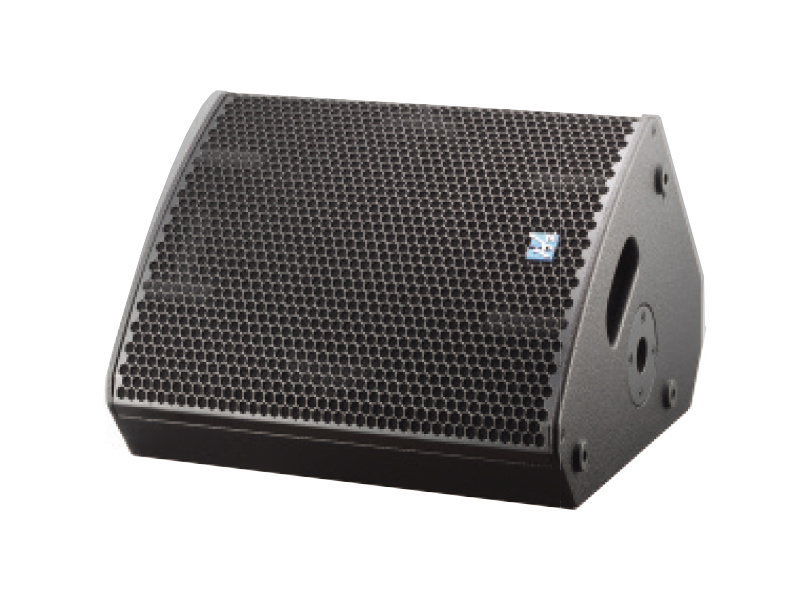
Wedge monitors are the most common type of stage monitors, named for their wedge-like shape. They're typically positioned on the stage floor and angled toward the performers, providing a clear audio feed without obstructing sightlines.
2. In-Ear Monitors (IEMs)
In-ear monitors provide a more personal solution by using earbuds to deliver audio directly into the performer’s ear. They not only enhance sound clarity but also reduce stage volume, which can lower the chances of feedback.
3. Powered Monitors
Powered monitors come with built-in amplifiers, making them easy to set up and use without requiring external amplification. This type is particularly advantageous for small venues or solo performances.
4. Passive Monitors
Passive monitors need an external amplifier to function. They are often favored for larger events where specific sound control is required, as they allow for a more robust audio setup.
The Advantages of Using Stage Monitor Speakers
Integrating stage monitor speakers into live performances offers several advantages that enhance the overall quality of the event.
1. Improved Performance Quality
Stage monitors empower performers to deliver higher-quality performances by ensuring they can hear themselves and their band clearly. This leads to better coordination, timing, and pitch.
2. Reduced Stage Volume
With the use of in-ear monitors, stage volume can be significantly reduced. This not only protects the performers' hearing but also minimizes the risk of feedback that can occur with traditional wedge monitors.
3. Enhanced Auditory Experience for the Audience
When performers can hear themselves accurately, they are less likely to make mistakes, resulting in a polished performance. This directly translates into a better auditory experience for the audience, who can enjoy a cohesive and high-quality sound.
4. Customizable Sound Experience
Stage monitor setups can be tailored to meet the individual needs of each performer. By adjusting the monitor mix, artists can prioritize the instruments and vocals they need to hear most, improving their overall comfort and effectiveness on stage.
How to Choose the Right Stage Monitor Speakers
Selecting the appropriate stage monitor speakers involves several key considerations:
1. Venue Size
The size of the venue plays a crucial role in determining the type and number of monitors needed. Larger venues may require multiple monitors, while smaller venues could effectively utilize a single unit.
2. Performer Preferences
Different performers have different preferences when it comes to sound clarity and monitoring setups. It’s essential to consider individual needs, whether they prefer in-ear monitors or traditional wedge monitors.
3. Audio Mixing Capabilities
Ensure the audio mixing console can handle the necessary outputs for the stage monitors. Some systems may require additional mixing capabilities for enhanced performance.
4. Budget Considerations
Stage monitors come in a range of prices. Establishing a budget can help narrow down options without compromising sound quality.
Setting Up Stage Monitor Speakers for Optimal Performance
Proper setup of stage monitor speakers is vital for maximizing sound quality and performance efficacy.
1. Positioning the Monitors
Wedge monitors should be placed at an angle that allows performers to hear them without obstructing visibility. For in-ear monitors, customize the mix to cater to each performer’s preferences.
2. Adjusting the Sound Levels
Sound levels should be adjusted to avoid feedback while ensuring clarity. Regular sound checks prior to performances can help achieve the right balance.
3. Implementing Proper Cabling
Using high-quality cables is essential to minimize signal loss and interference. Ensure all cables are securely connected and free from potential hazards.
Common Challenges with Stage Monitor Speakers
While stage monitor speakers are invaluable, they are not without their challenges.
1. Feedback Issues
Feedback can occur when the monitor is too loud or poorly positioned. Finding the right balance and angle can mitigate this common issue.
2. Sound Quality Variation
Different monitors can produce varying sound qualities. It’s important to choose monitors that can consistently deliver the sound clarity required for the performance.
3. Complicated Setups
Complex setups with multiple monitors can be challenging to manage. Streamlining the system and ensuring all performers are familiar with the setup can alleviate complications.
Frequently Asked Questions (FAQs)
1. What are the main benefits of using stage monitor speakers?
Stage monitor speakers provide performers with clear audio feedback, enhance performance quality, reduce stage volume, and create a more enjoyable experience for the audience.
2. How do I choose between wedge monitors and in-ear monitors?
Your choice depends on personal preference, performance style, and the specific requirements of your venue. Wedge monitors are better for a traditional setup, while in-ear monitors offer more control and reduced stage noise.
3. Can I use stage monitor speakers in smaller venues?
Yes, stage monitor speakers can be used in smaller venues. Choosing the right type, such as powered monitors, can be effective for intimate performances.
4. How can I prevent feedback from stage monitors?
To prevent feedback, position monitors correctly, adjust sound levels, and use high-quality microphones and cables.
5. Are passive monitors better than powered monitors?
It depends on the specific needs of the performance. Passive monitors offer more flexibility with external amplification, while powered monitors are simpler to set up and use.
Conclusion
In conclusion, stage monitor speakers play a pivotal role in enhancing the quality of live performances. By providing clear audio feedback, allowing for personalized sound control, and improving communication among performers, they undoubtedly elevate the experience for both artists and audiences. Whether you are a seasoned musician or a novice performer, understanding and utilizing the right stage monitor speakers can make a significant difference in your live sound experience. Investing in quality monitoring systems not only supports the performers but also enriches the audience's enjoyment, creating memorable performances that resonate long after the last note fades.
PREVIOUS:

CONTACT
Hzaudio Office Address: 16 st joins ave, mont Albert, Vic 3127, Australia
Hzaudio Lab Address: No. 455, Fuyi Road, Dalong Street, Panyu District, Guangzhou, China
Tel: +86 20-34882578 Cell:+86 18620144731
E-mail: sale@hzaudio.com
Follow Us On Wechat!