

Mastering Live Sound Speakers: Customizing Settings for Every Genre
Mastering Live Sound Speakers: Customizing Settings for Every Genre In the realm of live sound production, achieving the perfect audio experience is an art. The nuances of different music genres necessitate careful adjustments to sound systems. Each genre presents unique challenges and opportunities that can significantly impact sound quality and audience enjoyment. This article will guide you thr
Jan 16,2026
Mastering Live Sound Speakers: Customizing Settings for Every Genre
In the realm of live sound production, achieving the perfect audio experience is an art. The nuances of different music genres necessitate careful adjustments to sound systems. Each genre presents unique challenges and opportunities that can significantly impact sound quality and audience enjoyment. This article will guide you through the essential strategies for customizing live sound speaker settings for various genres, ensuring that your performances resonate beautifully with your audience.
Understanding Live Sound Systems
The Components of a Live Sound System
Before diving into genre-specific settings, it's crucial to understand the components of a live sound system. Typically, a live sound setup includes:
- Mixing Console: The brain of the operation, allowing sound engineers to adjust levels, EQ, and effects.
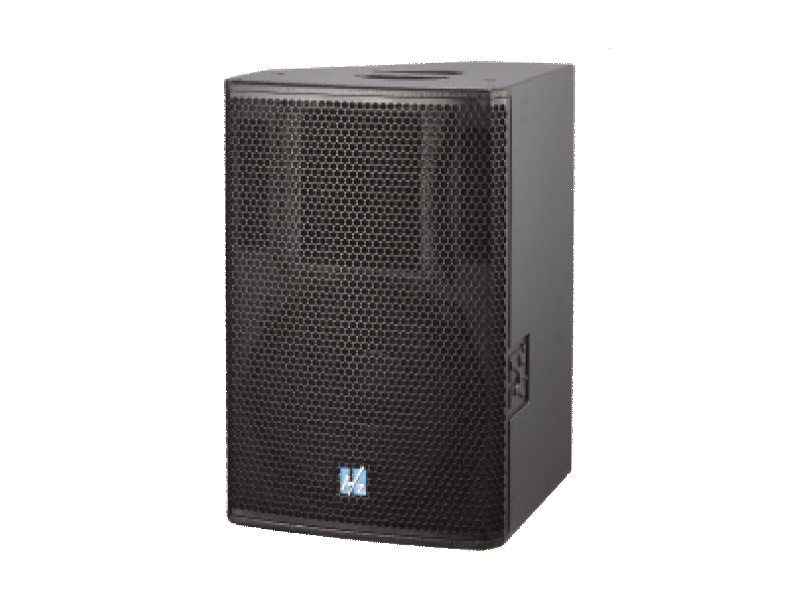
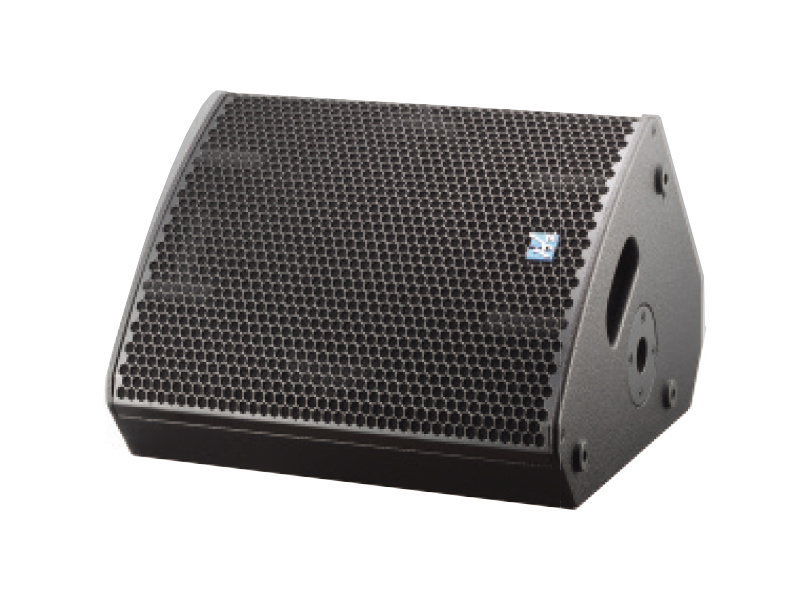
- Speakers: The output source for sound, ranging from large PA systems to stage monitors.
- Microphones: Devices capturing sound from instruments and vocals.
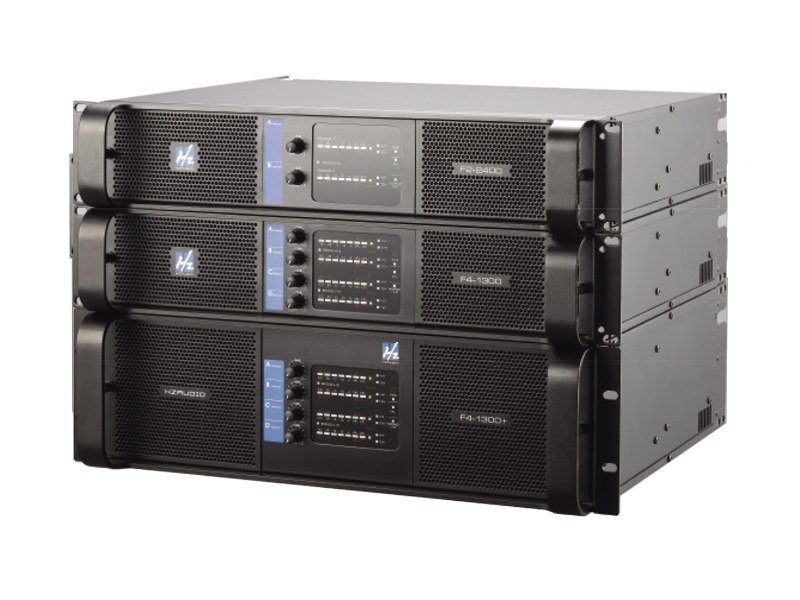
- Amplifiers: Equipment that boosts the power of audio signals sent to speakers.
- Audio Interfaces: Convert analog sound into digital signals for processing.
Importance of Customizing Speaker Settings
Live sound events are more than just amplifying audio; they create an immersive experience. Customizing speaker settings based on the genre not only enhances sound quality but also tailors the listening experience to suit the nuances of each musical style. Understanding how different frequencies interact with various instruments and vocals is key.
Customizing Settings for Different Genres
Rock Music: Power and Punch
Rock music is characterized by its powerful instrumentation and vocal presence. For live rock performances, consider the following settings:
- Equalization (EQ): Boost the mid frequencies (around 1-3 kHz) to enhance vocals and guitars. Reduce low frequencies below 80 Hz to avoid muddiness.
- Compression: Use moderate compression on vocals and snare drums to add punch without losing energy.
- Reverb: A subtle reverb can add depth, but avoid excessive amounts that may wash out the sound.
Jazz Music: Clarity and Warmth
Jazz relies on nuanced expression and dynamics. To capture the essence of jazz, consider these adjustments:
- Equalization (EQ): Emphasize low frequencies for double bass and warm mid frequencies for saxophones and guitars. Avoid harsh high frequencies to maintain a smooth sound.
- Dynamic Range: Use light compression to preserve the natural dynamics of instruments and vocals.
- Reverb: A natural, airy reverb enhances the listening experience without overpowering the instruments.
Electronic Music: Precision and Impact
Electronic music involves intricate production techniques and heavy bass. For optimal sound, focus on these settings:
- Equalization (EQ): Boost sub-bass frequencies (around 30-60 Hz) for impactful drops. Cut mid frequencies to reduce muddiness from synth pads.
- Compression: Utilize sidechain compression to create a pumping effect, essential in many electronic genres.
- Effects: Experiment with delay and reverb to add a sense of space, but be careful not to overwhelm the mix.
Classical Music: Richness and Balance
Classical performances require a balanced and rich sound to accurately represent a wide range of instruments. Here’s how to achieve that:
- Equalization (EQ): Maintain a flat EQ for an authentic sound. Slightly boost high frequencies (above 10 kHz) to add brilliance to strings and woodwinds.
- Dynamics: Avoid heavy compression to preserve the natural dynamics of orchestral performances.
- Reverb: Use a longer reverb time to emulate the acoustics of a concert hall, enhancing the richness of the sound.
Technical Considerations for Customizing Live Sound
Speaker Placement and Room Acoustics
Speaker placement plays a vital role in achieving optimal sound. Consider the following:
- Height and Angle: Position speakers at ear level and angle them towards the audience for better sound dispersion.
- Distance from Walls: Keep speakers at least a few feet away from walls to minimize reflections and echoes.
Using Digital Signal Processors (DSP)
Digital Signal Processors (DSP) allow for intricate sound shaping through advanced EQ settings and effects. Familiarize yourself with your DSP to:
- Analyze frequency response and make precise adjustments.
- Store presets for different genres, allowing for quick changes during performances.
Best Practices for Live Sound Engineers
Conducting Sound Checks
Sound checks are crucial for ensuring the system is optimized for live performances. Follow these steps:
- System Calibration: Test each component individually before integrating everything into a cohesive sound.
- Monitor Levels: Ensure that all levels are balanced across instruments and vocals for a harmonious mix.
Listening and Adapting
As a sound engineer, active listening is vital. Pay attention to audience reactions and be ready to make real-time adjustments. A responsive sound engineer can transform a good performance into an unforgettable experience.
Common Challenges in Live Sound Customization
Feedback Issues
Feedback is a common challenge in live sound that can ruin a performance. To minimize feedback:
- Microphone Placement: Position microphones away from speakers to reduce the chances of feedback loops.
- Use of EQ: Cut frequencies that are prone to feedback during sound checks.
Handling Unexpected Variables
Live performances often come with unexpected challenges, such as unplanned changes in acoustics or equipment failures. Stay prepared by:
- Having backup gear ready to deploy.
- Maintaining clear communication with performers and crew to adapt quickly to changes.
FAQs About Live Sound Speaker Customization
1. How do I know which EQ settings to use for different genres?
Experiment with different settings during rehearsals. Each genre has its characteristics, and adjusting EQ can significantly affect the overall sound.
2. Can I use the same speaker settings for all genres?
While some settings may overlap, each genre typically requires specific adjustments to ensure optimal sound quality.
3. What is the best way to prevent feedback during live performances?
Ensure proper microphone placement, use directional microphones, and make necessary EQ adjustments to cut problematic frequencies.
4. How do room acoustics affect live sound?
Room acoustics can significantly impact sound quality. Hard surfaces can create reflections, while soft surfaces can absorb sound, affecting clarity and volume.
5. What tools can help in customizing live sound settings?
Utilize software for sound analysis, digital mixers with built-in DSP capabilities, and audio interfaces for precise adjustments.
Conclusion
Customizing live sound speaker settings for different genres is a crucial skill that can elevate the audio experience for both performers and audiences. By understanding the nuances of each genre and utilizing appropriate techniques, sound engineers can create a rich, immersive environment that resonates with listeners. Through careful EQ adjustments, dynamic control, and effective use of effects, you can master the art of live sound customization. Embrace the challenges, adapt to the environment, and strive for excellence in every performance.

CONTACT
Hzaudio Office Address: 16 st joins ave, mont Albert, Vic 3127, Australia
Hzaudio Lab Address: No. 455, Fuyi Road, Dalong Street, Panyu District, Guangzhou, China
Tel: +86 20-34882578 Cell:+86 18620144731
E-mail: sale@hzaudio.com
Follow Us On Wechat!