

The Importance of Stage Monitor Speakers in Live Sound Setup
The Importance of Stage Monitor Speakers in Live Sound Setup Table of Contents Understanding Stage Monitor Speakers The Role of Stage Monitor Speakers in Live Performance Types of Stage Monitor Speakers Benefits of Using Stage Monitor Speakers Best Practices for Stage Monitor Setup Troubleshooting Common Issues with Stage Monitors Choosing the Right Stage Monitors for Your Setup
Jan 18,2026
The Importance of Stage Monitor Speakers in Live Sound Setup
Table of Contents
- Understanding Stage Monitor Speakers
- The Role of Stage Monitor Speakers in Live Performance
- Types of Stage Monitor Speakers
- Benefits of Using Stage Monitor Speakers
- Best Practices for Stage Monitor Setup
- Troubleshooting Common Issues with Stage Monitors
- Choosing the Right Stage Monitors for Your Setup
- Frequently Asked Questions
- Conclusion
Understanding Stage Monitor Speakers
Stage monitor speakers are vital components that enhance the auditory experience during live performances. These speakers allow performers to hear themselves and other musicians clearly, enabling them to deliver quality performances. Unlike traditional PA speakers, which project sound to the audience, stage monitors focus on providing sound to the performers on stage.
The Components of Stage Monitor Speakers
A typical stage monitor consists of several key components:
- **Drivers**: These are responsible for converting electrical signals into sound. The size and type of drivers can significantly affect sound quality.
- **Crossover**: This component directs different frequency ranges to the appropriate drivers, ensuring balanced sound reproduction.
- **Enclosure**: The design of the enclosure affects the speaker's acoustics. A well-designed enclosure minimizes distortion and maximizes sound projection.
The Role of Stage Monitor Speakers in Live Performance
Stage monitor speakers play a pivotal role in ensuring performers can deliver top-notch performances. They provide musicians with the necessary audio feedback to adjust their sound, timing, and volume levels.
Enhancing Performer Confidence
When musicians can hear themselves clearly, it boosts their confidence, allowing them to focus on their performance rather than struggling to catch faint sounds from other instruments. This clarity is especially crucial in larger venues where sound can become muddied.
Providing Directional Sound
Stage monitors are strategically placed to provide directional sound, ensuring that performers receive sound from the appropriate angles. This setup helps minimize feedback and allows artists to maintain a sense of spatial awareness during their performance.
Types of Stage Monitor Speakers
Understanding the different types of stage monitor speakers can aid in selecting the right equipment for your setup. Here are the primary types:
Wedge Monitors
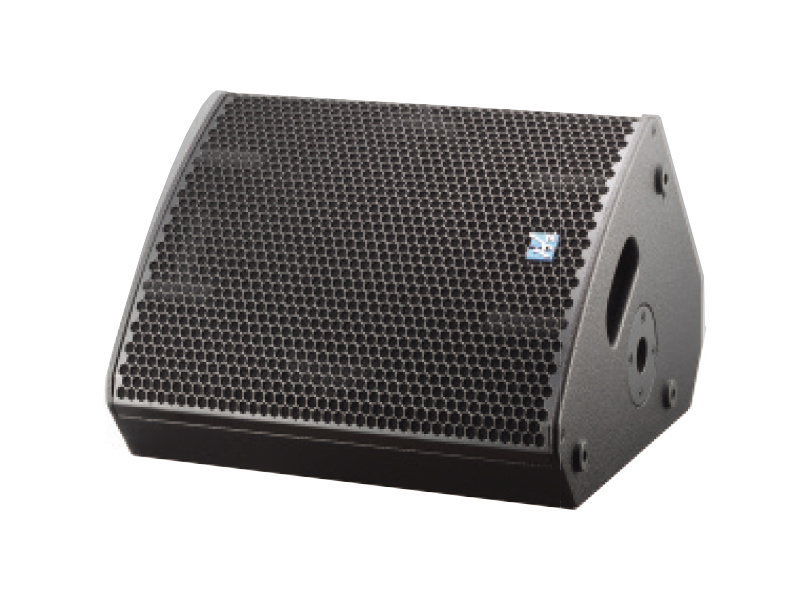
Wedge monitors are the most common type of stage monitors. They are angled to direct sound towards the performer while minimizing obstruction. These monitors are typically larger and can handle higher volumes, making them suitable for rock concerts and larger performances.
In-Ear Monitors (IEMs)
In-ear monitors consist of small earpieces that fit snugly in the ear canal, providing a personal sound mix to the performer. IEMs are popular for their ability to isolate sound, reduce stage noise, and prevent feedback. They also offer mobility, allowing performers to move freely on stage.
Floor Monitors
Floor monitors are similar to wedge monitors but are usually more compact. They are designed to sit flat on the stage and project sound upwards. These monitors are ideal for smaller venues or acoustic sets where space is limited.
Active vs. Passive Stage Monitors
When choosing stage monitors, one must consider whether to opt for active or passive models.
- **Active monitors** have built-in amplifiers, making them convenient for quick setups.
- **Passive monitors** require external amplifiers, offering more flexibility in sound customization.
Benefits of Using Stage Monitor Speakers
The benefits of incorporating stage monitor speakers into your live sound setup are extensive and essential for achieving superior audio quality.
Improved Sound Clarity
Using stage monitors enhances sound clarity for performers. This clarity helps them hear their instruments and vocals more effectively, facilitating better performances.
Reduced Feedback
When properly positioned, stage monitor speakers can minimize feedback issues that often plague live performances. This reduction is crucial in maintaining sound quality and preventing disruptions during the show.
Customizable Mixes
Stage monitors allow performers to customize their sound mix, ensuring they can hear their preferred levels of vocals, instruments, or backing tracks. This flexibility is particularly valuable in multi-artist performances where each musician may have unique preferences.
Best Practices for Stage Monitor Setup
To maximize the effectiveness of stage monitor speakers, adhere to these best practices:
Proper Placement
Positioning stage monitors at appropriate angles and distances from performers is critical. Placing them too close may lead to feedback, while positioning them too far can hinder sound clarity.
Tailored Sound Mixes
Work closely with sound engineers to create tailored sound mixes for each performer. Regularly adjusting the mix based on feedback will enhance the overall auditory experience.
Monitor Calibration
Regularly calibrate stage monitors to ensure they function optimally. This calibration will help maintain consistent sound quality and prevent potential issues during performances.
Troubleshooting Common Issues with Stage Monitors
Even with proper setup and equipment, issues may arise during live performances. Here are common problems and their solutions:
Feedback Problems
If you experience feedback, try repositioning the monitor or adjusting the levels. Reducing the monitor volume can also help mitigate feedback.
Sound Imbalance
If performers report a lack of clarity or a sound imbalance, revisit the sound mix and make necessary adjustments. Ensure each performer’s preferences are taken into account.
Choosing the Right Stage Monitors for Your Setup
Selecting the right stage monitors is crucial for achieving the best sound quality. Consider the following factors:
Venue Size
For larger venues, opt for more powerful wedge monitors that can project sound effectively. In contrast, smaller venues may benefit from more compact models.
Musical Genre
Different genres may require specific sound characteristics. For instance, rock bands may prefer high-volume wedge monitors, while solo acoustic performers might benefit from in-ear monitors.
Budget Considerations
Establishing a budget is essential. Although investing in high-quality monitors is vital, various options are available to suit different price ranges. Focus on finding the best value for your needs.
Frequently Asked Questions
1. What is the main purpose of stage monitor speakers?
Stage monitor speakers provide sound feedback to performers, helping them hear themselves and other musicians during live performances.
2. How can I reduce feedback from stage monitors?
To reduce feedback, position monitors properly, adjust volume levels, and consider using in-ear monitors for better isolation.
3. Are in-ear monitors better than wedge monitors?
In-ear monitors offer better sound isolation and mobility but may not be suitable for every performer. The choice depends on individual preferences and performance requirements.
4. Can I use regular speakers as stage monitors?
While it’s possible, using regular speakers may not provide the necessary clarity or feedback needed for live performances. Dedicated stage monitors are designed specifically for this purpose.
5. What factors should I consider when setting up stage monitors?
Consider proper placement, tailored sound mixes for each performer, and regular calibration to ensure optimal performance.
Conclusion
Stage monitor speakers are integral to live sound setups, significantly impacting performers' ability to deliver exceptional performances. By understanding their importance, types, benefits, and best practices for setup, sound engineers and performers can work together to create the best auditory experience. Investing in the right stage monitors tailored to your specific needs will not only enhance the performers' experience but also elevate the overall quality of the live show, ensuring audiences leave with lasting memories.

CONTACT
Hzaudio Office Address: 16 st joins ave, mont Albert, Vic 3127, Australia
Hzaudio Lab Address: No. 455, Fuyi Road, Dalong Street, Panyu District, Guangzhou, China
Tel: +86 20-34882578 Cell:+86 18620144731
E-mail: sale@hzaudio.com
Follow Us On Wechat!