

Stage Monitor Speakers: The Ultimate Buying Guide for Superior Sound Quality
Stage Monitor Speakers: A Comprehensive Buying Guide Table of Contents Understanding Stage Monitor Speakers The Importance of Stage Monitor Speakers in Live Performances Types of Stage Monitor Speakers Active vs. Passive Monitors Wedge Monitors In-Ear Monitors Line Array Monitors Key Features to Consider When Buying
Jan 24,2026
Stage Monitor Speakers: A Comprehensive Buying Guide
Table of Contents
- Understanding Stage Monitor Speakers
- The Importance of Stage Monitor Speakers in Live Performances
- Types of Stage Monitor Speakers
- Key Features to Consider When Buying Stage Monitor Speakers
- Top Brands in Stage Monitor Speakers
- Best Stage Monitor Speakers of 2023
- Setting Up Your Stage Monitor Speakers
- Maintenance and Care Tips for Longevity
- FAQs
- Conclusion
Understanding Stage Monitor Speakers
Stage monitor speakers are an essential component of live audio performance. They allow musicians and performers to hear themselves and their bandmates clearly, ensuring a cohesive sound during a show. Unlike traditional speakers, stage monitors are designed to be placed on the floor or at an angle so that performers can effectively hear the audio mix from the audience's perspective.
The Importance of Stage Monitor Speakers in Live Performances
Effective communication on stage is critical for a successful performance. Stage monitor speakers provide real-time audio feedback to musicians, helping them stay in sync with one another. Without proper monitoring, a performer may struggle to maintain pitch or timing, leading to an overall lackluster performance. Moreover, high-quality stage monitor speakers can significantly enhance a performance's sound quality, offering clarity and balance that can elevate the audience's experience.
Types of Stage Monitor Speakers
When shopping for stage monitor speakers, you’ll encounter various types. Understanding the differences can help you make an informed decision based on your specific needs.
Active vs. Passive Monitors
Active monitors come with built-in amplifiers, making them a convenient choice for quick setups. They are often more compact and user-friendly. In contrast, passive monitors require an external amplifier, which allows for more customization in terms of sound but may complicate setup.
Wedge Monitors
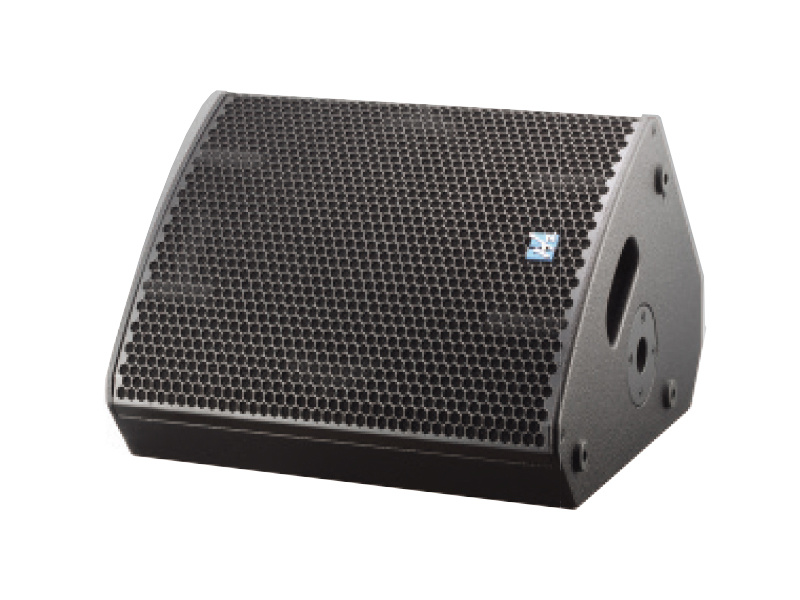
Wedge monitors are the most common type used in live performances. They are shaped like a wedge, allowing them to be placed on the stage floor at an angle. This design helps to direct sound towards the performer while minimizing feedback.
In-Ear Monitors
In-ear monitors (IEMs) are a popular choice for artists who want a more personal monitoring experience. They fit snugly in the ear canal, providing isolation from ambient noise. This type of monitoring allows for greater control over the mix and is often preferred in larger venues.
Line Array Monitors
Line array monitors consist of multiple speakers arranged vertically to create a more extensive sound field. They are typically used in larger venues where sound needs to reach a wider audience area. These monitors can provide excellent clarity and coverage.
Key Features to Consider When Buying Stage Monitor Speakers
When selecting stage monitor speakers, several key features should be considered to ensure that you choose the best model for your needs.
Sound Quality
The most critical aspect of any monitor speaker is sound quality. Look for speakers that reproduce audio with clarity and balance, allowing performers to hear every detail in their mix.
Power Handling Capacity
Understanding the power handling capacity of your speakers is vital. It measures how much power a speaker can handle without distortion or damage. Make sure to choose speakers that can work well with the amplifier you plan to use.
Portability and Weight
If you plan to transport your stage monitor speakers frequently, consider their weight and portability. Opt for lightweight models that come with handles or cases for easier transport.
Durability
Performing in various environments can subject stage monitors to wear and tear. Look for models constructed from sturdy materials that can withstand the rigors of performance life.
Top Brands in Stage Monitor Speakers
Several brands are known for their quality stage monitor speakers, including:
1. **Yamaha**: Renowned for their clarity and durability, Yamaha monitors are a favorite among live sound engineers.
2. **Mackie**: Offering a range of affordable options without compromising on sound quality, Mackie is ideal for budget-conscious performers.
3. **JBL**: Known for their powerful performance and innovative designs, JBL monitors are popular in large venues.
4. **QSC**: QSC monitors provide exceptional sound quality and reliability, making them a top choice for professionals.
Best Stage Monitor Speakers of 2023
In 2023, several models stand out for their performance and value:
- **Yamaha DBR10**: This active monitor offers excellent sound quality and portability, making it suitable for various performance settings.
- **Mackie SRM450**: Known for its robust sound and durability, the SRM450 is perfect for both small gigs and larger venues.
- **JBL PRX812W**: With advanced Bluetooth connectivity and impressive sound quality, this model is ideal for tech-savvy performers.
- **QSC K12.2**: A powerful active monitor that delivers exceptional sound clarity, making it a favorite among professionals.
Setting Up Your Stage Monitor Speakers
Once you’ve selected your stage monitor speakers, proper setup is crucial for optimal performance. Here are some tips to ensure you get the most out of your monitors:
1. **Positioning**: Place monitors at an angle towards the performer to minimize feedback while ensuring clear sound.
2. **Mixing**: Use a digital mixer to create a customized audio mix for each performer, ensuring they hear exactly what they need.
3. **Testing**: Always conduct a sound check before the performance to ensure levels are balanced and sound quality is optimal.
Maintenance and Care Tips for Longevity
To prolong the life of your stage monitor speakers, consider the following tips:
1. **Cleaning**: Regularly clean the speakers using a soft, dry cloth to prevent dust buildup.
2. **Storage**: Store speakers in protective cases when not in use to prevent damage.
3. **Check Connections**: Periodically inspect cables and connections for wear and replace as necessary to maintain sound quality.
FAQs
1. What are stage monitor speakers used for?
Stage monitor speakers are utilized by performers to hear themselves and their bandmates during live performances.
2. How do I choose the right stage monitor speakers?
Consider factors such as sound quality, power handling capacity, portability, and durability when selecting speakers.
3. What is the difference between active and passive stage monitors?
Active monitors have built-in amplifiers, while passive monitors require an external amplifier.
4. Can I use stage monitor speakers for home use?
Yes, stage monitor speakers can be used for home audio setups, particularly for musicians who want high sound fidelity.
5. How often should I maintain my stage monitor speakers?
Regular cleaning and inspection should be done after each use, and a more thorough check should occur periodically.
Conclusion
Selecting the right stage monitor speakers is crucial for enhancing performance quality in live settings. Understanding the types of monitors available, key features to consider, and best practices for setup and maintenance will ensure you make an informed decision. By investing in quality stage monitor speakers, you can significantly improve the experience for both performers and audiences alike. With this comprehensive guide, you are now equipped to navigate the market and find the perfect monitor speakers for your needs.

CONTACT
Hzaudio Office Address: 16 st joins ave, mont Albert, Vic 3127, Australia
Hzaudio Lab Address: No. 455, Fuyi Road, Dalong Street, Panyu District, Guangzhou, China
Tel: +86 20-34882578 Cell:+86 18620144731
E-mail: sale@hzaudio.com
Follow Us On Wechat!