

Understanding Passive PA Speakers: Essential Insights for Professionals
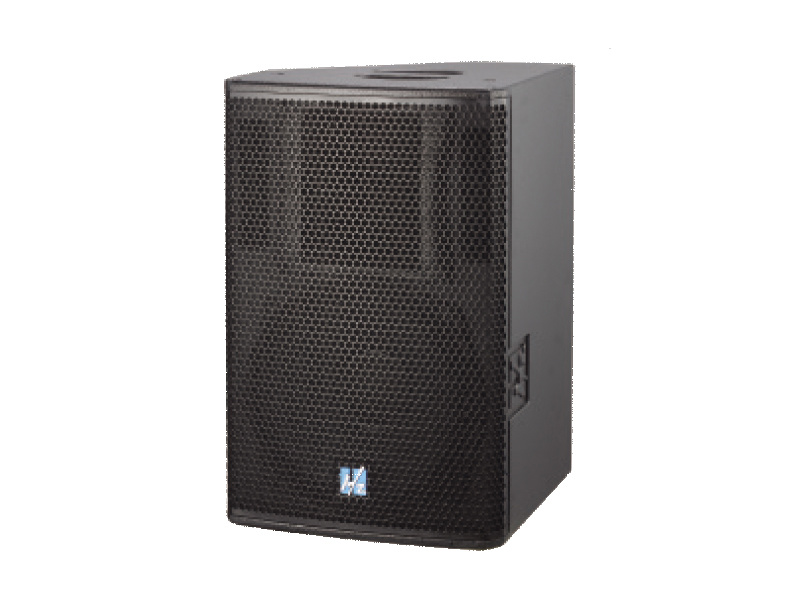
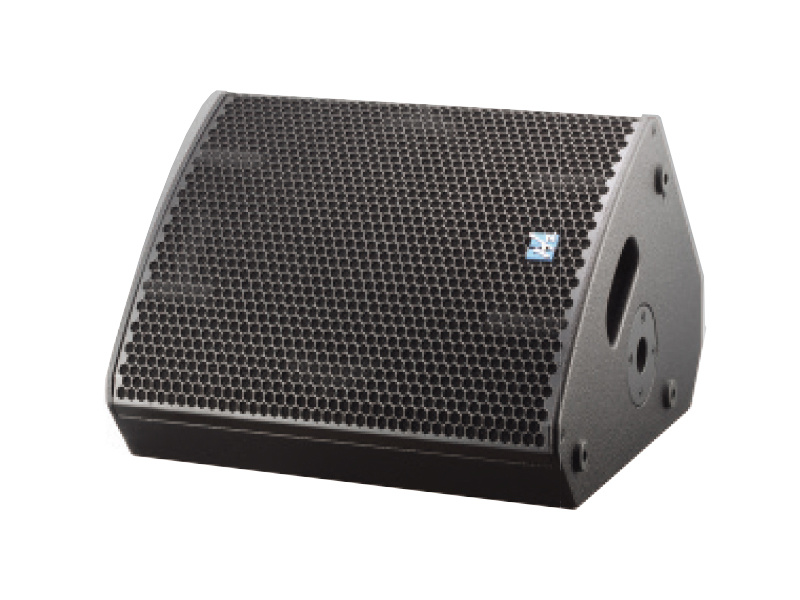
Passive PA speakers are a fundamental aspect of professional audio systems, designed to deliver high-quality sound reproduction without the incorporation of built-in amplification. Unlike their active counterparts, which come with internal amplifiers, passive PA speakers require an external amplifier to drive the sound output. This distinction presents both advantages and considerations for audio
Feb 05,2026
One of the primary benefits of passive PA speakers is their versatility. Because they rely on external amplifiers, audio engineers and sound technicians have the flexibility to select amplifiers that best match their desired sound performance and power requirements. This customization can lead to better sound quality, as the choice of amplifier can greatly influence the overall audio output. Additionally, passive speakers often have a lighter-weight design compared to active ones, making them easier to transport and set up, which is advantageous for touring professionals.
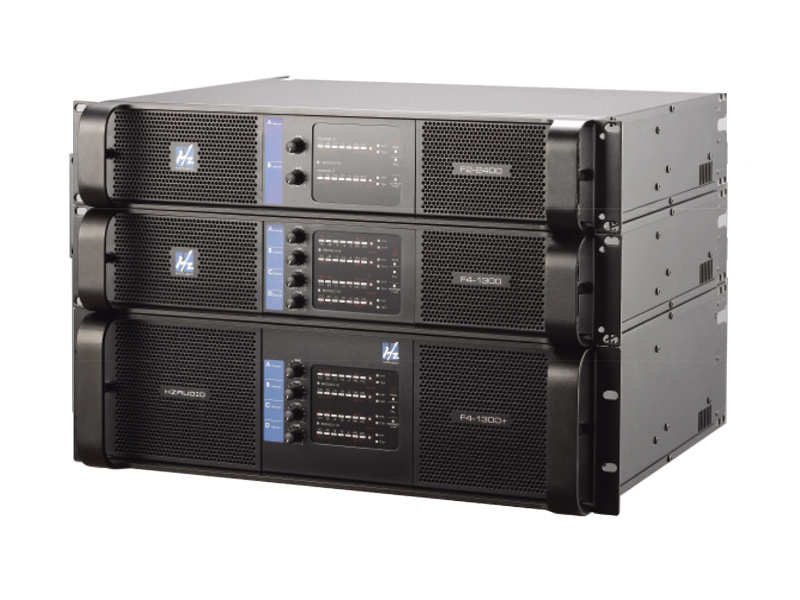
Another critical aspect of passive PA speakers is their power handling capabilities. These speakers can handle significant power levels, making them ideal for large venues and outdoor events. Professional sound engineers appreciate that passive speakers can be paired with high-output amplifiers, allowing for robust sound projection necessary for large audiences. It is essential, however, to ensure that the amplifier matches the speaker's impedance and power rating to prevent damage and achieve optimal performance.
In terms of connectivity, passive PA speakers typically utilize standard speaker wire connections, which can simplify the rigging process in complex audio setups. Furthermore, these speakers can be integrated into a broader sound system, allowing for configurations ranging from simple setups to more elaborate multi-speaker arrays. This adaptability is crucial for professionals who may need to modify their setups on the fly.
When selecting passive PA speakers, sound professionals should pay close attention to key specifications such as frequency response, sensitivity, and maximum SPL (Sound Pressure Level). These parameters will inform the speaker's capabilities and suitability for specific audio applications. Additionally, considering the build quality and materials used in the construction of the speakers can ensure durability and reliability, particularly in demanding environments.
In conclusion, passive PA speakers represent a crucial element in professional audio systems, offering flexibility, power handling, and adaptability that professionals in the industry value. By understanding their characteristics and how to integrate them effectively within an audio setup, audio engineers can craft sound experiences that resonate with audiences across various contexts. Whether for live performances or fixed installations, passive PA speakers remain a staple for achieving exceptional sound quality.

CONTACT
Hzaudio Office Address: 16 st joins ave, mont Albert, Vic 3127, Australia
Hzaudio Lab Address: No. 455, Fuyi Road, Dalong Street, Panyu District, Guangzhou, China
Tel: +86 20-34882578 Cell:+86 18620144731
E-mail: sale@hzaudio.com
Follow Us On Wechat!