

Live Sound Speakers vs. Home Speakers: Understanding the Key Differences
Live Sound Speakers: What Makes Them Different from Home Speakers? Introduction to Sound Systems In the world of audio equipment, speakers play a pivotal role in delivering sound. When discussing audio systems, two categories often come to mind: **live sound speakers** and **home speakers**. While both serve the fundamental purpose of reproducing sound, they are designed with different application
Feb 11,2026
Live Sound Speakers: What Makes Them Different from Home Speakers?
Introduction to Sound Systems
In the world of audio equipment, speakers play a pivotal role in delivering sound. When discussing audio systems, two categories often come to mind: **live sound speakers** and **home speakers**. While both serve the fundamental purpose of reproducing sound, they are designed with different applications in mind. In this article, we will delve deep into the characteristics that differentiate live sound speakers from home speakers, helping you understand which option best fits your needs.
Understanding Live Sound Speakers
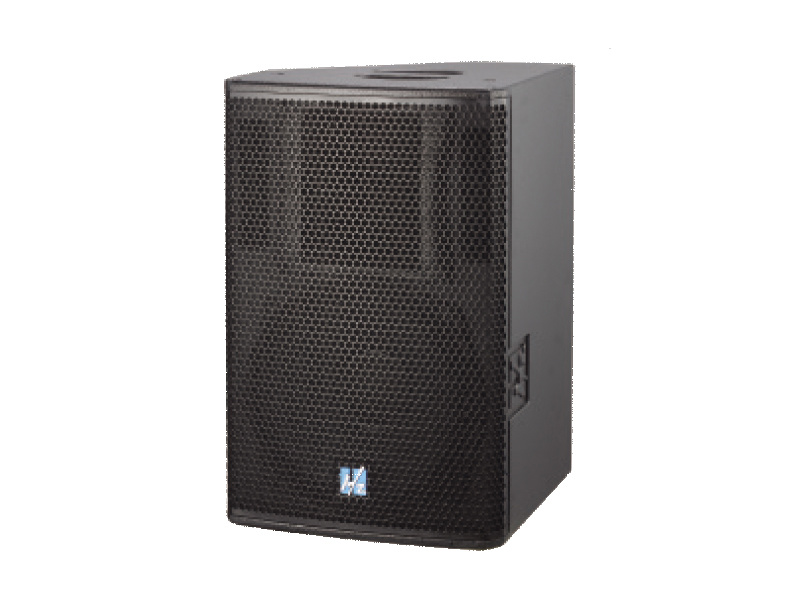
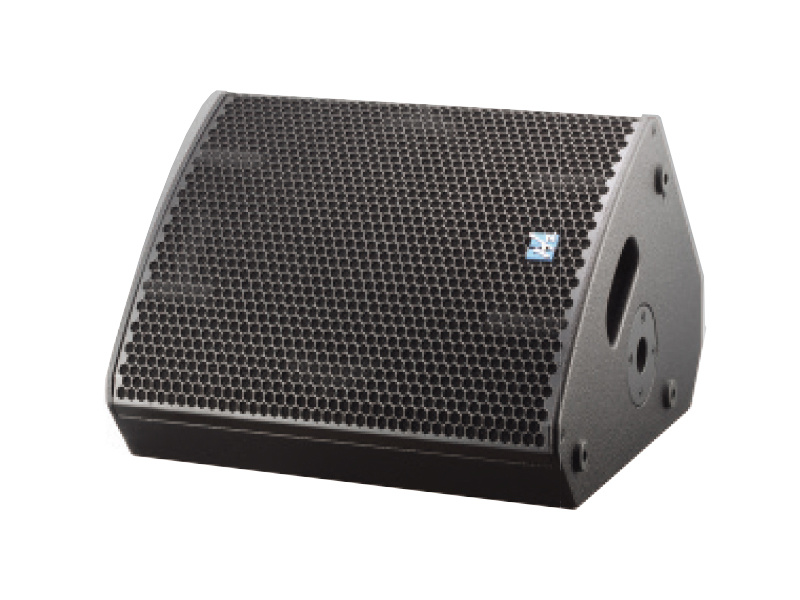
Live sound speakers, or PA (Public Address) speakers, are specifically engineered for use in live performances, events, or gatherings. These speakers are built to project sound over large distances, ensuring that every listener can hear clearly, regardless of the environment.
The Design and Build of Live Sound Speakers
Live sound speakers are typically larger and more robust than home speakers. They are designed to withstand the rigors of transportation and setup, often featuring durable materials and protective casing. The **design** of these speakers focuses on portability and durability, making them suitable for various outdoor and indoor venues.
Power Handling Capabilities
One of the standout features of live sound speakers is their power handling capacity. Designed to deliver high output levels without distortion, these speakers can handle significant wattage, making them ideal for large crowds. In contrast, home speakers are optimized for lower power levels, as they are used in smaller spaces.
Sound Pressure Level (SPL) and Sensitivity
Live sound speakers typically have a higher sound pressure level (SPL) compared to home speakers. This means they can produce louder sounds without compromising audio quality. Additionally, they often feature higher sensitivity ratings, allowing them to convert power into volume more effectively.
The Role of Home Speakers
Home speakers are designed primarily for personal listening experiences. These speakers prioritize sound quality and may not require the same power handling capabilities as live sound speakers.
Design and Aesthetics of Home Speakers
The design of home speakers often incorporates aesthetics, ensuring they blend seamlessly with home décor. They are typically smaller, more refined, and constructed with materials that enhance sound quality while looking visually appealing.
Sound Quality and Performance
Home speakers excel in delivering rich, immersive sound quality, particularly for music, movies, and gaming. Their design often allows for better bass response and clarity in mid and high frequencies, creating a balanced audio experience.
Intended Use and Environment
While live sound speakers are built for performance in varied environments, home speakers are optimized for a controlled listening space. They are designed for intimate settings, allowing for nuanced audio playback that enhances the listener's experience.
Key Differences Between Live Sound Speakers and Home Speakers
Understanding the differences between live sound speakers and home speakers is crucial for selecting the right equipment for your needs. Here are the primary distinctions:
1. Purpose and Application
Live sound speakers are intended for public performances, events, and large gatherings, while home speakers are meant for personal entertainment within a confined space.
2. Size and Portability
Live sound speakers are generally larger and designed for portability, allowing easy transport to various venues. Conversely, home speakers are typically smaller and may be fixed installations in a home setup.
3. Power and Output
Live sound speakers are built to handle higher power levels and deliver greater sound output, while home speakers are tailored for lower power consumption and optimal sound quality in smaller environments.
4. Frequency Response and Sound Quality
Live sound speakers are engineered for high SPL and clarity across a wide frequency range, while home speakers prioritize nuanced sound quality, often excelling in bass response and vocal clarity.
5. Durability and Construction
Live sound speakers are constructed to endure the demands of touring and varied environmental conditions, whereas home speakers focus on aesthetics and sound performance in a stable environment.
Choosing the Right Speaker for Your Needs
Selecting the appropriate type of speaker depends on your specific requirements. Here are some key factors to consider:
1. Assessing Your Use Case
Consider the primary purpose of the speakers. Are you looking for equipment to amplify your music at events, or do you need speakers for home entertainment? This assessment will guide your decision.
2. Evaluating Your Budget
Live sound speakers are generally more expensive due to their advanced technology and build quality. Assess your budget to determine which type of speaker aligns with your financial capabilities.
3. Understanding Room Dynamics
If you are setting up speakers for home use, consider the room's acoustics and size. Home speakers may provide a better experience in smaller spaces, while live sound speakers can be overkill in such environments.
4. Prioritizing Sound Quality vs. Volume
If sound quality is your primary concern, home speakers may be the better choice. However, if you need to fill a large venue with sound, live sound speakers are designed for that purpose.
FAQs About Live Sound Speakers and Home Speakers
1. Can I use live sound speakers at home?
Yes, you can use live sound speakers at home, but they may be too powerful for a small space, leading to potential distortion. They are designed for larger areas and events.
2. What are some reputable brands for live sound speakers?
Some reputable brands for live sound speakers include QSC, JBL, and Bose, known for their quality and performance in live settings.
3. Do home speakers provide better sound quality than live sound speakers?
Typically, home speakers offer better sound quality for personal listening due to their design and focus on audio fidelity, while live sound speakers prioritize volume and clarity at high levels.
4. How do I connect my live sound speakers to a mixer?
You can connect live sound speakers to a mixer using appropriate audio cables (XLR or TRS) to ensure optimal sound quality. Ensure your mixer has enough channel outputs for your speaker setup.
5. What should I look for in a home speaker system?
When choosing a home speaker system, consider sound quality, size, design, connectivity options, and compatibility with your audio sources.
Conclusion
In summary, understanding the differences between live sound speakers and home speakers is essential for anyone looking to enhance their audio experience. Whether you are a musician performing live or an audiophile enjoying music at home, selecting the right type of speaker is crucial. Live sound speakers are built for power, durability, and wide coverage, perfect for events, while home speakers excel in sound quality and aesthetics for personal enjoyment. By evaluating your needs and preferences, you can make an informed decision that elevates your listening experience to new heights.

CONTACT
Hzaudio Office Address: 16 st joins ave, mont Albert, Vic 3127, Australia
Hzaudio Lab Address: No. 455, Fuyi Road, Dalong Street, Panyu District, Guangzhou, China
Tel: +86 20-34882578 Cell:+86 18620144731
E-mail: sale@hzaudio.com
Follow Us On Wechat!