

Innovative Technologies in Modern Stage Monitor Speakers
Innovative Technologies in Modern Stage Monitor Speakers Table of Contents Introduction to Stage Monitor Speakers Evolution of Stage Monitor Technology Key Technologies in Modern Stage Monitors Digital Signal Processing (DSP) Active vs. Passive Monitors Wireless Technology Smart Monitoring Systems Benefits of Modern Stage Monitors
Feb 13,2026
Innovative Technologies in Modern Stage Monitor Speakers
Table of Contents
- Introduction to Stage Monitor Speakers
- Evolution of Stage Monitor Technology
- Key Technologies in Modern Stage Monitors
- Digital Signal Processing (DSP)
- Active vs. Passive Monitors
- Wireless Technology
- Smart Monitoring Systems
- Benefits of Modern Stage Monitors
- Application in Various Settings
- The Future of Stage Monitor Technology
- Conclusion
- Frequently Asked Questions (FAQs)
Introduction to Stage Monitor Speakers
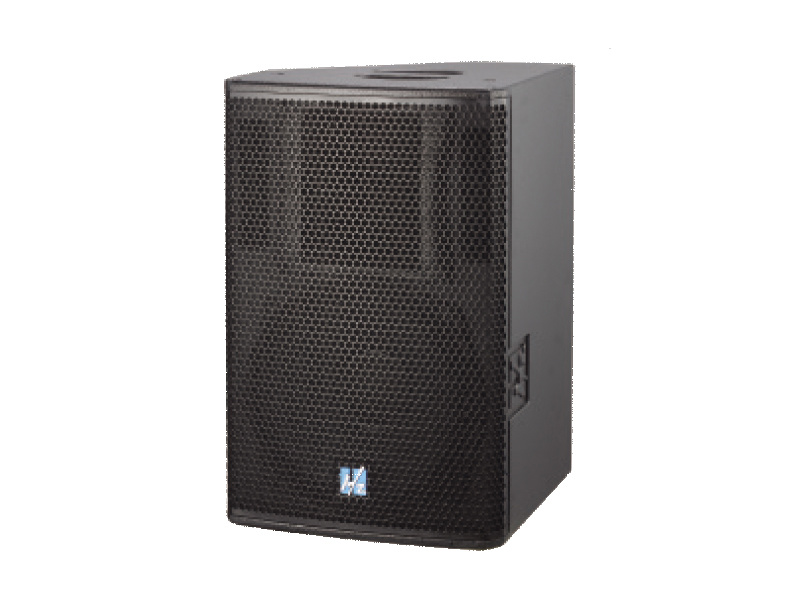
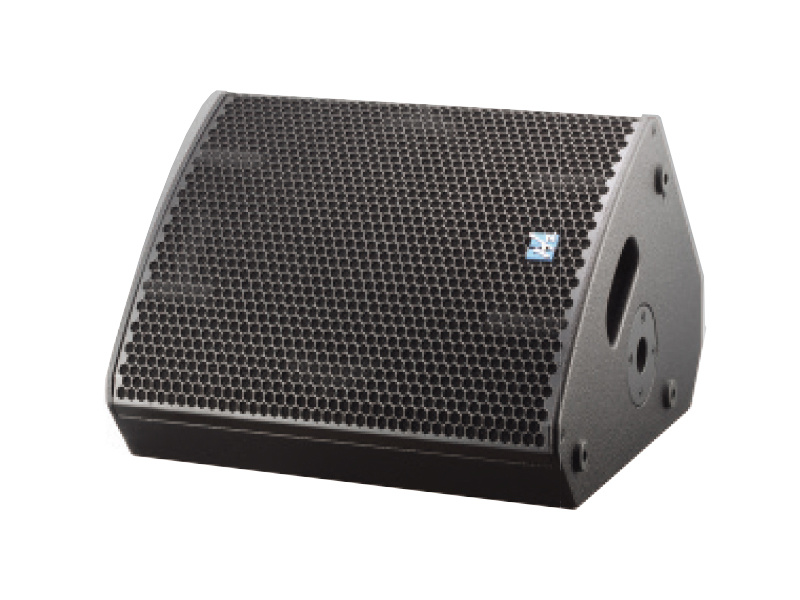
Stage monitor speakers are essential tools in the world of live sound performance. They provide artists with a personalized audio experience, ensuring they can hear themselves and their bandmates clearly. Today’s monitor speakers incorporate advanced technology, offering producers, sound engineers, and performers improved sound quality, greater control, and versatility.
As we delve into the realm of **innovative technologies** in modern stage monitor speakers, we will uncover the evolution of this equipment, key technologies that have transformed the industry, and the benefits of these advancements.
Evolution of Stage Monitor Technology
The journey of stage monitor speakers began in the 1960s, with the introduction of basic wedge-shaped monitors. Early models were often passive and provided limited control over sound. However, as technology progressed, the need for enhanced audio clarity and versatility became apparent.
In the 1980s, the development of active monitors revolutionized the stage monitor landscape. Active speakers included built-in amplifiers, allowing for better sound quality and reduced feedback. The introduction of **digital signal processing (DSP)** marked another significant milestone, enabling sound engineers to manipulate audio in real time, delivering customized sound experiences to performers.
Today, stage monitor speakers feature a plethora of innovative technologies designed to maximize performance, adaptability, and user experience.
Key Technologies in Modern Stage Monitors
Modern stage monitor speakers integrate various advanced technologies, each contributing to improved audio performance and user convenience. Below are some of the key technologies driving innovation in this field.
Digital Signal Processing (DSP)
Digital Signal Processing is a game changer in the world of stage monitors. DSP allows for real-time manipulation of audio signals, enabling sound engineers to adjust equalization (EQ), compression, delay, and other parameters.
With DSP, performers can achieve a perfect balance of sound tailored to their preferences. Moreover, DSP technology often includes automatic feedback suppression systems, which significantly reduce the chances of harmful feedback during live performances. This feature enhances the overall sound quality, ensuring clarity and richness without interruption.
Active vs. Passive Monitors
The distinction between active and passive stage monitors is crucial when selecting equipment. Active monitors come with built-in amplifiers and are designed to provide superior sound quality and efficiency. They are easier to set up and require less external equipment, making them a popular choice for live performances.
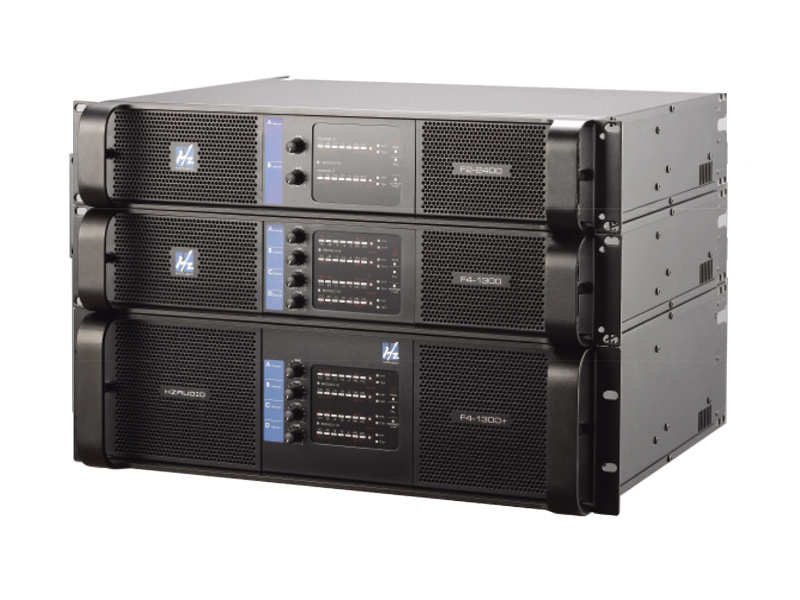
On the other hand, passive monitors require external amplifiers and are often used in larger setups where customization is vital. While they offer flexibility, they may require a more complex setup and are generally heavier.
Understanding the differences between these two types of monitors can significantly impact a sound engineer's choice based on the specific needs of a performance.
Wireless Technology
Wireless technology has transformed the way musicians interact with their monitors. Traditional wired monitors can be cumbersome, limiting movement and flexibility on stage. The advent of wireless stage monitor systems has enabled performers to move freely, enhancing their stage presence.
Wireless systems utilize radio frequencies to transmit audio signals, offering a reliable and interference-free connection. This innovation not only improves performer mobility but also allows for greater setup flexibility, making it easier to accommodate various stage configurations.
Smart Monitoring Systems
The rise of smart monitoring systems represents the next level of innovation in stage monitor technology. These systems use advanced algorithms to analyze sound and automatically adjust settings based on the acoustic environment.
Smart monitors can self-calibrate, optimizing sound delivery in real time. This technology allows performers to focus on their performance rather than spending time on sound adjustments, enhancing their overall experience. By integrating artificial intelligence (AI) in sound management, smart monitoring systems ensure top-notch audio quality tailored to specific environments.
Benefits of Modern Stage Monitors
The advancements in stage monitor technology come with numerous benefits that enhance the live performance experience for both artists and sound engineers.
1. **Improved Sound Quality**: Modern stage monitors deliver crystal-clear sound with a better frequency response. The integration of DSP technology and high-quality components ensures that every note and nuance is accurately represented.
2. **Increased Flexibility**: With options for active and passive configurations, as well as wireless capabilities, performers can customize their setups to meet their specific needs.
3. **Enhanced User Experience**: Smart monitoring systems simplify the sound adjustment process, allowing artists and sound engineers to focus on the performance rather than technical details.
4. **Reduced Feedback**: Advanced feedback suppression technologies minimize the risk of feedback, providing a seamless audio experience.
5. **Mobility**: Wireless systems enhance performer mobility, allowing for a more dynamic stage presence without the constraints of cables.
Application in Various Settings
Modern stage monitor speakers are not limited to traditional concert venues. They are also employed in various settings, including:
- **Theater Productions**: Stage monitors play a crucial role in ensuring actors and musicians can hear one another clearly, enhancing overall performance cohesion.
- **Corporate Events**: In corporate environments, clear audio is essential for presentations and speeches. Modern stage monitors ensure that speakers are heard clearly, regardless of the venue size.
- **Church Services**: Many churches rely on stage monitors for musical performances and sermons, ensuring that both the congregation and performers have an optimal listening experience.
- **Outdoor Festivals**: In outdoor settings, where acoustics can be challenging, modern stage monitors equipped with DSP and feedback suppression technologies help maintain sound clarity despite environmental variables.
The Future of Stage Monitor Technology
As technology continues to advance, the future of stage monitor speakers holds exciting possibilities. Innovations such as augmented reality (AR) and virtual reality (VR) may soon play a role in sound design and performance experiences.
Moreover, the growing trend of integrating IoT (Internet of Things) capabilities into sound equipment will allow for more connected and responsive performance setups. These advancements could lead to monitors that not only adapt to the sound environment but can also communicate with other devices for a seamless live performance experience.
As audio technology evolves, we can expect to see ongoing improvements in sound quality, user interface design, and integration capabilities, paving the way for enhanced live performance experiences.
Conclusion
The landscape of stage monitor speakers has transformed dramatically with the integration of innovative technologies. From **digital signal processing** to **smart monitoring systems**, these advancements have enhanced sound quality, flexibility, and user experience.
Modern stage monitors serve as essential tools for artists and sound engineers, facilitating seamless audio experiences in various settings. As we look ahead, the future promises even more exciting developments in this field, ensuring that stage monitor technology continues to evolve in tandem with the needs of performers and audiences alike.
Frequently Asked Questions (FAQs)
1. What are stage monitor speakers?
Stage monitor speakers are specialized audio devices used by performers to hear themselves and their bandmates clearly during live performances.
2. What is the difference between active and passive stage monitors?
Active stage monitors have built-in amplifiers, while passive monitors require external amplifiers. Active monitors are generally easier to set up and provide better sound quality.
3. How does wireless technology enhance stage monitors?
Wireless technology allows performers to move freely without being tethered to cables, improving stage presence and setup flexibility.
4. What role does digital signal processing (DSP) play in stage monitors?
DSP allows for real-time audio manipulation, enabling adjustments to equalization, compression, and feedback suppression, enhancing overall sound quality.
5. How do smart monitoring systems improve live performances?
Smart monitoring systems automatically analyze and adjust audio settings in real time, optimizing sound delivery and allowing performers to focus on their performance.

CONTACT
Hzaudio Office Address: 16 st joins ave, mont Albert, Vic 3127, Australia
Hzaudio Lab Address: No. 455, Fuyi Road, Dalong Street, Panyu District, Guangzhou, China
Tel: +86 20-34882578 Cell:+86 18620144731
E-mail: sale@hzaudio.com
Follow Us On Wechat!