

Why Every Musician Needs Quality Stage Monitor Speakers: Unlocking the Sound Experience
Why Every Musician Needs Quality Stage Monitor Speakers Introduction: The Sound of Success In the world of music, sound is everything. The way musicians hear themselves on stage can significantly affect their performance. This is where **quality stage monitor speakers** come into play. They not only serve to amplify the sound but also greatly influence the artist's overall experience and connectio
Feb 25,2026
Why Every Musician Needs Quality Stage Monitor Speakers
Introduction: The Sound of Success
In the world of music, sound is everything. The way musicians hear themselves on stage can significantly affect their performance. This is where **quality stage monitor speakers** come into play. They not only serve to amplify the sound but also greatly influence the artist's overall experience and connection with their audience. In this article, we will explore the vital role that these speakers play in a musician's performance, and why investing in high-quality equipment is crucial for success.
The Importance of Stage Monitor Speakers
What Are Stage Monitor Speakers?
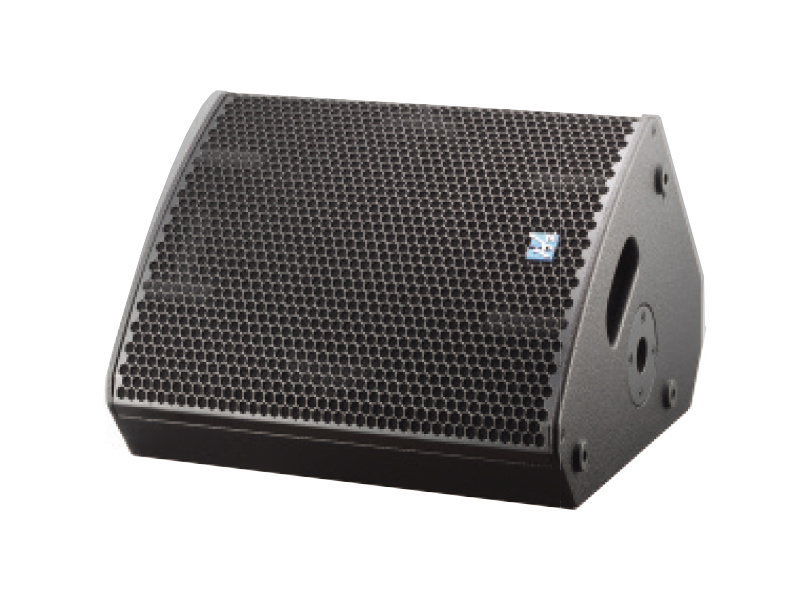
Stage monitor speakers, often referred to as monitor wedges, are specialized audio devices used to allow performers to hear their own sound during live performances. Unlike traditional speakers that project sound towards the audience, monitors are designed to face the musicians, providing them with a clear representation of their vocals or instrumentals.
Why Musicians Rely on Monitors
When performing live, musicians need to maintain pitch, timing, and overall sound quality. Without proper monitoring, they may struggle with these aspects, leading to a subpar performance. Quality stage monitor speakers serve several key functions:
1. **Clarity**: Quality monitors provide clear sound reproduction, enabling musicians to hear their vocals and instruments accurately.
2. **Feedback Control**: Well-designed monitors minimize feedback, allowing for a more controlled sound environment.
3. **Personalization**: Musicians can adjust their monitor levels to suit their specific needs, making for a more comfortable performance.
Types of Stage Monitor Speakers
Passive vs. Active Monitors
Understanding the types of monitor speakers available is crucial for making an informed decision. There are two primary types: passive and active monitors.
- **Passive Monitors**: These speakers require an external amplifier to function. They tend to be more customizable but may require additional equipment.
- **Active Monitors**: Equipped with built-in amplifiers, active monitors are easier to set up and use. They often provide superior sound quality and are more popular among touring musicians.
Wedge Monitors vs. In-Ear Monitors
Musicians also have the option of choosing between wedge monitors and in-ear monitors (IEMs).
- **Wedge Monitors**: These speakers are typically placed on the stage floor facing the musician. They are great for providing a loud, full sound but can take up space on stage.
- **In-Ear Monitors**: These devices fit snugly in the ear, providing a direct sound experience. They allow for greater freedom of movement and reduce stage volume, but they require a reliable wireless system.
The Advantages of High-Quality Stage Monitor Speakers
Enhanced Sound Quality
One of the most compelling reasons to invest in high-quality stage monitor speakers is the enhanced **sound quality** they provide. Top-tier models deliver superior frequency response, allowing musicians to hear every nuance of their performance. This level of clarity is invaluable, especially in genres that rely on intricate musical details, such as jazz or classical.
Improved Performance and Confidence
When musicians can hear themselves clearly, they perform with greater confidence. Quality stage monitors help reduce anxiety, allowing artists to focus on their performance rather than worrying about whether they can hear themselves. This mental clarity can lead to more captivating stage presence and ultimately a better connection with the audience.
Durability and Reliability
Quality stage monitor speakers are typically built to withstand the rigors of live performances. These robust designs ensure that the equipment can function flawlessly, show after show. Investing in reliable gear means fewer technical difficulties during performances, which can be disruptive and detrimental to the artist’s reputation.
How to Choose the Right Stage Monitor Speakers
Assess Your Needs
Before making a purchase, it is essential to identify your specific needs as a musician. Consider the following factors:
1. **Type of Music**: Different genres may require different monitoring setups. For example, a rock band may benefit from powerful wedge monitors, while a solo acoustic artist might prefer in-ear monitors.
2. **Performance Environment**: The size of the venue and the nature of the performance will influence the type of monitors needed. Larger venues may require more robust systems to ensure sound reaches the artist appropriately.
Consider Your Budget
Quality stage monitor speakers can vary significantly in price. Determine a budget that allows for quality without compromising on essential features. Remember that investing in reliable monitors is an investment in your musical career.
Research and Read Reviews
Before making a purchase, research various brands and models. Reading reviews from other musicians can provide valuable insights into performance, durability, and sound quality. Pay attention to feedback regarding ease of use and technical specifications.
Setting Up Your Stage Monitor Speakers
Optimal Placement
Proper placement of stage monitor speakers can greatly enhance performance. Generally, monitors should be positioned at ear level and angled towards the musician. This positioning ensures that the sound is directed correctly and avoids any unnecessary distortion.
Adjusting the Sound Levels
Once the monitors are in place, it’s essential to adjust the sound levels to suit individual preferences. Every musician has unique requirements regarding volume and EQ settings. Taking the time to fine-tune these elements can significantly impact performance quality.
Maintaining Your Stage Monitor Speakers
Regular Cleaning and Inspection
To prolong the life of your stage monitor speakers, regular maintenance is crucial. Clean the speakers after each use and inspect them for any signs of damage. Keeping connections secure and monitoring cables for wear and tear will ensure optimal performance.
Updating Firmware and Software
If using active monitors with built-in technology, it’s important to keep firmware and software updated. Manufacturers often release updates to enhance performance and fix any bugs, ensuring that your equipment remains at peak functionality.
FAQs About Stage Monitor Speakers
1. Why do I need stage monitors if I have a PA system?
While a PA system amplifies sound for the audience, stage monitors allow musicians to hear themselves clearly on stage. This distinction is critical for performance quality.
2. Can I use studio monitors as stage monitors?
Studio monitors are designed for different environments and may not provide the same sound projection needed for live performances. It's best to use monitors specifically designed for stage use.
3. How do I choose between wedge monitors and in-ear monitors?
The choice largely depends on personal preference and performance style. Wedge monitors provide a full sound but can take up space, while in-ear monitors offer mobility and reduced stage volume.
4. What brands are reputable for stage monitor speakers?
Several brands are known for their quality stage monitor speakers, including Yamaha, Mackie, QSC, and Behringer. It’s essential to compare models and read user reviews.
5. How can I minimize feedback from my stage monitors?
To minimize feedback, ensure that monitors are positioned correctly, use proper EQ settings, and avoid placing microphones too close to the speakers.
Conclusion: Elevating Your Music Experience
Investing in quality stage monitor speakers is not just about hearing oneself better; it’s about elevating the entire musical experience. The right monitors can enhance clarity, instill confidence, and reduce technical difficulties, allowing musicians to focus on what they do best: performing. Every musician, whether a seasoned professional or an aspiring artist, should prioritize the quality of their stage monitor speakers to ensure a fulfilling and successful performance. Embracing this crucial aspect of live music can make all the difference in connecting with the audience and delivering an unforgettable experience.

CONTACT
Hzaudio Office Address: 16 st joins ave, mont Albert, Vic 3127, Australia
Hzaudio Lab Address: No. 455, Fuyi Road, Dalong Street, Panyu District, Guangzhou, China
Tel: +86 20-34882578 Cell:+86 18620144731
E-mail: sale@hzaudio.com
Follow Us On Wechat!