

Understanding the Role of Stage Monitor Speakers in Live Events: Elevating Performance Quality
Understanding the Role of Stage Monitor Speakers in Live Events: Elevating Performance Quality Table of Contents 1. Introduction to Stage Monitor Speakers 2. The Importance of Stage Monitor Speakers in Live Events 3. How Stage Monitor Speakers Work: An Overview 4. Different Types of Stage Monitor Speakers 5. Benefits of Using Stage Monitor Speakers 6. Best Practices for Us
Mar 15,2026
Understanding the Role of Stage Monitor Speakers in Live Events: Elevating Performance Quality
Table of Contents
- 1. Introduction to Stage Monitor Speakers
- 2. The Importance of Stage Monitor Speakers in Live Events
- 3. How Stage Monitor Speakers Work: An Overview
- 4. Different Types of Stage Monitor Speakers
- 5. Benefits of Using Stage Monitor Speakers
- 6. Best Practices for Using Stage Monitor Speakers Effectively
- 7. Troubleshooting Common Issues with Stage Monitor Speakers
- 8. Conclusion: The Essential Role of Stage Monitor Speakers in Successful Live Events
- 9. Frequently Asked Questions
1. Introduction to Stage Monitor Speakers
In the world of live performances, **stage monitor speakers** play a critical role in ensuring that artists deliver their best performances. These specialized speakers allow performers to hear themselves and the accompanying musicians clearly, which is essential for maintaining pitch, timing, and overall musical harmony. By providing a tailored audio experience, stage monitors enhance the quality of live events, ensuring both performers and audiences have an unforgettable experience.
2. The Importance of Stage Monitor Speakers in Live Events
Stage monitor speakers are not just an accessory; they are a vital component of any live performance setup. Without them, performers risk losing synchronization and may even struggle to hit the correct notes. Here are some key reasons why stage monitor speakers are essential:
2.1 Enhanced Sound Clarity
Stage monitors allow performers to hear the intricacies of their music, ensuring that every note and rhythm is accurately rendered. This clarity is crucial for both vocalists and instrumentalists.
2.2 Improved Performance Confidence
When artists can hear themselves clearly, their confidence skyrockets. This confidence translates into better performances, leading to a more engaging experience for the audience.
2.3 Audience Engagement
Equipped with proper stage monitoring, artists can focus on their delivery and connection with the audience. This leads to more dynamic performances and increased audience enjoyment.
3. How Stage Monitor Speakers Work: An Overview
Understanding the mechanics behind stage monitor speakers is essential for optimizing their effectiveness. These speakers function by receiving audio signals from the soundboard and projecting them back to the performers on stage.
3.1 Audio Signal Flow
Stage monitors are typically fed audio signals from the mixing console through a dedicated output. The sound engineer adjusts the levels for each performer, ensuring everyone hears the mix they need.
3.2 Directional Sound Design
Unlike standard speakers, stage monitors are designed to direct sound towards the performers while minimizing sound leakage into the audience area. This focus allows for clear audio feedback without disturbing the audience.
4. Different Types of Stage Monitor Speakers
Stage monitors come in various types, each serving a specific purpose and offering unique benefits. Understanding these types can help event planners choose the right monitors for their productions.
4.1 Wedge Monitors
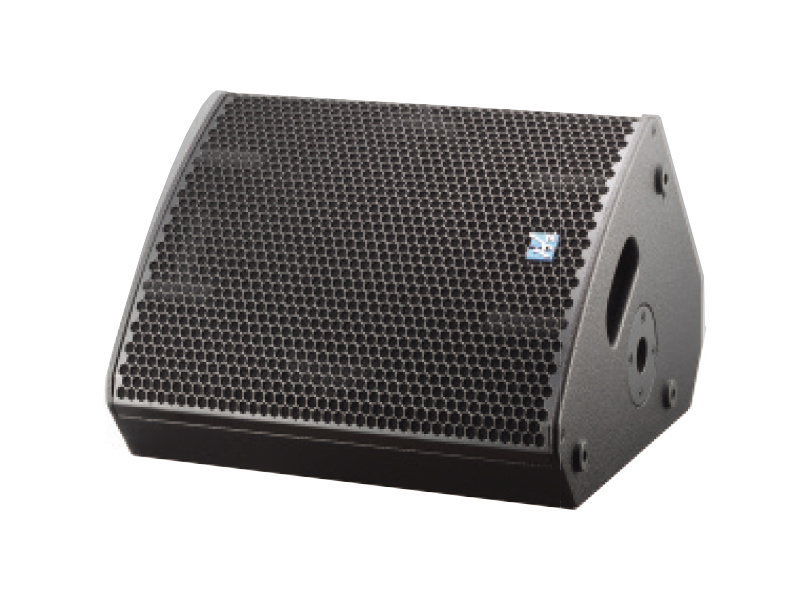
Wedge monitors are the most common type, featuring a triangular design that can be positioned on the stage floor. They provide a powerful sound projection and are often used in smaller venues.
4.2 In-Ear Monitors (IEMs)
IEMs are a popular choice for artists who prefer a more personalized audio experience. These monitors consist of earphones that deliver sound directly into the performer’s ears, reducing ambient noise and ensuring clarity.
4.3 Active vs. Passive Monitors
Active monitors have built-in amplifiers, allowing for easier setup and fewer external components. In contrast, passive monitors require external amplifiers, offering flexibility for sound engineers to tailor the sound to specific needs.
5. Benefits of Using Stage Monitor Speakers
Integrating stage monitor speakers into live events provides numerous advantages that go beyond mere sound amplification. Here are some key benefits:
5.1 Real-Time Feedback
With stage monitors, performers receive instant feedback on their sound, allowing them to make adjustments on the fly. This real-time communication is vital in dynamic live settings.
5.2 Customizable Sound Mixes
Sound engineers can create individualized mixes for each performer, ensuring that everyone hears the elements they need most—be it vocals, instruments, or backing tracks.
5.3 Enhanced Collaboration
When all performers can hear each other clearly, collaboration becomes seamless. This leads to a more cohesive and polished performance.
6. Best Practices for Using Stage Monitor Speakers Effectively
To maximize the effectiveness of stage monitor speakers, it’s essential to follow certain best practices. These tips can enhance sound quality and improve performance outcomes:
6.1 Proper Placement
Positioning monitors correctly is crucial. They should be placed at an angle that directs sound towards the performers while avoiding feedback loops with microphones.
6.2 Level Adjustment
Regularly check and adjust the volume levels to prevent distortion and ensure clarity. This should be done in coordination with the sound engineer during rehearsals.
6.3 Use of EQ Settings
Utilizing equalization (EQ) settings can help tailor the sound to individual preferences. Sound engineers should work closely with performers to find the ideal EQ settings for each monitor.
7. Troubleshooting Common Issues with Stage Monitor Speakers
Despite careful planning, issues can arise with stage monitor speakers. Here are some common problems and their solutions:
7.1 Feedback Issues
Feedback occurs when sound from the monitor is picked up by microphones, creating a loop. To address this, adjust the monitor’s position or lower the volume.
7.2 Signal Loss
Signal loss can occur due to faulty connections or poor cabling. Regular maintenance checks can help prevent such issues from disrupting performances.
7.3 Inconsistent Sound Quality
If sound quality fluctuates, inspect the audio sources and connections. Ensure all equipment is functioning correctly and that levels are properly set.
8. Conclusion: The Essential Role of Stage Monitor Speakers in Successful Live Events
Stage monitor speakers are indispensable for ensuring high-quality sound during live performances. They empower artists, foster collaboration, and enhance audience engagement. By understanding their function and utilizing best practices, event organizers can elevate the overall experience for both performers and attendees. Whether you're planning a small gig or a large concert, the right stage monitor setup can make all the difference in delivering a memorable performance.
9. Frequently Asked Questions
FAQ 1: What are stage monitor speakers used for?
Stage monitor speakers provide performers with a clear sound of their music while on stage, helping them stay in tune and in time with other musicians.
FAQ 2: How do I choose the right stage monitor speakers for my event?
Consider the size of the venue, the type of performance, and the specific needs of the performers when selecting stage monitor speakers.
FAQ 3: Can I use regular speakers as stage monitors?
While regular speakers can amplify sound, they are not designed for the directional needs of stage monitoring and may not provide the clarity required for live performances.
FAQ 4: What is the difference between active and passive stage monitors?
Active monitors have built-in amplifiers, while passive monitors require external amplifiers. Active monitors are typically easier to set up, while passive monitors offer more versatility.
FAQ 5: How can I prevent feedback when using stage monitor speakers?
To prevent feedback, position the monitors away from microphones, adjust volume levels, and use directional microphones to minimize sound capture from the monitors.

CONTACT
Hzaudio Office Address: 16 st joins ave, mont Albert, Vic 3127, Australia
Hzaudio Lab Address: No. 455, Fuyi Road, Dalong Street, Panyu District, Guangzhou, China
Tel: +86 20-34882578 Cell:+86 18620144731
E-mail: sale@hzaudio.com
Follow Us On Wechat!