

Transform Your Entertainment Experience: A Comprehensive Guide to Home Theater Speakers
When it comes to creating an immersive home theater experience, the choice of speakers is paramount. Home theater speakers are designed to deliver high-quality sound that enhances the viewing experience, making movies, music, and games come to life. In this article, we'll explore the key factors to consider when selecting home theater speakers, along with an overview of the different types availab
Mar 28,2026
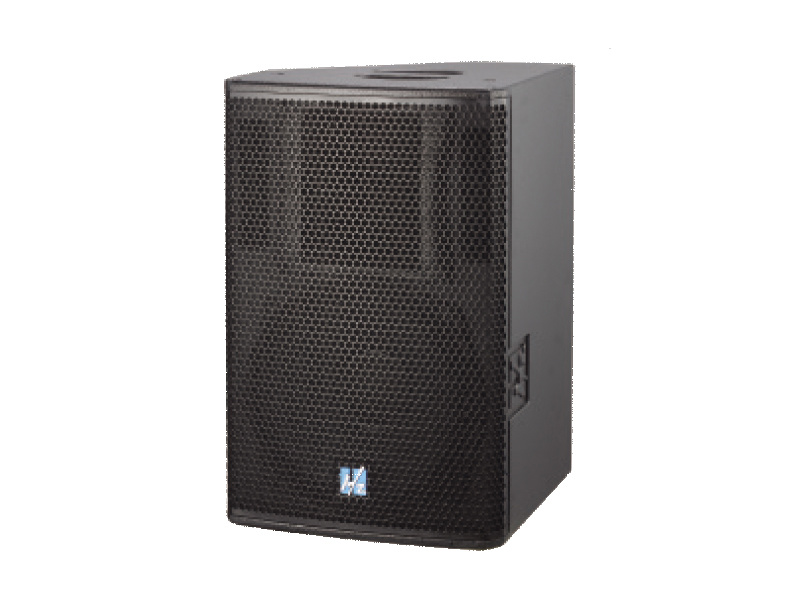
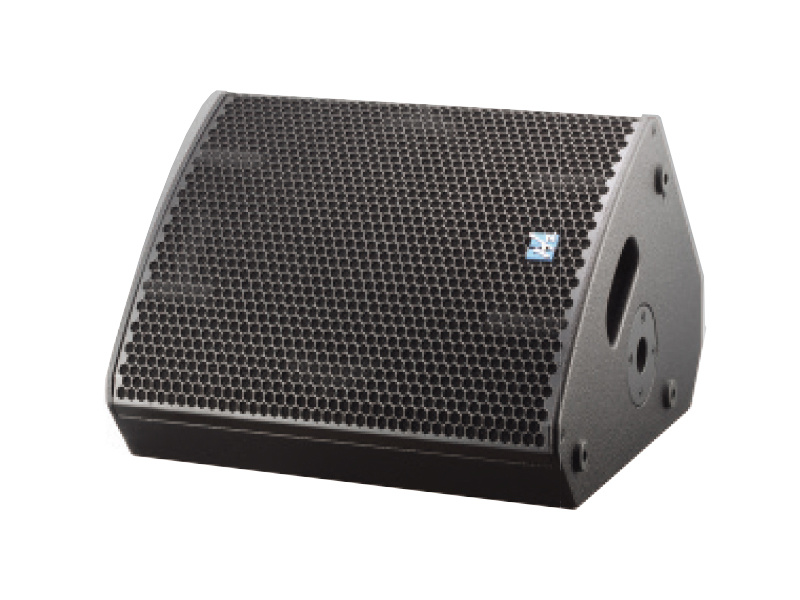
First, it's essential to understand the various types of home theater speakers. Typically, they include floor-standing speakers, bookshelf speakers, satellite speakers, and subwoofers. Floor-standing speakers provide robust sound and are often the centerpiece of a home theater setup. Bookshelf speakers are compact and versatile, making them suitable for smaller spaces. Satellite speakers are designed to be mounted on walls or placed on shelves, providing flexibility in speaker placement. Subwoofers are crucial for delivering deep bass, adding richness to movie soundtracks and music.
Next, the configuration of your home theater speaker system is vital for achieving optimal sound quality. A typical home theater setup may consist of a 5.1 or 7.1 channel system. The “5” or “7” refers to the number of speakers, while the “.1” indicates the presence of a subwoofer. A 5.1 setup includes five speakers (left, center, right, and two surround speakers) plus a subwoofer, while a 7.1 setup adds two additional surround speakers for a more immersive effect. Understanding these configurations will help you choose the right system based on your room size and personal preference.
In addition to speaker types and configurations, you must consider the speaker specifications, such as power handling, sensitivity, and frequency response. Power handling indicates how much power a speaker can handle without distortion, while sensitivity measures how efficiently a speaker converts power into sound. Frequency response is crucial for determining how well a speaker reproduces various tones, with a wider range generally providing better sound quality.
Room acoustics also play a significant role in the performance of home theater speakers. Factors such as room size, shape, and the materials used in furnishings can affect sound quality. To optimize your listening experience, experiment with speaker placement and consider adding acoustic treatments, such as sound-absorbing panels or carpets, to minimize echo and improve clarity.
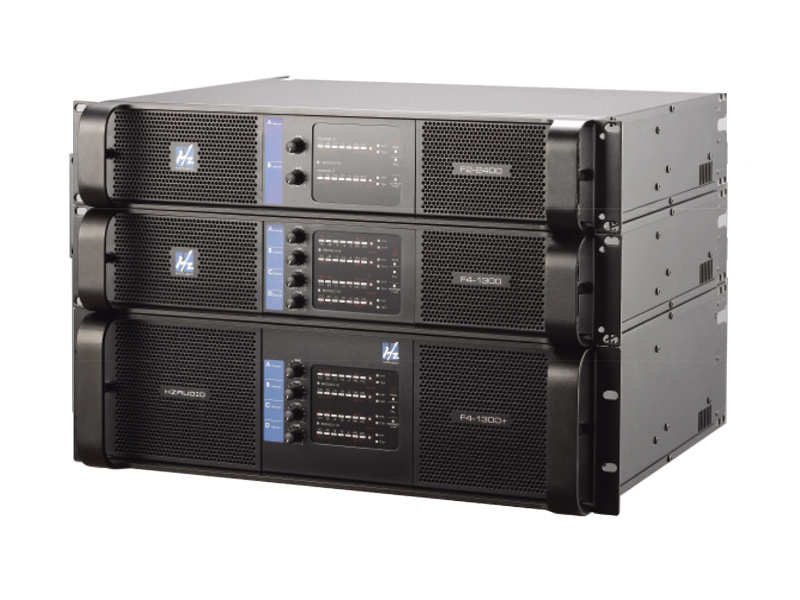
Finally, consider the importance of pairing your home theater speakers with the right receiver. The receiver acts as the hub of your audio system, processing sound signals and powering the speakers. Ensure that your receiver is compatible with the speakers you choose, taking into account the power output and the number of channels.
In conclusion, selecting home theater speakers requires careful consideration of various factors, including speaker types, configurations, specifications, and room acoustics. By understanding these elements, you can create a tailored audio experience that transforms your home theater into a captivating entertainment haven.

CONTACT
Hzaudio Office Address: 16 st joins ave, mont Albert, Vic 3127, Australia
Hzaudio Lab Address: No. 455, Fuyi Road, Dalong Street, Panyu District, Guangzhou, China
Tel: +86 20-34882578 Cell:+86 18620144731
E-mail: sale@hzaudio.com
Follow Us On Wechat!