

Understanding the Technology Behind Active Monitor Speakers: A Comprehensive Guide
Understanding the Technology Behind Active Monitor Speakers Table of Contents 1. Introduction to Active Monitor Speakers 2. What Are Active Monitor Speakers? 3. Key Technical Features of Active Monitor Speakers 3.1 Active Amplification 3.2 Driver Technology: Woofers and Tweeters 3.3 Frequency Response and Sound Quality 3.4 Connectivity Option
Mar 29,2026
Understanding the Technology Behind Active Monitor Speakers
Table of Contents
- 1. Introduction to Active Monitor Speakers
- 2. What Are Active Monitor Speakers?
- 3. Key Technical Features of Active Monitor Speakers
- 3.1 Active Amplification
- 3.2 Driver Technology: Woofers and Tweeters
- 3.3 Frequency Response and Sound Quality
- 3.4 Connectivity Options and Smart Features
- 4. Advantages of Using Active Monitor Speakers
- 5. How to Choose the Right Active Monitor Speakers for Your Needs
- 6. Installation and Setup of Active Monitor Speakers
- 7. Common Mistakes to Avoid When Using Active Monitor Speakers
- 8. Frequently Asked Questions
- 9. Conclusion
1. Introduction to Active Monitor Speakers
Active monitor speakers are essential tools for audio professionals, musicians, and enthusiasts seeking high-fidelity sound reproduction. Unlike traditional passive speakers, active monitors are equipped with built-in amplifiers and various features that enhance their performance and usability. This article delves deep into the technology behind active monitor speakers, exploring their design, functionalities, and the advantages they offer.
2. What Are Active Monitor Speakers?
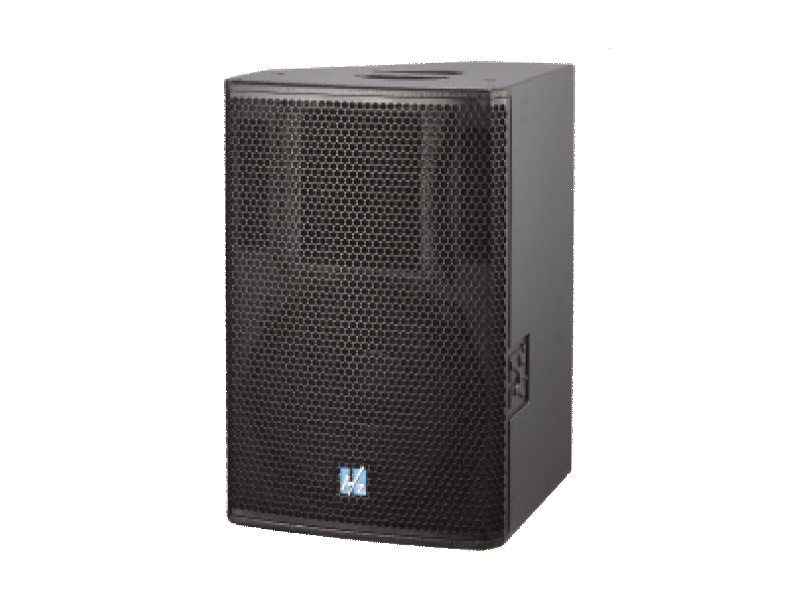
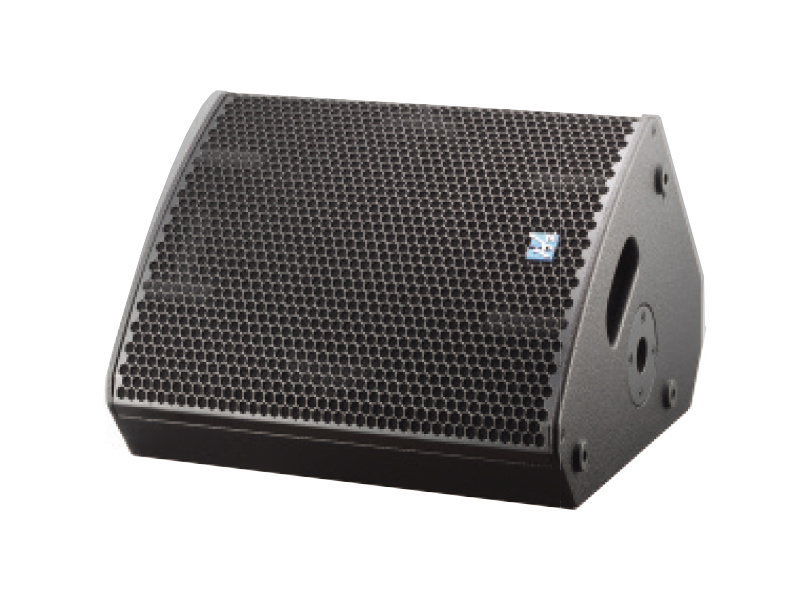
Active monitor speakers refer to a specific type of loudspeaker that integrates amplification within the speaker cabinet. This design eliminates the need for an external amplifier, allowing for a more streamlined setup. Typically used in recording studios, broadcasting, and home studios, these monitors are designed to deliver accurate sound reproduction, making them ideal for critical listening environments.
**Characteristics of Active Monitor Speakers:**
- **Built-in Amplifiers:** Active monitors have dedicated amplifiers tailored to the drivers, ensuring optimal performance.
- **Active Crossovers:** These speakers utilize electronic crossovers to divide the audio signal into separate frequency ranges, directing them to the appropriate driver (woofer or tweeter).
- **Room Adjustment Features:** Many models come with built-in EQ controls that allow users to tailor the sound to their environment.
3. Key Technical Features of Active Monitor Speakers
3.1 Active Amplification
The heart of any active monitor speaker lies in its **active amplification** system. Each driver (the woofer and tweeter) has its own dedicated amplifier, allowing for precise control over sound reproduction. This setup reduces distortion and enhances clarity, ensuring that the audio output remains faithful to the original recording.
Furthermore, the power output of these amplifiers is usually matched to the drivers, which means they can handle peak audio levels without compromising sound quality.
3.2 Driver Technology: Woofers and Tweeters
Active monitor speakers typically use two types of drivers: woofers and tweeters.
- **Woofers:** Designed to handle low to mid-range frequencies, woofers produce the bass sounds that add depth to music. A well-designed woofer ensures a full-bodied sound without muddiness.
- **Tweeters:** Responsible for high frequencies, tweeters add clarity and detail to music. They need to be accurately tuned to ensure that high notes sound crisp and clean without sounding harsh.
The combination of these drivers, along with well-engineered enclosures, contributes significantly to the overall sound quality.
3.3 Frequency Response and Sound Quality
**Frequency response** is a critical factor when evaluating active monitor speakers. It measures the range of frequencies a speaker can reproduce and is typically expressed in Hertz (Hz). A wider frequency response indicates the speaker's ability to reproduce a broader range of sounds, enhancing overall audio fidelity.
High-quality active monitors often have a frequency response that extends from as low as 30 Hz to over 20 kHz, allowing for accurate reproduction of both deep bass and high treble notes.
3.4 Connectivity Options and Smart Features
Modern active monitor speakers come equipped with a variety of connectivity options to cater to different user setups. These may include:
- **XLR and TRS Inputs:** Professional audio connections that ensure a balanced signal for reduced noise.
- **RCA Inputs:** Commonly used for consumer audio devices, allowing easy connection to various sources.
- **Bluetooth and Wi-Fi:** Many new models feature wireless connectivity, enabling streaming from smartphones, tablets, and computers without messy cables.
Smart features like automatic room correction are also becoming prevalent, allowing the speaker to analyze its surroundings and adjust the sound output accordingly for optimal performance.
4. Advantages of Using Active Monitor Speakers
Active monitor speakers offer numerous advantages, particularly for professionals in the audio field. Here are some key benefits:
- **Accurate Sound Reproduction:** The built-in amplification and dedicated drivers ensure that the sound remains true to the original recording, making them ideal for mixing and mastering.
- **Space-Saving Design:** With no need for external amplifiers, active monitors take up less space and simplify audio setups, making them perfect for small studios or home environments.
- **Ease of Use:** Plug-and-play functionality means users can set them up quickly without complicated installations, making them accessible to both beginners and experienced professionals.
- **Enhanced Control:** Built-in EQ settings and room adjustment features provide users with the ability to tailor sound according to their preferences and room acoustics.
5. How to Choose the Right Active Monitor Speakers for Your Needs
Selecting the right active monitor speakers involves considering several factors to ensure they meet your specific needs:
- **Room Size:** Larger rooms may require speakers with more power to fill the space adequately, whereas smaller rooms might only need compact models.
- **Listening Environment:** Think about whether you’ll be using them for casual listening, professional mixing, or both.
- **Budget:** Active monitor speakers come in a range of prices. Identify your budget and compare features within that range.
- **Brand Reputation:** Look for well-established brands known for their quality and reliability in the audio industry.
- **User Reviews:** Checking user feedback can provide insights into how different models perform in real-world scenarios.
6. Installation and Setup of Active Monitor Speakers
Setting up active monitor speakers correctly is essential for optimal sound performance. Here are steps to ensure a successful installation:
1. **Placement:** Position the speakers at ear level and form an equilateral triangle with your listening position. This arrangement allows for even sound distribution.
2. **Isolation Pads:** Use isolation pads to reduce vibrations and prevent sound distortion caused by contact with surfaces.
3. **Cables:** Use high-quality cables that are appropriate for your connections, ensuring a clean audio signal.
4. **Room Calibration:** If your monitor speakers feature room correction, run the calibration process to tailor the sound to your environment.
7. Common Mistakes to Avoid When Using Active Monitor Speakers
To get the most out of your active monitor speakers, it's important to avoid common pitfalls:
- **Ignoring Room Acoustics:** Neglecting the acoustics of your room can lead to poor sound quality. Consider using acoustic panels if necessary.
- **Overdriving the Speakers:** Pushing the speakers beyond their limits can cause distortion and damage. Always keep volume levels in check.
- **Incorrect Placement:** Poor speaker placement can lead to an unbalanced sound. Follow recommended positioning guidelines for the best results.
- **Using Inadequate Cables:** Low-quality cables can introduce noise and degrade sound quality. Invest in good-quality cables for optimal performance.
8. Frequently Asked Questions
What is the difference between active and passive monitor speakers?
Active monitor speakers include built-in amplifiers, while passive speakers require external amplifiers for operation. This makes active monitors easier to set up and typically more efficient for accurate sound reproduction.
Can I use active monitor speakers for casual listening?
Yes, active monitor speakers are suitable for casual listening, providing high-quality sound that enhances your music experience.
Do I need a subwoofer with active monitor speakers?
It depends on your listening needs. If you require deep bass for music genres like hip-hop or electronic, pairing your monitors with a subwoofer can enhance the low-end response.
How long do active monitor speakers last?
With proper care, active monitor speakers can last many years, often exceeding a decade. Regular maintenance and gentle handling will extend their lifespan.
Are more expensive active monitor speakers worth the investment?
Higher-priced models often come with better components, improved sound quality, and advanced features. Investing in quality speakers can provide better performance, especially for professional use.
9. Conclusion
Active monitor speakers represent a significant advancement in audio technology, providing professionals and enthusiasts alike with exceptional sound quality and convenience. By understanding their inner workings, advantages, and how to choose and set them up properly, users can make informed decisions that greatly enhance their listening experiences. Whether for professional mixing, casual listening, or music production, investing in high-quality active monitor speakers can transform the way you experience audio, making it richer, clearer, and more engaging.

CONTACT
Hzaudio Office Address: 16 st joins ave, mont Albert, Vic 3127, Australia
Hzaudio Lab Address: No. 455, Fuyi Road, Dalong Street, Panyu District, Guangzhou, China
Tel: +86 20-34882578 Cell:+86 18620144731
E-mail: sale@hzaudio.com
Follow Us On Wechat!