

Understanding Passive PA Speakers: A Comprehensive Guide for Professionals
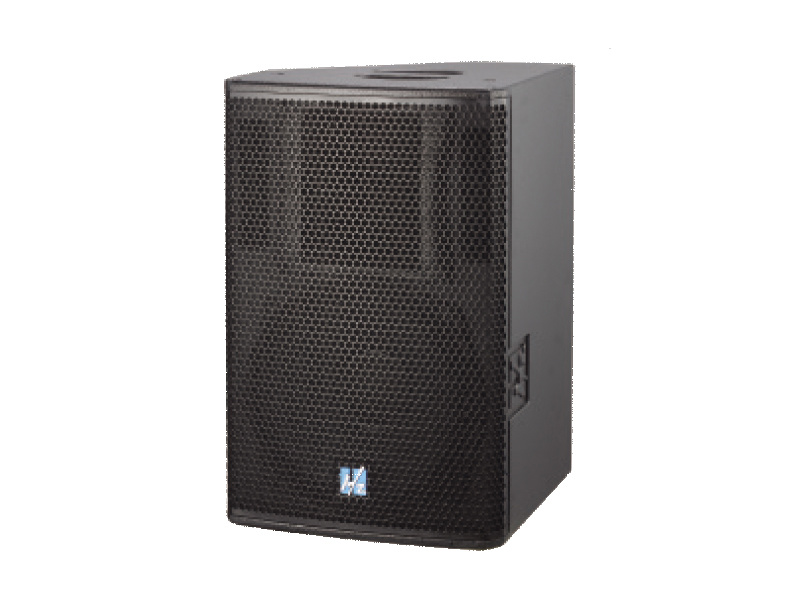
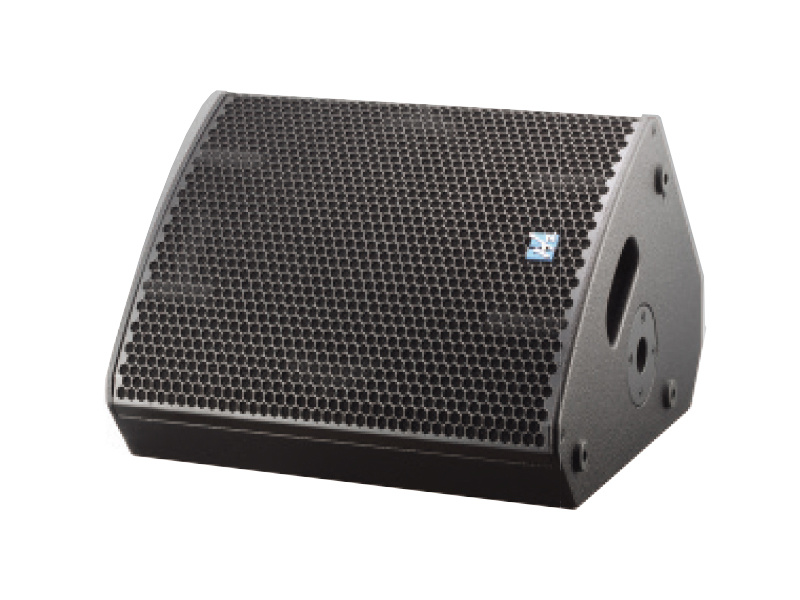
Passive PA speakers are a crucial component in professional audio systems, especially for those who prioritize sound quality and versatility. Unlike their active counterparts, passive speakers require an external amplifier to function, which can offer greater flexibility in sound system design. This article delves into what makes passive PA speakers a popular choice among audio professionals and p
Apr 05,2026
One of the primary advantages of passive PA speakers is their scalability in various sound reinforcement setups. When using passive speakers, audio professionals can select amplifiers that precisely match the speaker’s power ratings and impedance. This allows for a tailored approach to sound reinforcement, ensuring that the audio system can handle larger venues without compromising sound quality.
Additionally, passive PA speakers are typically lighter and more portable than active speakers, making them an excellent option for touring musicians and sound engineers who need to transport their equipment frequently. They are often designed with rugged cabinets that can withstand the rigors of live performances, ensuring reliability in diverse environments.
When considering passive PA speakers, it’s essential to pay attention to their specifications. Look for models with a good sensitivity rating, as this indicates how efficiently the speaker converts power into sound. A higher sensitivity rating means that the speaker can produce a louder sound with less power, which is crucial for larger venues where amplification needs to cover a significant audience.
Another aspect to consider is the crossover frequency. Passive speakers often include built-in crossovers that divide audio signals into appropriate frequency ranges for the woofer and tweeter. Understanding the crossover design can help professionals achieve the desired sound signature and tonal balance.
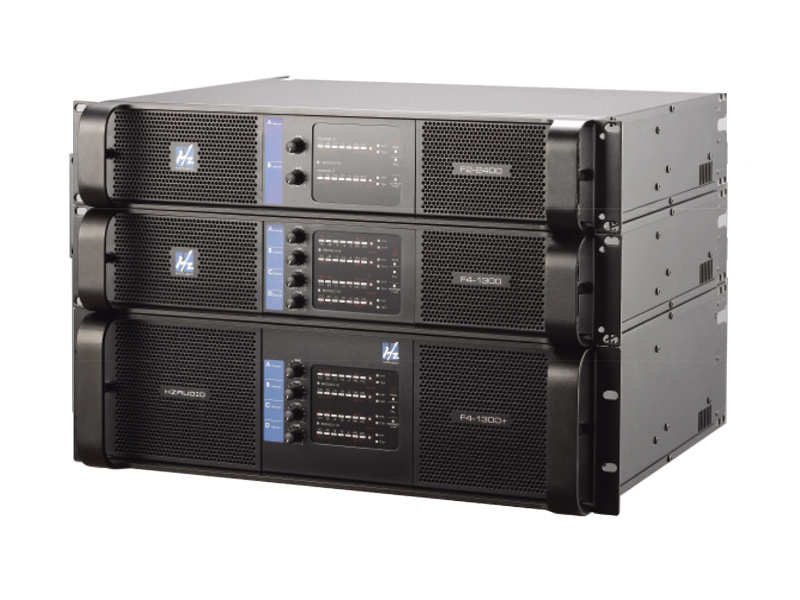
Moreover, the integration of passive speakers with external amplifiers allows for a wide range of customization options. Professionals can experiment with different amplifiers to find the perfect match for their specific sound requirements, enabling them to create unique audio experiences tailored to their audience.
In conclusion, passive PA speakers offer numerous benefits for audio professionals, including flexibility, portability, and customization. By understanding the critical aspects of these speakers, professionals can make informed decisions that enhance their sound reinforcement setups. Whether for live performances or installation in venues, passive PA speakers can be a valuable asset in delivering high-quality audio experiences.

CONTACT
Hzaudio Office Address: 16 st joins ave, mont Albert, Vic 3127, Australia
Hzaudio Lab Address: No. 455, Fuyi Road, Dalong Street, Panyu District, Guangzhou, China
Tel: +86 20-34882578 Cell:+86 18620144731
E-mail: sale@hzaudio.com
Follow Us On Wechat!