

Essential Accessories for Your Live Sound Speakers: Enhance Your Audio Experience
Essential Accessories for Your Live Sound Speakers: Enhance Your Audio Experience When it comes to delivering high-quality sound at live events, having the right gear is crucial. While your live sound speakers are undoubtedly the stars of the show, the performance of these speakers can be significantly enhanced by the right accessories. In this article, we will explore the essential accessories th
Apr 06,2026
Essential Accessories for Your Live Sound Speakers: Enhance Your Audio Experience
When it comes to delivering high-quality sound at live events, having the right gear is crucial. While your live sound speakers are undoubtedly the stars of the show, the performance of these speakers can be significantly enhanced by the right accessories. In this article, we will explore the essential accessories that every sound professional should consider to achieve an optimal audio experience. Let’s dive into the world of live sound and discover the essential tools that can make a difference in your sound setup.
Table of Contents
- Understanding the Importance of Accessories for Your Live Sound Speakers
- 1. Speaker Stands: Elevating Your Sound
- 2. Quality Audio Cables: The Lifeline of Your Sound
- 3. Audio Mixers: The Control Center of Your Setup
- 4. Reliable Power Supplies: Keeping the Beats Alive
- 5. Microphones: Capturing Every Note
- 6. Monitoring Systems: Ensuring Sound Clarity
- 7. Storage and Transport: Protecting Your Equipment
- Frequently Asked Questions
- Conclusion
Understanding the Importance of Accessories for Your Live Sound Speakers
Before we delve into the specific accessories for live sound speakers, it’s essential to understand why these accessories matter. The right accessories not only enhance the sound quality but also improve the overall experience for both the audience and the performers. By investing in quality accessories, you ensure that your sound setup functions seamlessly, allowing you to focus on delivering an unforgettable performance. Accessories can help in various ways:
- Stability: Proper supports and stands can help stabilize your speakers and prevent unwanted vibrations.
- Sound Quality: High-quality cables and mixers can reduce noise and ensure clear audio transmission.
- Portability: Well-designed storage solutions make transporting your equipment easier and safer.
1. Speaker Stands: Elevating Your Sound
Speaker stands are among the most crucial accessories for live sound speakers. They allow you to position your speakers at the optimal height, which is essential for achieving the best sound coverage. Proper elevation helps to direct sound waves toward your audience, enhancing clarity and reducing feedback. When selecting speaker stands, consider the following:
Height and Adjustability
Choose stands that can be adjusted to various heights. This versatility allows you to customize your setup based on the venue and audience size.
Material and Stability
Look for stands made of durable materials, such as steel or aluminum, to ensure stability. The base should be wide enough to prevent tipping, especially during energetic performances.
Portability
Weight and collapsibility are also important features. Lightweight, foldable stands make transportation to and from events much easier.
2. Quality Audio Cables: The Lifeline of Your Sound
No sound system is complete without quality audio cables. These cables are the backbone of your setup, connecting various components and ensuring that audio signals are transmitted without loss or interference. Here are some key considerations when selecting audio cables:
Types of Cables
Familiarize yourself with the different types of audio cables, such as XLR, TRS, and RCA. Each type serves specific purposes, so it’s essential to choose the right ones for your equipment.
Length and Durability
Consider how far apart your equipment will be placed. Purchasing cables that are too short can limit your setup options. Additionally, opt for cables with durable jackets to withstand wear and tear during transport and setup.
Noise and Interference
Investing in shielded cables can significantly reduce noise and interference, leading to clearer audio playback. High-quality connectors also ensure a snug fit, minimizing the risk of signal loss.
3. Audio Mixers: The Control Center of Your Setup
Audio mixers play a critical role in live sound by allowing sound engineers to control and blend multiple audio sources. A good mixer provides versatility and precision when adjusting audio levels. Here’s what to look for in an audio mixer:
Channels and Inputs
Choose a mixer with enough channels to accommodate all your audio sources, including microphones, instruments, and playback devices. More channels mean greater flexibility in your setup.
Built-in Effects
Many modern mixers include built-in effects such as reverb, delay, and EQ. These features allow you to add depth and character to your sound without needing additional equipment.
Ease of Use
Look for a mixer with an intuitive layout. A user-friendly interface can help you make real-time adjustments quickly, especially during live performances.
4. Reliable Power Supplies: Keeping the Beats Alive
A reliable power supply is essential to keep your live sound speakers and other equipment running smoothly. Without adequate power, you risk interruptions during performances. Here are the key aspects to consider:
Voltage and Wattage
Ensure that your power supply matches the voltage and wattage requirements of your equipment. Overloading a power supply can lead to equipment damage or failure.
Surge Protection
Investing in a power supply with built-in surge protection can safeguard your equipment from power spikes, which are common in live event settings.
Portability
Look for power supplies that are lightweight and easy to transport. Some models come with integrated handles or are designed to fit easily into carrying cases.
5. Microphones: Capturing Every Note
Microphones are a critical component of any live sound setup. They capture audio from performers and instruments, transmitting it to the audience. Consider the following when selecting microphones:
Types of Microphones
Understand the difference between dynamic and condenser microphones. Dynamic mics are generally more durable and better for live sound, while condenser mics capture a broader range of frequencies, making them ideal for studio settings.
Directional Patterns
Microphones come with different pickup patterns, such as cardioid, omnidirectional, and bidirectional. Choosing the right pattern can reduce feedback and isolate the sound source effectively.
Accessories for Microphones
Don’t forget to invest in microphone stands, windscreens, and pop filters to enhance performance and protect your microphones from environmental noise and handling sounds.
6. Monitoring Systems: Ensuring Sound Clarity
Monitoring systems are vital for performers to hear themselves and the band clearly. This helps them stay in tune and keeps the performance tight. Here’s what you should consider:
Floor Monitors vs. In-Ear Monitors
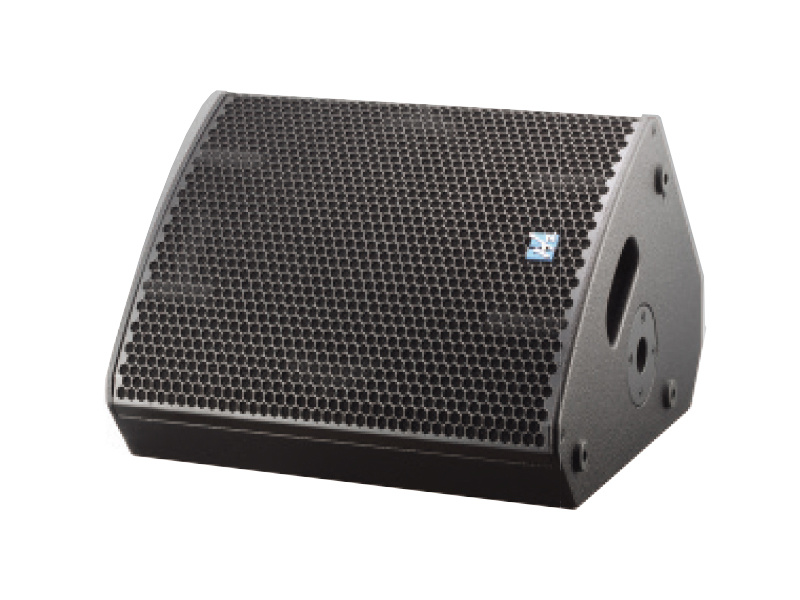
Floor monitors project sound at the performers from the stage, while in-ear monitors provide a direct audio feed into the performers’ ears. Determine which option suits your performance style best.
Sound Quality
Quality monitoring systems deliver a clear and accurate sound that allows performers to hear the nuances of their performance. Invest in systems that offer adjustable EQ settings for tailored sound.
Portability
Like other accessories, portability is essential for monitoring systems. Choose monitors that are lightweight and easy to set up and transport.
7. Storage and Transport: Protecting Your Equipment
Taking care of your equipment is crucial for its longevity and performance. Effective storage and transport solutions ensure that your accessories remain in top condition. Here are some tips:
Protective Cases
Invest in high-quality protective cases for your speakers, mixers, and other gear. Look for cases that offer padding and durable exteriors to protect against drops and impacts.
Organizational Solutions
Use cable organizers and racks to keep your audio cables and accessories neatly stored and easily accessible. This not only saves time during setup but also prevents damage to your cables.
Transportation Gear
Consider using dollies or carts designed for transporting audio equipment. This can make transporting heavy speakers and gear significantly easier, especially in large venues.
Frequently Asked Questions
1. What is the best way to position my speakers for live sound?
Speaker positioning is key to achieving the best sound. Elevate your speakers at ear level, and angle them slightly toward the audience for optimal sound coverage.
2. How do I know what cables to use for my audio setup?
Choose cables based on the connections available on your equipment. XLR cables are commonly used for microphones, while TRS cables are often used for instruments and mixers.
3. What should I consider when choosing a microphone for live performances?
Consider the type of performance, the environment, and the microphone’s pickup pattern. Dynamic microphones are generally more suited for live settings due to their durability.
4. How can I prevent feedback in my sound system?
To prevent feedback, position your microphones and speakers properly, use directional microphones, and adjust the EQ settings on your mixer to eliminate problematic frequencies.
5. What is the importance of using a quality mixer in live sound?
A good mixer allows you to control multiple audio sources, adjust levels, and apply effects, ensuring a polished and professional sound during your performance.
Conclusion
Equipping yourself with essential accessories for your live sound speakers can dramatically improve the quality of your audio experience. From speaker stands that elevate sound to high-quality cables that ensure clarity, each accessory plays a vital role in your setup. By investing in reliable equipment and understanding how to use it effectively, you can create immersive audio experiences that leave lasting impressions on your audience. Whether you are a professional sound engineer or an aspiring musician, having the right tools at your disposal is key to success in the dynamic field of live sound. Ensure you have all the necessary accessories, and you will be well on your way to delivering unforgettable performances.

CONTACT
Hzaudio Office Address: 16 st joins ave, mont Albert, Vic 3127, Australia
Hzaudio Lab Address: No. 455, Fuyi Road, Dalong Street, Panyu District, Guangzhou, China
Tel: +86 20-34882578 Cell:+86 18620144731
E-mail: sale@hzaudio.com
Follow Us On Wechat!