

Unveiling the Advantages of Passive PA Speakers in Professional Sound Systems
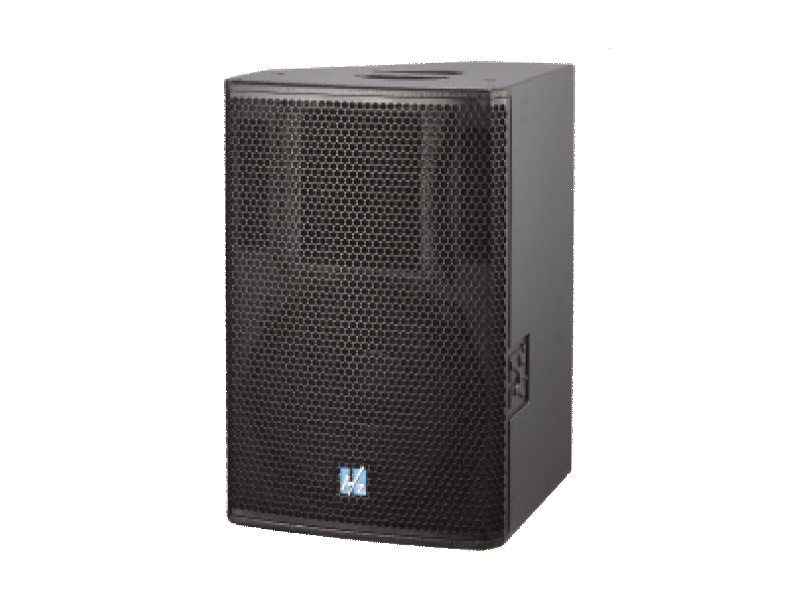
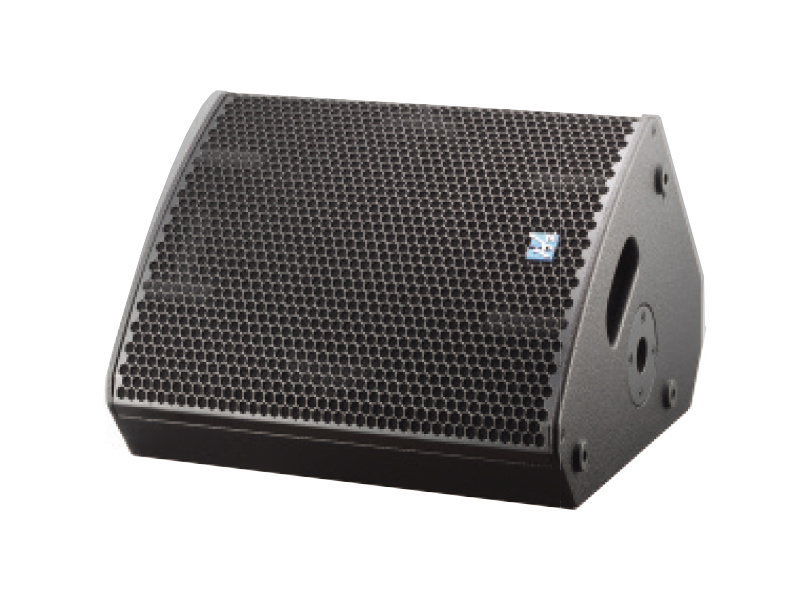
Passive PA speakers are a vital component in the realm of professional audio systems, offering unique characteristics that cater to diverse sound reinforcement needs. Unlike their active counterparts, passive speakers do not have built-in amplifiers, requiring an external amplifier to drive them. This fundamental difference allows for a range of advantages that can significantly enhance the perfor
Apr 11,2026
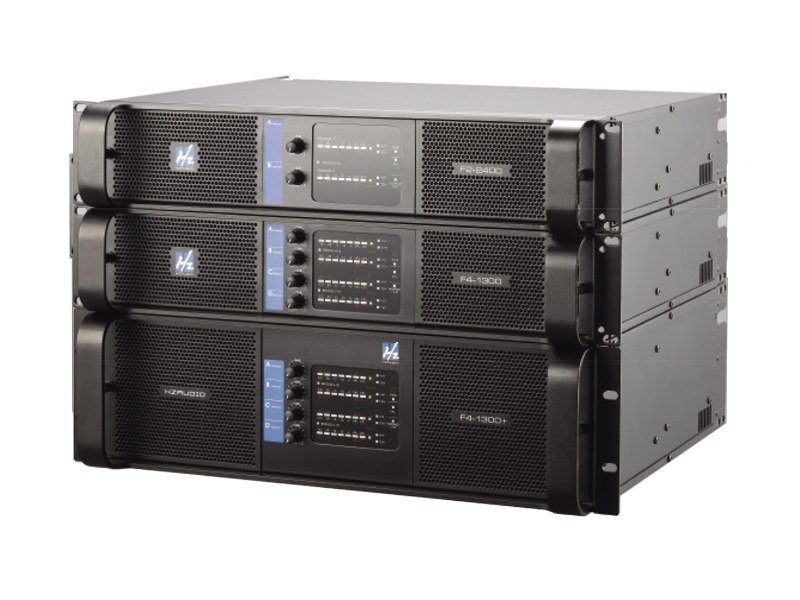
One of the primary benefits of passive PA speakers is their versatility. Because they rely on external amplifiers, users have the flexibility to choose amplifiers that best match their specific sound requirements and preferences. This means that audio engineers and sound system designers can fine-tune their setups to achieve the desired audio quality, ensuring that the speakers perform optimally in various environments, whether it’s a large concert hall or a small venue.
Another significant advantage of passive PA speakers is their scalability. In larger sound systems, it may be necessary to add additional speakers to accommodate the space or audience size. Passive systems allow for easy integration of more speakers without the need for complex configurations. This scalability is particularly beneficial for rental companies and event organizers who frequently adjust their setups depending on the requirements of different events.
Sound quality is another area where passive PA speakers excel. Many audio professionals prefer passive systems because they often provide better sound fidelity and clarity, especially when paired with high-quality amplifiers. The separation of amplification allows for a more tailored audio experience, as users can select amplifiers that complement the unique characteristics of their passive speakers.
Moreover, passive PA speakers generally offer a more robust build. They often feature durable components designed to withstand the rigors of frequent transport and use in various settings. This durability is crucial for professionals who rely on their equipment to perform consistently in demanding conditions.
However, it’s essential to note that using passive PA speakers requires a certain level of technical knowledge. Understanding the specifications of both the speakers and the amplifiers is crucial for achieving optimal performance. Users must ensure that the amplifier’s power output matches the speaker’s power handling capabilities to avoid potential damage and ensure the best sound quality.
In summary, passive PA speakers present a multitude of advantages for those involved in professional audio setups. Their versatility, scalability, superior sound quality, and robust construction make them a preferred choice for many audio professionals. By understanding how to effectively integrate these speakers into a sound system, users can enhance their audio experience, ensuring that every performance resonates with clarity and power.

CONTACT
Hzaudio Office Address: 16 st joins ave, mont Albert, Vic 3127, Australia
Hzaudio Lab Address: No. 455, Fuyi Road, Dalong Street, Panyu District, Guangzhou, China
Tel: +86 20-34882578 Cell:+86 18620144731
E-mail: sale@hzaudio.com
Follow Us On Wechat!