

Unleashing the Power of Subwoofer Speakers: Your Guide to Enhanced Audio Experience
Subwoofer speakers are an essential component of any high-fidelity audio setup, especially for those who appreciate deep bass and immersive soundscapes. These specialized speakers are designed to reproduce low-frequency sounds, typically below 200 Hz, which are crucial for a rich audio experience. Whether used in home theater systems, music production, or professional sound reinforcement, understa
Apr 13,2026
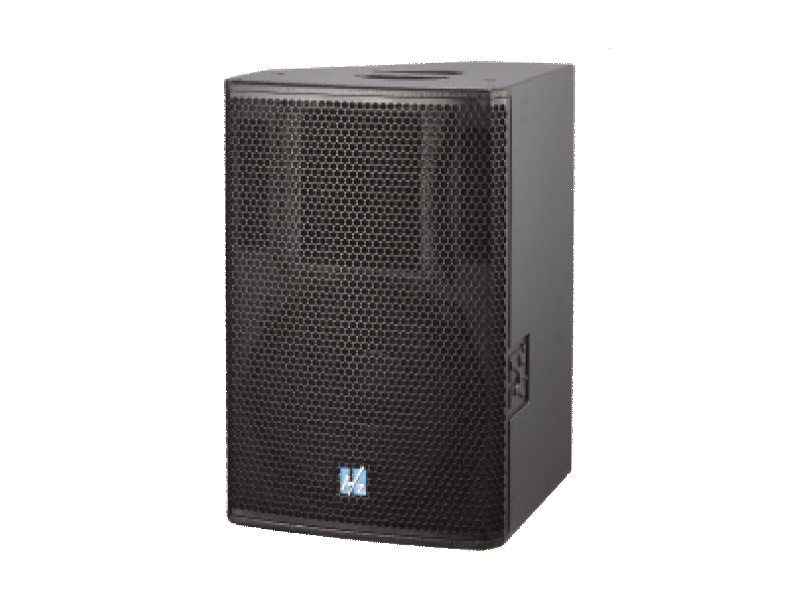
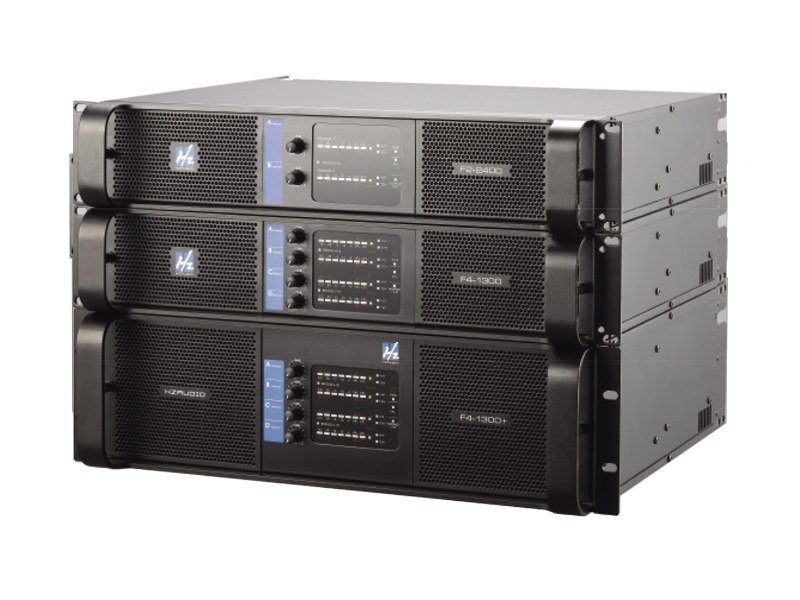
One of the primary types of subwoofer speakers is the passive subwoofer. This type requires an external amplifier to function, allowing for greater flexibility in tuning and power management. On the other hand, active subwoofers come equipped with built-in amplifiers, making them easier to set up and use. When considering subwoofer speakers, it's crucial to evaluate your requirements and the intended application to choose the right type.
Key features to consider include the driver size, enclosure design, and frequency response. The driver size plays a significant role in how well a subwoofer can produce deep bass. Larger drivers, typically ranging from 8 to 18 inches, can move more air and produce more impactful low frequencies. The enclosure design also influences sound quality; sealed enclosures provide tight and accurate bass, while ported designs can enhance the low-frequency output, making it more pronounced.
Moreover, the material used in the construction of subwoofers affects durability and sound quality. High-quality materials such as MDF (Medium Density Fiberboard) minimize unwanted vibrations and resonance, ensuring a clearer sound output. Additionally, features like adjustable phase control and crossover settings can help tailor the subwoofer's output to match other speakers in the system, ensuring a cohesive sound profile.
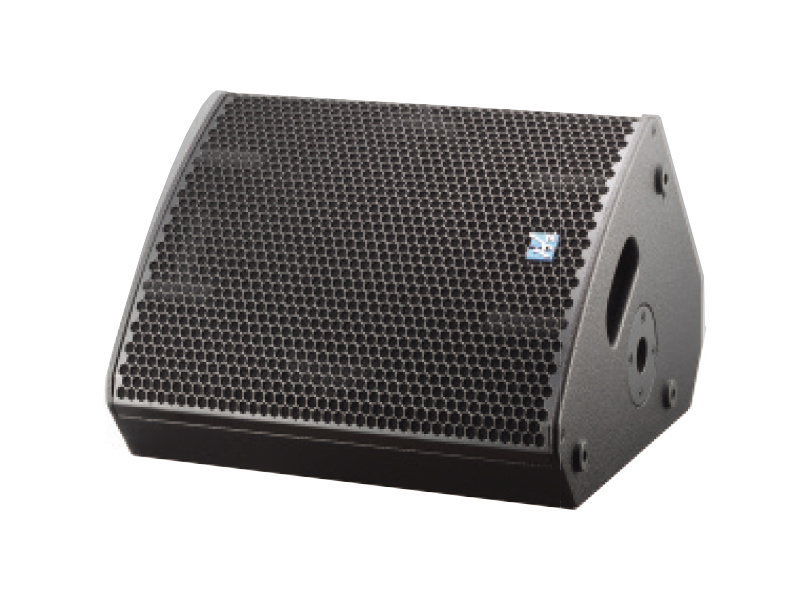
When optimizing your audio system with subwoofer speakers, it’s also essential to consider placement. Ideally, subwoofers should be positioned in a way that maximizes bass response without causing unwanted room modes or cancellation effects. Experimenting with different locations can lead to a more satisfying listening experience.
In conclusion, subwoofer speakers are not just accessories; they are fundamental to achieving a well-rounded audio performance. By understanding their functionality, types, and key features, you can make informed choices that will elevate your audio setup and provide a deeper, more immersive sound experience. Whether you are a professional in the audio industry or an enthusiast, mastering the art of integrating subwoofer speakers into your system is essential for achieving the best possible audio quality.

CONTACT
Hzaudio Office Address: 16 st joins ave, mont Albert, Vic 3127, Australia
Hzaudio Lab Address: No. 455, Fuyi Road, Dalong Street, Panyu District, Guangzhou, China
Tel: +86 20-34882578 Cell:+86 18620144731
E-mail: sale@hzaudio.com
Follow Us On Wechat!