

Understanding Passive PA Speakers: A Comprehensive Guide for Professionals
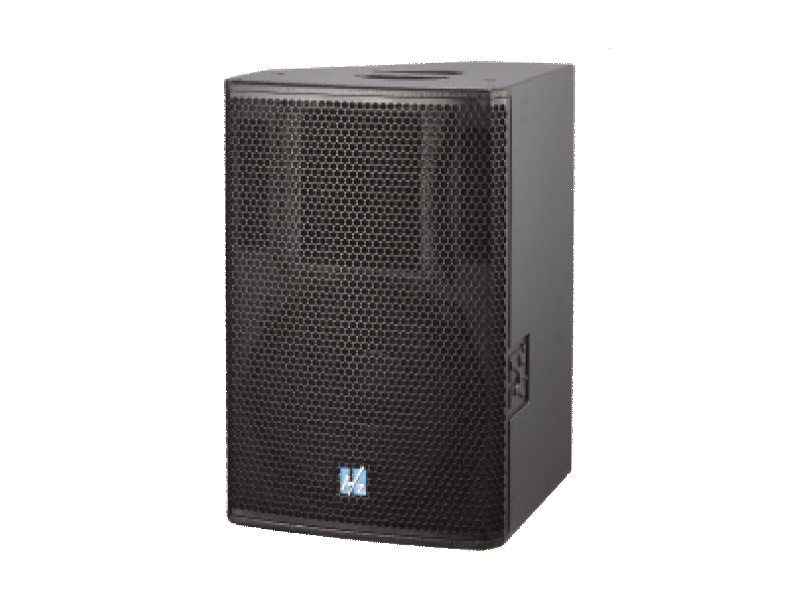
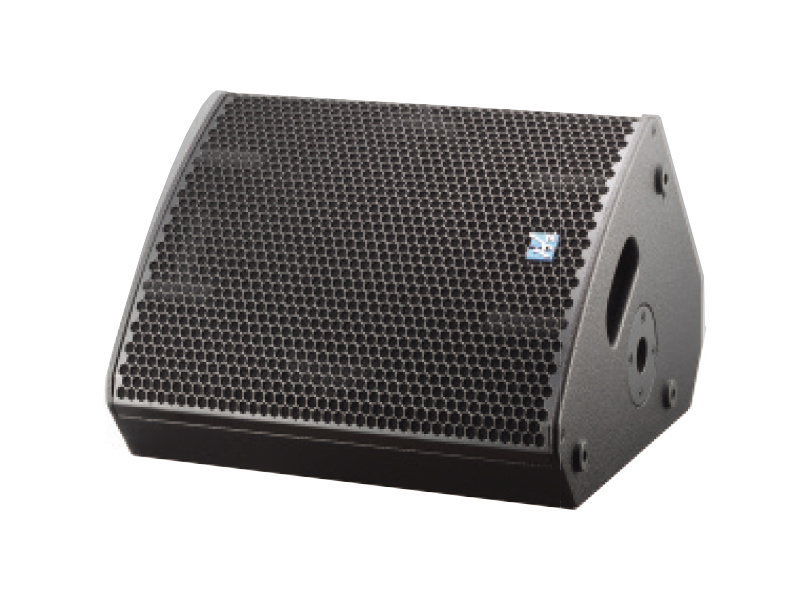
Passive PA speakers are a pivotal component in the realm of professional audio systems, catering to a wide array of applications from live performances to installations in venues. Unlike their active counterparts, passive PA speakers require an external amplifier to drive the sound, which often allows for greater flexibility in system design and performance customization. Understanding the intrica
May 13,2026
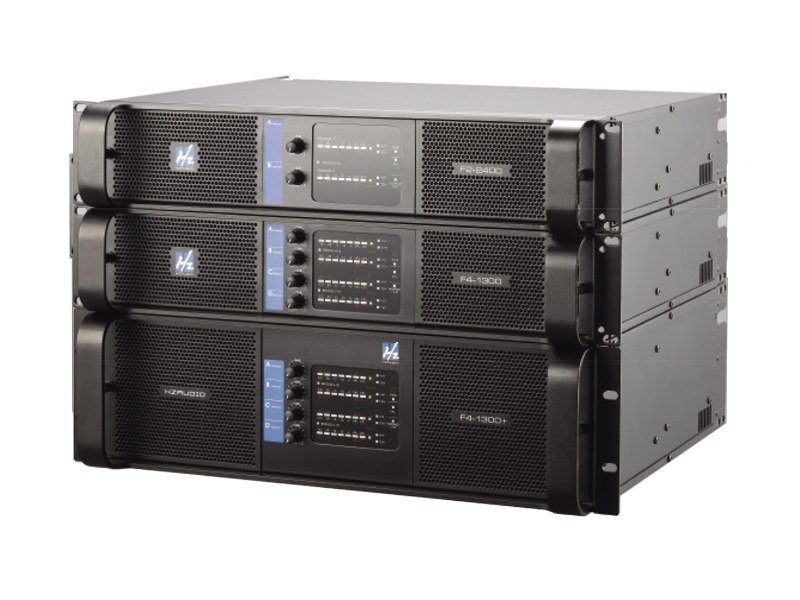
One of the primary advantages of passive PA speakers is their versatility. By decoupling the amplifier from the speaker, professionals have the freedom to select amplifiers that match the specific requirements of their sound set-up. This can lead to enhanced sound quality and improved efficiency, as users can choose amplifiers that complement the speaker’s impedance and power handling capabilities. Additionally, using passive speakers allows for easier upgrades—when new technology emerges, sound engineers can simply replace the amplifier or speakers without overhauling an entire system.
In terms of audio fidelity, passive PA speakers generally offer a robust sound signature that can be tailored to suit various genres and environments. Their design typically incorporates a crossover network, which allows for the distribution of audio frequencies to the appropriate drivers, resulting in a balanced audio output. This is particularly beneficial in live sound situations where clarity and precision are crucial. Furthermore, passive PA speakers are usually built to withstand the rigors of professional usage, with many models featuring durable materials that enhance longevity.
However, there are important considerations to keep in mind when utilizing passive PA speakers. The requirement for an external amplifier means additional setup complexity, and professionals must ensure compatibility between their amplifier and speakers. Moreover, passive systems may require more space for additional equipment, which can be a critical factor in smaller venues. Therefore, thorough planning and system design are essential to achieving optimal results.
In conclusion, passive PA speakers represent a versatile and powerful option for sound professionals looking to elevate their audio systems. By understanding their functionality and the implications of their use, professionals can harness the capabilities of passive speakers to deliver high-quality sound that meets the demands of various settings. Whether for live events, installations, or studio applications, passive PA speakers can be an excellent choice for achieving a rich and immersive audio experience.

CONTACT
Hzaudio Office Address: 16 st joins ave, mont Albert, Vic 3127, Australia
Hzaudio Lab Address: No. 455, Fuyi Road, Dalong Street, Panyu District, Guangzhou, China
Tel: +86 20-34882578 Cell:+86 18620144731
E-mail: sale@hzaudio.com
Follow Us On Wechat!