

The Role of Live Sound Speakers in Creating Unforgettable Performances
The Role of Live Sound Speakers in Creating Unforgettable Performances In the realm of live performances, the significance of sound quality cannot be overstated. Live sound speakers are essential in transforming an ordinary event into an extraordinary experience. From concerts and theater productions to corporate events and public speaking engagements, the right sound system can elevate the perfor
Nov 11,2026
The Role of Live Sound Speakers in Creating Unforgettable Performances
In the realm of live performances, the significance of sound quality cannot be overstated. Live sound speakers are essential in transforming an ordinary event into an extraordinary experience. From concerts and theater productions to corporate events and public speaking engagements, the right sound system can elevate the performance and engage the audience in ways that are both profound and memorable. In this article, we will delve into the intricacies of live sound speakers and their role in crafting unforgettable performances.
Understanding Live Sound Technology
The evolution of live sound technology has revolutionized how we experience performances. At the heart of this transformation is the live sound speaker, a device designed to amplify and reproduce sound accurately. To understand their role better, let’s explore the components and technology that make modern live sound systems effective.
Components of Live Sound Systems
A typical live sound system consists of several interrelated components, each playing a critical role:
- Mixing Console: This is where sound engineers control the audio signals from various sources, adjusting levels, equalization, and effects.
- Microphones: Essential for capturing vocals and instruments, microphones convert sound waves into electrical signals.
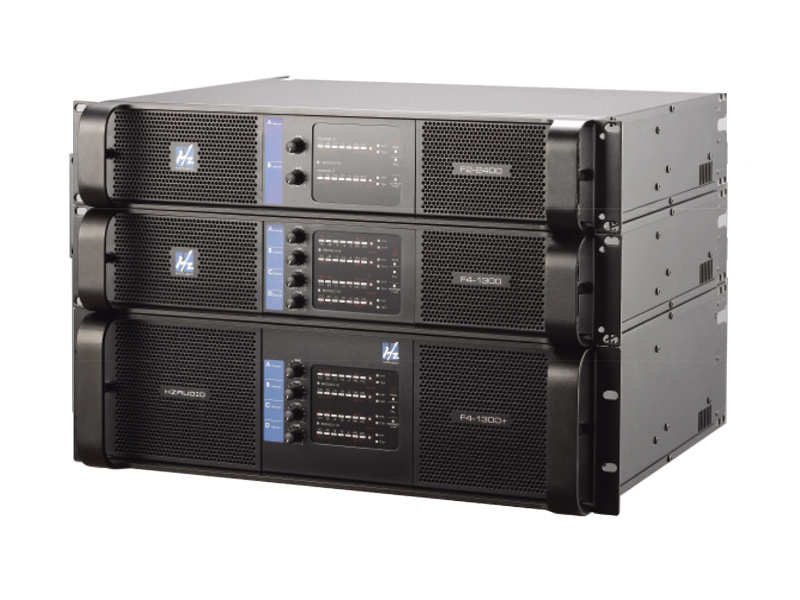
- Amplifiers: Amplifiers boost the weak audio signals from microphones and mixing consoles, making them powerful enough to drive speakers.
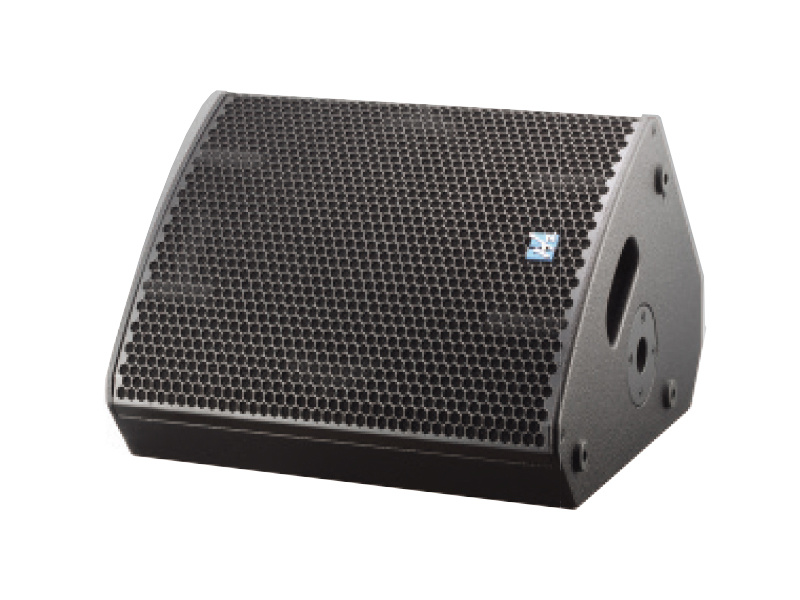
- Speakers: The primary output device, speakers convert electrical signals back into sound waves, delivering them to the audience.
The Importance of Sound Quality in Live Performances
Sound quality is paramount in live performances. Poor audio can detract from the audience’s experience, making it difficult to enjoy the performance. High-quality live sound speakers ensure clarity, balance, and accuracy in sound reproduction, enhancing the overall experience. Factors such as frequency response, distortion levels, and sound pressure level are critical in determining a speaker's overall performance.
Types of Live Sound Speakers
Choosing the right type of live sound speaker can significantly impact the effectiveness of a performance. Below are the primary types of speakers utilized in live sound applications:
Passive Speakers
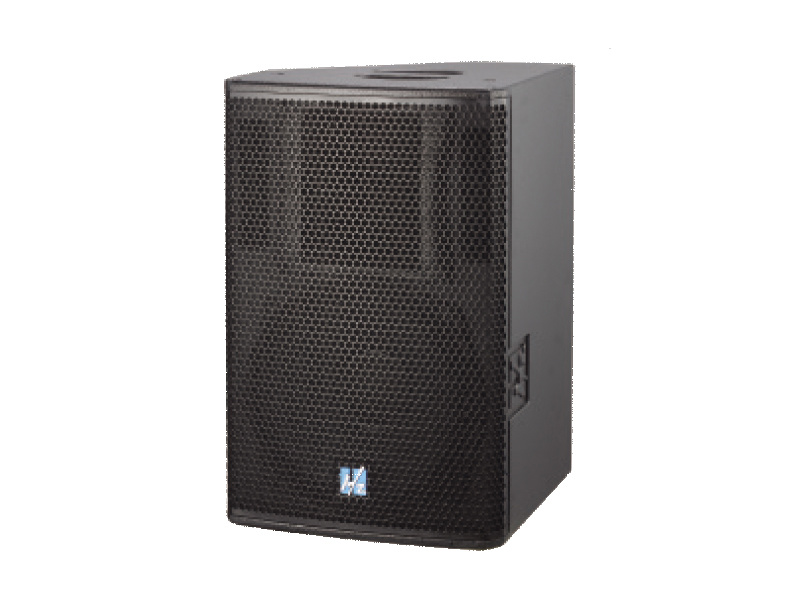
Passive speakers require an external amplifier to function. These speakers offer flexibility in sound system design, allowing sound engineers to select amplifiers that match their specific needs. They are often favored for their sound quality and durability.
Active Speakers
Active speakers come with built-in amplifiers, simplifying setup and reducing the number of components needed. They are ideal for smaller venues and events where portability and ease of use are essential. The integrated processing in active speakers often enhances sound quality and performance.
Subwoofers
Subwoofers are specialized speakers designed to reproduce low-frequency sounds. They add depth and richness to performances, making music feel more immersive. In live music settings, subwoofers create a powerful bass foundation that energizes the audience.
Line Array Systems
Line array systems consist of multiple speakers arranged in a vertical line, allowing for consistent sound coverage across large audiences. They are commonly used in outdoor concerts and large venues due to their ability to project sound over long distances with minimal distortion.
Design Considerations for Live Sound Speakers
The design of live sound speakers plays a crucial role in their performance. Several factors must be considered to ensure optimal results:
Acoustic Design
Acoustic design involves creating a speaker that accurately reproduces sound across different frequencies. This includes selecting materials that minimize distortion and optimizing the enclosure design to enhance sound projection.
Directional Sound Control
Directional sound control ensures that sound is projected towards the audience rather than dissipating in unwanted directions. This feature is particularly important in large venues to maintain sound clarity and volume at all seating locations.
Durability and Portability
Given the nature of live performances, speakers must be durable enough to withstand transportation and setup challenges. Lightweight, rugged materials enhance portability, making it easier for sound technicians to move equipment between venues.
The Impact of Live Sound Speakers on Audience Engagement
Engaging an audience requires more than just entertaining content; it necessitates immersive sound experiences. Live sound speakers play a critical role in capturing and sustaining audience attention during performances. Here’s how:
Clarity and Intelligibility
One of the primary roles of live sound speakers is to ensure that every word and note is heard with clarity. This is especially crucial in spoken performances, such as speeches and theatrical productions, where intelligibility can significantly affect audience engagement.
Emotional Connection
Music and sound can evoke powerful emotions. High-quality live sound speakers enhance the emotional impact of performances by accurately reproducing the nuances of music, allowing the audience to connect with the artists on a deeper level.
Creating Atmosphere
The right sound can create an immersive atmosphere that transports the audience into the performance. From the subtle ambiance of background sounds to the explosive energy of a rock concert, speakers are instrumental in shaping the overall experience.
Challenges in Live Sound Production
While live sound speakers are crucial for memorable performances, several challenges can arise in the production process:
Venue Acoustics
Every venue has unique acoustic characteristics that can affect sound quality. Sound engineers must adapt their setup to compensate for these variations, ensuring that speakers are positioned correctly to deliver optimal sound throughout the space.
Technical Issues
Technical problems, such as feedback, distortion, or equipment failure, can disrupt a live performance. Sound engineers must be prepared to troubleshoot and resolve these issues quickly to maintain the flow of the event.
Audience Size and Dynamics
The size and dynamics of the audience can influence sound distribution. Larger crowds require more powerful sound systems and careful planning to ensure that every member of the audience enjoys the performance equally.
Best Practices for Implementing Live Sound Systems
To ensure that live sound speakers contribute positively to performances, sound engineers should follow best practices:
Pre-Event Sound Checks
Conducting thorough sound checks before performances is essential. This allows engineers to adjust levels, test equipment, and ensure optimal sound quality throughout the venue.
Monitoring Audience Feedback
During the performance, monitoring audience reactions can provide valuable insights into sound quality. Adjustments can be made in real-time to enhance the experience further.
Continuous Education and Training
The live sound industry is constantly evolving, with new technologies and techniques emerging regularly. Ongoing education and training for sound technicians are vital to stay current and maintain high standards in performance quality.
Future Trends in Live Sound Speaker Technology
As technology continues to advance, the future of live sound speakers looks promising. We can expect several trends to shape the industry:
Wireless Technology
Wireless systems are becoming increasingly popular, providing greater flexibility and reducing clutter on stage. Future developments may see improvements in wireless audio transmission, enhancing sound quality and reliability.
Smart Speakers
Smart speaker technology, incorporating artificial intelligence and machine learning, could revolutionize sound reinforcement. These systems could analyze acoustics in real-time and adjust settings automatically for optimal performance.
Sustainable Practices
The industry is also moving towards more sustainable practices, including the use of eco-friendly materials in speaker manufacturing and energy-efficient designs. This approach not only benefits the environment but can also enhance brand reputation.
Conclusion
The role of live sound speakers in creating unforgettable performances cannot be understated. They are the backbone of any live event, ensuring that artists connect with their audience through sound. By understanding the technology, design considerations, and best practices, sound engineers can harness the full potential of live sound speakers to deliver captivating experiences. As technology advances, the future of live sound promises even more exciting developments, ensuring that the magic of live performance continues to thrive.
FAQs
1. What types of live sound speakers are best for small venues?
Active speakers are generally best for small venues due to their built-in amplifiers and ease of setup.
2. How can I improve sound quality at an outdoor event?
Using line array systems and subwoofers can help improve sound quality and coverage at outdoor events.
3. What should I look for in a sound engineer for a live performance?
Look for experience, knowledge of sound systems, and a good track record in managing live sound for similar events.
4. How do I prevent feedback during a live performance?
Proper microphone placement, using directional microphones, and adjusting gain levels can help prevent feedback.
5. What is the importance of sound checks before a performance?
Sound checks are crucial for ensuring optimal sound quality, adjusting levels, and identifying any technical issues before the audience arrives.
PREVIOUS:

CONTACT
Hzaudio Office Address: 16 st joins ave, mont Albert, Vic 3127, Australia
Hzaudio Lab Address: No. 455, Fuyi Road, Dalong Street, Panyu District, Guangzhou, China
Tel: +86 20-34882578 Cell:+86 18620144731
E-mail: sale@hzaudio.com
Follow Us On Wechat!