

The Benefits of Using In-Ear Monitors vs. Stage Monitor Speakers: A Comprehensive Guide
The Benefits of Using In-Ear Monitors vs. Stage Monitor Speakers Introduction to In-Ear Monitors and Stage Monitor Speakers In the dynamic world of live performance, sound quality is paramount. Musicians and sound engineers are continually seeking solutions that not only enhance sound fidelity but also improve overall stage performance. Among the options available, **in-ear monitors (IEMs)** a
May 14,2026
The Benefits of Using In-Ear Monitors vs. Stage Monitor Speakers
Introduction to In-Ear Monitors and Stage Monitor Speakers
In the dynamic world of live performance, sound quality is paramount. Musicians and sound engineers are continually seeking solutions that not only enhance sound fidelity but also improve overall stage performance. Among the options available, **in-ear monitors (IEMs)** and **stage monitor speakers** represent two distinct approaches to achieving ideal sound for performers. This article delves into the benefits of using in-ear monitors compared to traditional stage monitor speakers, offering insights that are critical for musicians, sound engineers, and venue operators alike.
Understanding the Basics: What are In-Ear Monitors?
In-ear monitors are compact audio devices that fit directly into the ear canal, providing a detailed and personal listening experience. They are popular among professional musicians, especially during live performances, due to their ability to deliver high-quality sound while minimizing external noise. Unlike traditional headphones, IEMs are designed to provide sound isolation and clarity, crucial for performers who need to hear themselves and their bandmates accurately.
Key Features of In-Ear Monitors
- **Sound Isolation**: IEMs block out ambient noise, allowing performers to focus solely on their music.
- **Customizable Fit**: Many IEMs are available with custom molds for a perfect fit, enhancing comfort and sound quality.
- **Wireless Technology**: Wireless in-ear monitor systems eliminate the need for cumbersome cables, enabling greater mobility on stage.
- **High Fidelity Sound**: IEMs deliver superior audio clarity with a broader frequency range, essential for nuanced performances.
What are Stage Monitor Speakers?
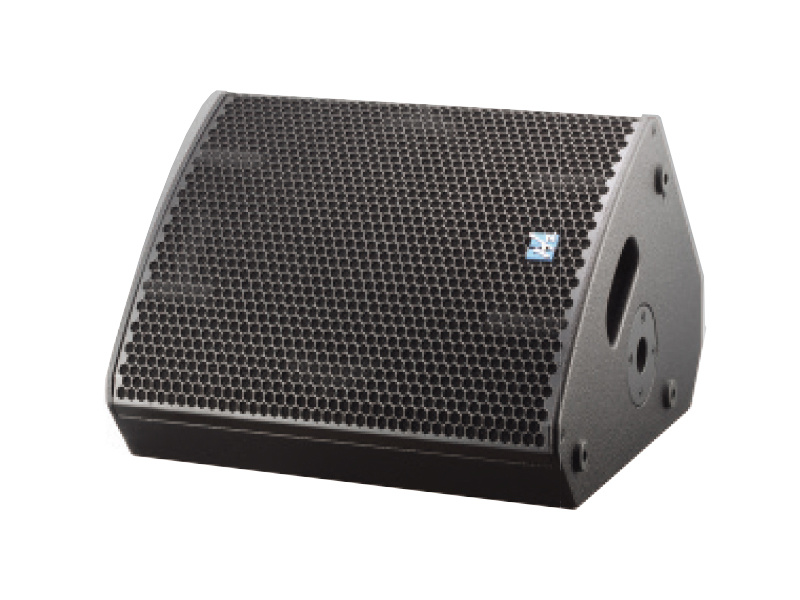
Stage monitor speakers, commonly referred to as wedges, are loudspeakers positioned on stage facing performers. Their purpose is to amplify the sound of instruments and vocals so that musicians can hear themselves and each other during a live performance. Stage monitors have been a staple in live sound setups for decades.
Key Features of Stage Monitor Speakers
- **Directional Sound**: Monitors are designed to project sound toward performers while minimizing bleed into the audience mix.
- **Robust Audio Output**: They can produce high volumes necessary for loud environments, ensuring sound is heard over a full band.
- **Variety of Sizes**: Available in various sizes, stage monitors can be tailored to fit the specific needs of different venues and performances.
Comparative Analysis: In-Ear Monitors vs. Stage Monitor Speakers
Both in-ear monitors and stage monitor speakers have their pros and cons. Below, we will explore several critical dimensions in which these two technologies differ significantly.
1. Sound Quality and Fidelity
**In-ear monitors** typically offer superior sound quality, thanks to their ability to deliver a more direct sound to the ear. The custom fit of IEMs allows for better sound isolation, enabling performers to hear intricate details in the music without external distractions. In contrast, **stage monitor speakers** can sometimes compromise on clarity due to their reliance on distance and room acoustics.
2. Mobility and Stage Presence
With **in-ear monitors**, performers can move freely across the stage without worrying about tripping over cables or navigating around monitor wedges. This mobility enhances performance quality and stage dynamics. On the other hand, **stage monitor speakers** limit movement and can create physical obstacles on stage.
3. Volume Control and Dynamics
IEMs allow for personalized volume control, enabling musicians to adjust their mix according to their preferences. This feature is crucial for maintaining optimal performance levels. Stage monitor speakers may struggle to provide the same level of individualized control, and the sound can vary widely based on the monitor's position and the venue's acoustics.
4. Environmental Considerations
In outdoor or open spaces, stage monitor speakers can struggle with sound dispersion and clarity, often requiring additional equipment to ensure adequate sound quality. In contrast, **in-ear monitors** remain unaffected by environmental factors, providing consistent sound quality regardless of the setting.
Advantages of In-Ear Monitors
The transition from stage monitor speakers to in-ear monitors comes with numerous benefits, all contributing to a superior performance experience.
1. Enhanced Focus and Concentration
Using IEMs enables musicians to concentrate on their performance without the distractions of external noise. This heightened focus can lead to improved stage presence and an overall better performance.
2. Customization Options
IEMs can be tailored to the unique audio requirements of each performer. Custom molds not only enhance comfort but also optimize sound quality, ensuring musicians can hear exactly what they need.
Custom Mixing Options
Musicians can work with sound engineers to create personalized mixes, which means they can adjust the levels of their instruments and vocals according to their preferences. This flexibility is not as easily achievable with stage monitor speakers.
3. Improved Health and Safety
By reducing the need for high volume levels to overcome ambient noise, **in-ear monitors** can protect musicians’ hearing health. Prolonged exposure to high decibel levels from stage monitors can lead to hearing loss over time.
Considerations When Choosing Between IEMs and Stage Monitors
While the advantages of in-ear monitors are significant, there are still considerations and potential drawbacks to keep in mind.
1. Initial Investment and Setup
IEM systems, especially customized ones, can come with a higher upfront cost. Additionally, the setup of a wireless IEM system can be more complex compared to traditional stage monitors.
2. Learning Curve for New Users
For musicians accustomed to stage monitors, transitioning to in-ear monitors may involve a learning curve. It requires getting used to the sensation of having sound delivered directly into the ear and adjusting to the level of isolation.
3. Reliance on Technology
Using IEMs introduces a level of dependency on technology. Any technical failure, such as a battery issue or signal interference, can disrupt the performance. Stage monitors, while not immune to issues, offer a more straightforward approach to sound delivery.
FAQs about In-Ear Monitors and Stage Monitor Speakers
1. What are the main advantages of in-ear monitors over stage monitors?
In-ear monitors provide better sound isolation, portability, and the ability to customize audio mixes for each performer, leading to a more focused and enhanced performance.
2. Are in-ear monitors suitable for all types of music performances?
Yes, in-ear monitors can be used in various performance settings, from solo acts to full bands, and they are particularly beneficial in loud environments where sound clarity is crucial.
3. How do I maintain my in-ear monitors?
Proper care involves regular cleaning, avoiding exposure to moisture, and safely storing them when not in use. Additionally, periodic checks on the sound quality and wiring are essential.
4. Can stage monitor speakers still be effective in modern performances?
Yes, while IEMs offer many advantages, stage monitor speakers can still be effective, especially in certain venues or for specific types of performances. They are often used in conjunction with IEMs for optimal sound.
5. What is the cost difference between in-ear monitors and stage monitor speakers?
In-ear monitors can range widely in price depending on customization and technology, often requiring a higher investment compared to standard stage monitor speakers. However, the long-term benefits can justify the initial cost.
Conclusion
The choice between in-ear monitors and stage monitor speakers is ultimately influenced by individual preferences, performance needs, and venue requirements. While stage monitors have long been a staple in live sound, the benefits of using **in-ear monitors**—such as superior sound quality, enhanced focus, and improved health—make them an increasingly popular choice among modern performers. By embracing in-ear technology, musicians can elevate their performances and create a more immersive experience for both themselves and their audiences.

CONTACT
Hzaudio Office Address: 16 st joins ave, mont Albert, Vic 3127, Australia
Hzaudio Lab Address: No. 455, Fuyi Road, Dalong Street, Panyu District, Guangzhou, China
Tel: +86 20-34882578 Cell:+86 18620144731
E-mail: sale@hzaudio.com
Follow Us On Wechat!