

The Ultimate Guide to Choosing Home Theater Speakers for an Immersive Experience
When it comes to creating an exceptional home theater experience, the choice of speakers plays a pivotal role. Home theater speakers are designed to reproduce sound with clarity and depth, making your movie nights and gaming sessions more immersive. Here are some critical factors to consider when selecting the right home theater speakers for your space. **1. Speaker Types:** Home theater speakers
May 15,2026
**1. Speaker Types:**
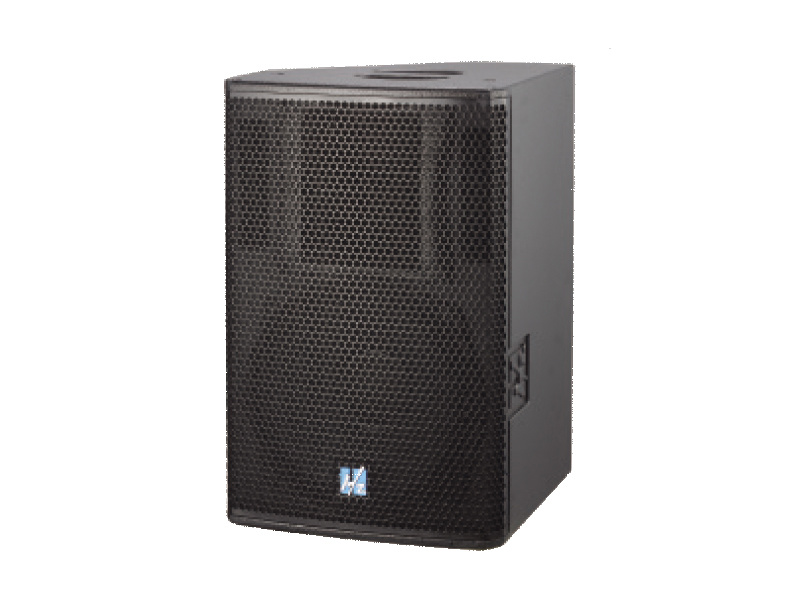
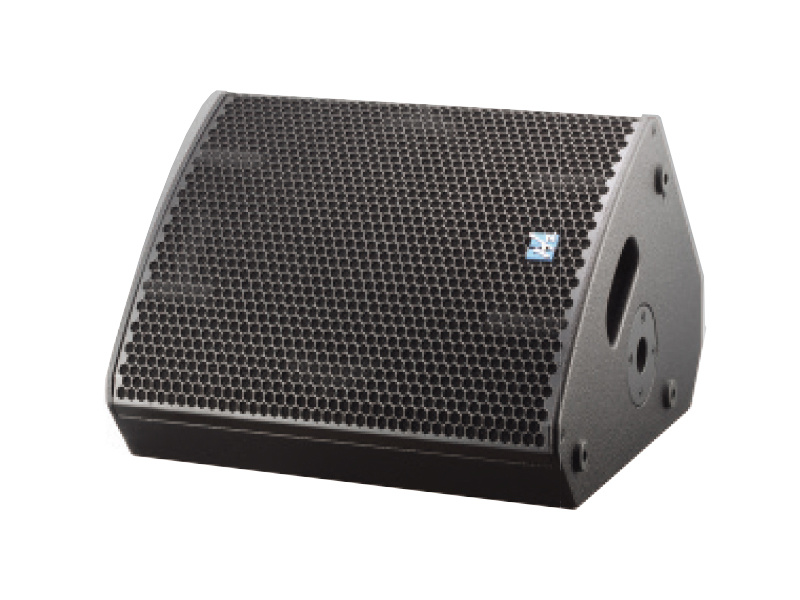
Home theater speakers come in various types, each serving a distinct purpose. The most common types include floor-standing speakers, bookshelf speakers, center channel speakers, surround speakers, and subwoofers. Floor-standing speakers typically deliver powerful sound and are ideal for larger rooms, while bookshelf speakers are more compact, making them perfect for smaller spaces. A center channel speaker is crucial for dialogue clarity, and surround speakers enhance the immersive experience by providing sound from different angles. Subwoofers are essential for deep bass, ensuring that you feel the action as much as you hear it.
**2. Room Layout and Size:**
The dimensions of your room significantly impact speaker selection. In larger spaces, more powerful speakers may be necessary to fill the area with sound effectively. Conversely, in smaller rooms, compact speakers may suffice. Additionally, consider the layout; the positioning of your speakers—whether mounted on walls, placed on stands, or integrated into furniture—can affect audio performance. Ideally, speakers should be arranged to create a balanced soundstage, where the audio experience feels enveloping and natural.
**3. Sound Quality and Specifications:**
When evaluating home theater speakers, pay attention to specifications like frequency response, sensitivity, and power handling. Frequency response indicates the range of sounds a speaker can reproduce, with a wider range offering a more dynamic listening experience. Sensitivity measures how well a speaker converts power into sound; higher sensitivity ratings mean less power is needed for louder volumes. Power handling indicates how much power a speaker can handle without distortion, which is crucial for maintaining audio quality at higher volumes.
**4. Compatibility with Your System:**
Ensure that the speakers you choose are compatible with your existing audio equipment. Impedance ratings (measured in ohms) should match your AV receiver or amplifier to avoid damage and ensure optimal performance. Additionally, consider whether you want a wired or wireless setup. While wired speakers often provide superior sound quality, wireless options offer convenience and flexibility in placement.
**5. Personal Preferences and Brand Reputation:**
Ultimately, the choice of home theater speakers should align with your personal preferences and audio tastes. It’s advisable to listen to various speakers in-store to determine which ones resonate with you. Researching brands with a solid reputation for quality and customer satisfaction can also guide your decision-making process.
In conclusion, selecting the right home theater speakers involves understanding different speaker types, considering your room's layout, assessing sound quality specifications, ensuring system compatibility, and factoring in personal preferences. By taking these elements into account, you can create a captivating audio environment that enhances your overall home entertainment experience.
PREVIOUS:

CONTACT
Hzaudio Office Address: 16 st joins ave, mont Albert, Vic 3127, Australia
Hzaudio Lab Address: No. 455, Fuyi Road, Dalong Street, Panyu District, Guangzhou, China
Tel: +86 20-34882578 Cell:+86 18620144731
E-mail: sale@hzaudio.com
Follow Us On Wechat!