

Quality Sound at Every Event: Investing in Live Sound Speakers for an Unforgettable Experience
Quality Sound at Every Event: Investing in Live Sound Speakers Table of Contents Introduction to Live Sound Speakers The Importance of High-Quality Sound in Events Types of Live Sound Speakers: Which One is Right for You? Active Speakers: Convenience and Power Passive Speakers: Customization and Flexibility Line Array Speakers: Professional
May 30,2026
Quality Sound at Every Event: Investing in Live Sound Speakers
Table of Contents
- Introduction to Live Sound Speakers
- The Importance of High-Quality Sound in Events
- Types of Live Sound Speakers: Which One is Right for You?
- Active Speakers: Convenience and Power
- Passive Speakers: Customization and Flexibility
- Line Array Speakers: Professional Sound for Large Venues
- Key Features to Consider When Choosing Live Sound Speakers
- Setting Up Your Live Sound System for Success
- Budgeting for Quality Sound Equipment
- Maintaining Your Sound Equipment for Longevity
- Conclusion: Invest in Quality for Memorable Events
- Frequently Asked Questions About Live Sound Speakers
Introduction to Live Sound Speakers
In the world of events, **sound quality** can make or break the experience. Whether you’re hosting a concert, corporate event, or wedding, investing in **live sound speakers** is crucial for achieving an exceptional auditory experience. High-quality sound systems not only enhance the enjoyment of your audience but also reflect the professionalism of your event.
This guide explores the various aspects of live sound speakers, helping you understand how to choose the right equipment for your needs. With the right knowledge, you can make informed decisions that will elevate your events to new heights.
The Importance of High-Quality Sound in Events
Sound quality plays a pivotal role in any event. It affects how your audience perceives the overall experience, influencing their emotions and engagement. Quality sound ensures that speeches are heard clearly, music resonates beautifully, and announcements are made effectively. Here are a few reasons why investing in high-quality sound is imperative:
Enhancing Audience Engagement
Good sound quality captures the audience's attention. When attendees can hear every note, every word, and every beat distinctly, their overall experience improves, leading to greater engagement and participation.
Creating Memorable Experiences
Events are about creating lasting memories. High-quality audio adds to the emotional impact of performances and speeches, making moments more memorable for everyone involved.
Building Your Brand Reputation
For businesses, the quality of sound reflects on your brand. Investing in reliable sound equipment projects professionalism and commitment to quality, enhancing your reputation among clients and attendees.
Types of Live Sound Speakers: Which One is Right for You?
When it comes to live sound speakers, not all are created equal. Different types of speakers serve various purposes and environments. Understanding these types is essential for making the right investment.
Active Speakers: Convenience and Power
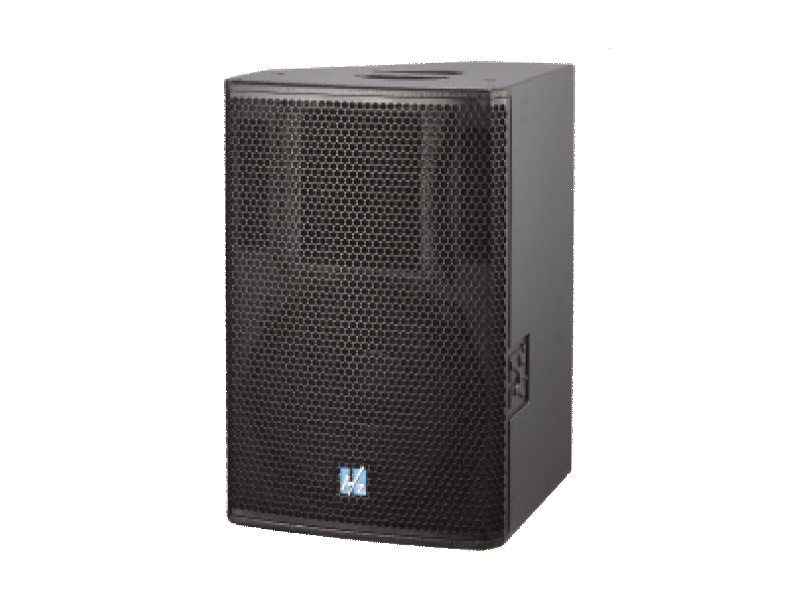
Active speakers, also known as powered speakers, come with built-in amplifiers. This convenience reduces the need for additional equipment, making them a popular choice for smaller events or mobile setups. Key advantages of active speakers include:
- **Ease of Use**: They are easy to set up and require minimal additional equipment, making them ideal for less complex events.
- **Consistent Sound Quality**: With built-in amplification, active speakers deliver consistent sound quality across various volumes.
- **Portability**: Many active speakers are lightweight and designed for easy transport, perfect for mobile DJs or event coordinators.
Passive Speakers: Customization and Flexibility
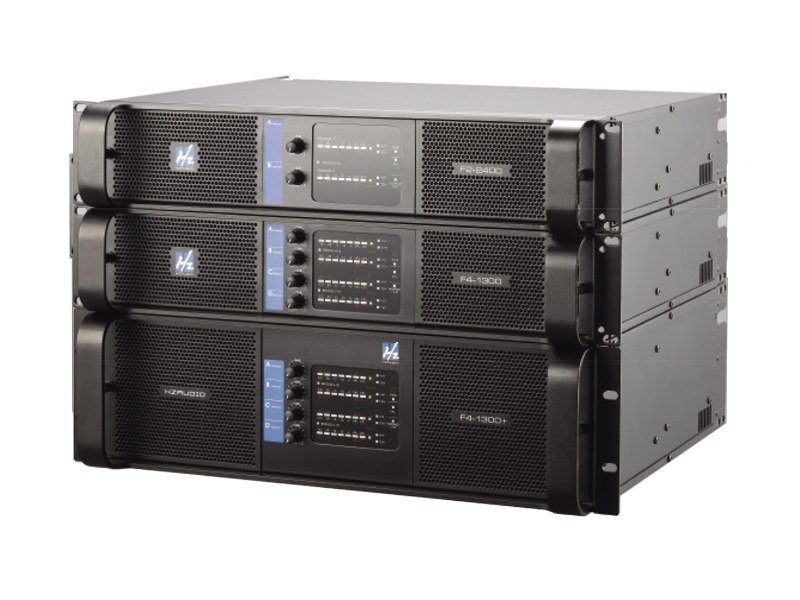
Passive speakers require an external amplifier to function. While they may involve a more complex setup, they offer greater flexibility for customization, appealing to those who prefer tailored sound systems. Benefits include:
- **Superior Sound Quality**: When paired with a high-quality amplifier, passive speakers can deliver exceptional sound clarity and power.
- **Versatility**: They allow for greater customization in terms of performance and connectivity, catering to various event sizes and types.
- **Upgradability**: As your audio needs change, you can easily upgrade components of your passive system without replacing the entire setup.
Line Array Speakers: Professional Sound for Large Venues
Line array speakers are designed for large venues and professional audio environments. They utilize multiple speaker elements aligned vertically, providing a focused sound and minimal distortion. Benefits include:
- **Wide Coverage**: They can cover large audiences evenly, ensuring that sound quality is consistent no matter where the audience is located.
- **Reduced Feedback**: Their design minimizes the potential for feedback, which is crucial during live performances.
- **Scalability**: Line array systems can be scaled up for larger events, making them a preferred choice for concerts and festivals.
Key Features to Consider When Choosing Live Sound Speakers
Selecting the right live sound speakers involves more than just choosing a type. Here are some key features to consider:
Power Rating and Sound Output
The power rating, usually measured in watts, indicates the speaker's ability to produce sound at various volumes. Higher power ratings are essential for larger venues where sound needs to carry over a greater distance.
Frequency Response
Frequency response refers to the range of frequencies a speaker can reproduce. A wider frequency range ensures that both low bass and high treble sounds are delivered clearly, contributing to a richer audio experience.
Portability and Design
Depending on your needs, consider the speaker’s size and weight. If you regularly transport your sound system, look for lightweight designs that are easy to carry and set up.
Connectivity Options
Evaluate the connectivity options available. Modern speakers might offer Bluetooth, XLR inputs, and USB ports, providing flexibility for various setups and devices.
Setting Up Your Live Sound System for Success
Proper setup is crucial for achieving optimal sound quality. Here are some essential tips:
Positioning Your Speakers
The positioning of your speakers greatly affects sound quality. For optimal listening, ensure that speakers are placed at ear level and angled towards the audience. Avoid placing them in corners or against walls to prevent sound distortion.
Using Speaker Stands and Mounts
Using stands or mounts can help elevate your speakers for better sound distribution. This is especially important in larger venues where sound needs to reach the back rows effectively.
Adjusting Levels for Different Environments
Every venue has unique acoustics. Take the time to adjust the levels of your speakers to suit the environment. Test the sound before the event begins, making necessary adjustments for clarity and volume.
Budgeting for Quality Sound Equipment
Investing in quality sound speakers requires careful budgeting. Here are some factors to consider:
Initial Purchase Costs
Determine your budget for the initial purchase of speakers. Remember that high-quality equipment often comes with higher price tags but provides better performance and reliability.
Long-Term Investment Considerations
Consider the longevity of the equipment. Investing in durable, high-quality speakers may save money in the long run as they will require fewer repairs or replacements.
Rental Options for Larger Events
For larger events, consider renting equipment instead of purchasing. Rentals can provide access to high-end speakers that may be beyond your budget for purchase.
Maintaining Your Sound Equipment for Longevity
Proper maintenance is vital for ensuring the longevity of your sound equipment. Here are some maintenance tips:
Regular Cleaning
Dust and debris can accumulate on speakers, affecting sound quality. Regularly clean your equipment using a soft cloth and mild cleaning solution.
Proper Storage
Store speakers in a safe environment where they are protected from extreme temperatures and humidity. Use padded cases for transport to prevent damage.
Routine Checks and Calibration
Periodically check your equipment for any signs of wear or damage. Regular calibration can also help maintain sound quality and performance.
Conclusion: Invest in Quality for Memorable Events
Investing in live sound speakers is a crucial step towards ensuring quality sound at every event. By understanding the various types of speakers, their features, and proper setup techniques, you can create unforgettable auditory experiences for your audience. Remember, good sound reflects professionalism and enhances engagement, making every event more memorable.
Take the time to evaluate your options, budget wisely, and maintain your equipment for lasting performance. Quality sound is not just an investment in equipment; it’s an investment in the success of your events.
Frequently Asked Questions About Live Sound Speakers
1. What are the differences between active and passive speakers?
Active speakers have built-in amplifiers and are easier to set up, while passive speakers require an external amplifier and allow for more customization.
2. How do I choose the right power rating for my speakers?
Consider the size of your venue and the type of events you are hosting. Larger venues typically require speakers with higher wattage for adequate sound coverage.
3. Can I use Bluetooth speakers for live events?
While Bluetooth speakers can be convenient, they may not offer the same sound quality and reliability as traditional wired speakers, especially in larger venues.
4. How can I improve the sound quality of my event?
Ensure proper speaker placement, use high-quality cables, and adjust sound levels according to the venue's acoustics for optimal sound quality.
5. Is it worth investing in professional sound equipment for smaller events?
Yes, even smaller events benefit from high-quality sound equipment, enhancing the overall experience and leaving a positive impression on attendees.

CONTACT
Hzaudio Office Address: 16 st joins ave, mont Albert, Vic 3127, Australia
Hzaudio Lab Address: No. 455, Fuyi Road, Dalong Street, Panyu District, Guangzhou, China
Tel: +86 20-34882578 Cell:+86 18620144731
E-mail: sale@hzaudio.com
Follow Us On Wechat!