

The Future of Stage Monitor Speakers: Trends to Watch
The Future of Stage Monitor Speakers: Trends to Watch Stage monitor speakers play a crucial role in live performances, enabling artists to hear themselves and their bandmates, which is essential for delivering a high-quality show. As technology advances and user needs evolve, we are witnessing significant changes in the design, functionality, and application of stage monitor speakers. This article
Jun 01,2026
The Future of Stage Monitor Speakers: Trends to Watch
Stage monitor speakers play a crucial role in live performances, enabling artists to hear themselves and their bandmates, which is essential for delivering a high-quality show. As technology advances and user needs evolve, we are witnessing significant changes in the design, functionality, and application of stage monitor speakers. This article will explore the future of stage monitor speakers and discuss key trends to watch, ensuring that audio professionals, musicians, and venue operators remain informed about the latest innovations in this critical area of the entertainment industry.
Table of Contents
- 1. Introduction to Stage Monitor Speakers
- 2. Understanding the Role of Stage Monitors
- 3. Emerging Technologies in Monitor Speakers
- 4. Design Innovations Shaping the Future
- 5. Market Trends Influencing Stage Monitor Development
- 6. The Rise of Wireless Monitor Systems
- 7. User-Centric Features: Enhancing Performance
- 8. The Environmental Impact of Monitor Speakers
- 9. FAQs about Stage Monitor Speakers
- 10. Conclusion
1. Introduction to Stage Monitor Speakers
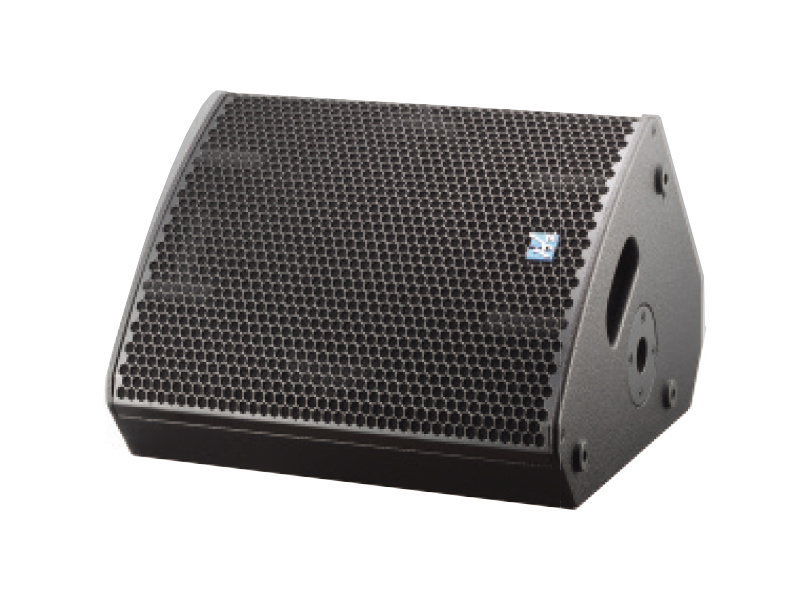
Stage monitor speakers, often referred to as wedges, are essential devices used during live performances to allow performers to hear themselves and each other. Unlike traditional PA speakers that project sound to the audience, stage monitors are specifically designed to provide audio feedback to musicians, enabling them to stay in sync and maintain optimal performance levels. As we look to the future, the evolution of these devices is being driven by advances in technology, design, and user needs.
2. Understanding the Role of Stage Monitors
The primary function of stage monitors is to deliver sound directly to performers, ensuring they can effectively hear their instruments and vocals. This is crucial in a live setting where external noises, such as crowd cheers and other instruments, can impede sound clarity. The importance of precise audio monitoring cannot be overstated; it directly impacts the performance quality and overall audience experience.
The Importance of Feedback Control
Feedback control is a major consideration for stage monitor setups. Musicians need to hear themselves without causing feedback loops that can disrupt the performance. Advanced stage monitors now incorporate technologies to minimize feedback, thereby improving sound quality and enabling artists to perform at their best.
3. Emerging Technologies in Monitor Speakers
The future of stage monitor speakers is closely tied to emerging technologies that enhance sound quality, connectivity, and user experience. Notable advancements include DSP (Digital Signal Processing), improved driver technology, and integrated monitoring solutions.
Digital Signal Processing (DSP)
DSP technology allows for greater control over sound characteristics, enabling precise adjustments to equalization, compression, and effects. This results in a significantly enhanced listening experience for performers. As DSP technology continues to evolve, we can expect stage monitors to offer even more customization options tailored to individual preferences.
Advanced Driver Technology
New driver technologies are emerging that offer greater efficiency and sound fidelity. Materials such as neodymium and advanced composite cones are enabling lighter, more powerful speakers that can produce clearer sound at higher volumes without distortion.
4. Design Innovations Shaping the Future
Design innovations are also set to change the landscape of stage monitor speakers. Aesthetics, portability, and durability are becoming increasingly important for both performers and venues.
Compact and Lightweight Designs
With the growing demand for portable and easy-to-transport audio equipment, manufacturers are focusing on creating compact and lightweight monitor speakers. This trend facilitates quick setups and takedowns during live events, making life easier for sound engineers and performers alike.
Durability and Weather Resistance
As outdoor performances become more common, the need for durable, weather-resistant stage monitors is rising. Future designs will likely incorporate materials and features that protect against moisture and dust while maintaining sound quality.
5. Market Trends Influencing Stage Monitor Development
The market for stage monitor speakers is expanding, driven by a variety of factors including increased live event production, the growth of the music industry, and rising consumer expectations. Understanding these market trends is essential for making informed purchasing decisions.
Growing Demand for Live Events
As live events gain popularity post-pandemic, there is an increased need for high-quality audio solutions. This trend is pushing manufacturers to innovate and meet the growing demand for effective stage monitor speakers that cater to a wide range of performance settings.
Consumer Preferences for Customization
Today's performers seek products that can be customized to their specific sound preferences. This demand is influencing manufacturers to incorporate user-friendly features that allow for easy adjustments and personalized settings.
6. The Rise of Wireless Monitor Systems
Wireless technology has revolutionized stage sound, and stage monitor speakers are no exception. The rise of wireless monitor systems is a notable trend that offers significant advantages to performers and sound engineers.
Benefits of Wireless Systems
Wireless stage monitor systems provide performers with freedom of movement, allowing them to interact more dynamically with their audience. Additionally, advancements in wireless technology have improved sound quality and reduced latency, making these systems a viable option for professional performances.
Challenges and Considerations
While wireless systems offer many advantages, they also come with challenges. Issues such as signal interference and battery life must be carefully considered when integrating wireless technology into a stage setup. However, ongoing advancements are addressing these concerns, making wireless options increasingly reliable.
7. User-Centric Features: Enhancing Performance
As the industry evolves, manufacturers are placing a greater emphasis on user-centric features that enhance the performance experience for musicians and sound engineers.
Personal Monitoring Systems
Personal monitoring systems allow performers to customize their audio feed, enabling them to adjust levels according to their preferences. With these systems, musicians can create their own mix, ensuring they hear exactly what they need during a performance.
Integration with Mobile Applications
Mobile applications are becoming an integral part of modern stage monitor systems. These apps allow users to control their monitors from their smartphones, providing convenient access to settings and adjustments without having to reach for physical controls.
8. The Environmental Impact of Monitor Speakers
As sustainability becomes a more pressing issue, the audio industry is taking steps to reduce the environmental impact of stage monitor speakers. This trend is expected to shape future designs and manufacturing processes.
Eco-Friendly Materials
Manufacturers are increasingly exploring the use of eco-friendly materials in the production of stage monitors. This shift not only benefits the environment but also appeals to consumers who prioritize sustainability in their purchasing decisions.
Energy Efficiency
Energy-efficient designs are also gaining traction. Stage monitor speakers that consume less power without compromising sound quality are becoming the preferred choice for venues and performers who seek to reduce their carbon footprint.
9. FAQs about Stage Monitor Speakers
What are the differences between stage monitor speakers and regular PA speakers?
Stage monitor speakers are specifically designed to provide sound to performers on stage, while PA speakers are intended to project sound to the audience. The design and functionality of the two are optimized for their respective roles.
How do I choose the right stage monitor speaker?
Choosing the right stage monitor depends on factors such as the type of performance, the size of the venue, sound quality, and personal preferences. It's important to consider both technical specifications and user-friendly features when making your selection.
What are the benefits of using wireless stage monitors?
Wireless stage monitors offer freedom of movement, reduce clutter on stage, and can improve overall performance dynamics. They also allow for easier setup and takedown during events.
How do I prevent feedback with stage monitor speakers?
To prevent feedback, position the monitors properly, keep the microphones away from the speakers, and use DSP features to control sound dynamics. Proper system setup and adjustment are key to minimizing feedback.
What is the future of stage monitor speakers?
The future of stage monitor speakers looks promising with advancements in technology, design innovation, and a focus on user-centric features. Expect to see more wireless options, eco-friendly materials, and personalized monitoring solutions in the coming years.
10. Conclusion
The evolution of stage monitor speakers is a testament to the rapid advancement of audio technology and the changing needs of performers. As we look toward the future, we can anticipate exciting developments that will enhance sound quality, improve user experiences, and embrace sustainability. By staying informed about these trends, audio professionals and musicians can make strategic decisions that elevate their performances and adapt to the ever-evolving landscape of live sound. The future looks bright for stage monitor speakers, and we are eager to witness the innovations that lie ahead.

CONTACT
Hzaudio Office Address: 16 st joins ave, mont Albert, Vic 3127, Australia
Hzaudio Lab Address: No. 455, Fuyi Road, Dalong Street, Panyu District, Guangzhou, China
Tel: +86 20-34882578 Cell:+86 18620144731
E-mail: sale@hzaudio.com
Follow Us On Wechat!