

Comparing Brands: What to Look for in Stage Monitor Speakers
Comparing Brands: What to Look for in Stage Monitor Speakers Stage monitor speakers play a crucial role in live performances, ensuring that artists can hear themselves and their bandmates clearly. Whether you are a musician, audio engineer, or event organizer, understanding the key features and specifications of stage monitors can significantly impact the quality of your sound experience. In this
Jun 07,2026
Comparing Brands: What to Look for in Stage Monitor Speakers
Stage monitor speakers play a crucial role in live performances, ensuring that artists can hear themselves and their bandmates clearly. Whether you are a musician, audio engineer, or event organizer, understanding the key features and specifications of stage monitors can significantly impact the quality of your sound experience. In this article, we will delve into the critical aspects to consider when comparing brands and help you make an informed decision for your audio needs.
Table of Contents
- Overview of Stage Monitor Speakers
- Why Stage Monitor Speakers Matter
- Key Features to Look for in Stage Monitor Speakers
- Sound Quality and Performance
- Design and Build Quality
- Portability and Weight
- Power Handling and Efficiency
- Connectivity Options
- Comparing Leading Brands of Stage Monitor Speakers
- Price and Value Considerations
- Frequently Asked Questions
- Conclusion
Overview of Stage Monitor Speakers
Stage monitor speakers are specialized audio devices designed to provide sound feedback to performers during live events. Unlike standard speakers, which project sound outwards to an audience, stage monitors direct sound toward the stage, allowing musicians to hear their instruments and vocals clearly. This is essential for maintaining pitch, timing, and overall performance quality.
Why Stage Monitor Speakers Matter
The significance of stage monitor speakers cannot be overstated. When artists can hear themselves properly, it enhances their performance and reduces the risk of mistakes. Additionally, high-quality monitors can help mitigate feedback issues, improving the overall sound quality of the live event. Choosing the right stage monitor speakers can make a substantial difference in the listening experience for both performers and audiences.
Key Features to Look for in Stage Monitor Speakers
When comparing stage monitor speakers, several features stand out as essential considerations. Understanding these features will help you select the best equipment for your needs.
Sound Quality and Performance
The foremost factor in selecting stage monitor speakers is sound quality. Look for speakers that provide a wide frequency response, clear highs, and deep lows. Monitors with good transient response ensure that sound is reproduced accurately, making it easier for performers to stay in tune. Additionally, consider whether the speakers are passive or active. Active monitors include built-in amplifiers, which can simplify setup and improve sound consistency.
Design and Build Quality
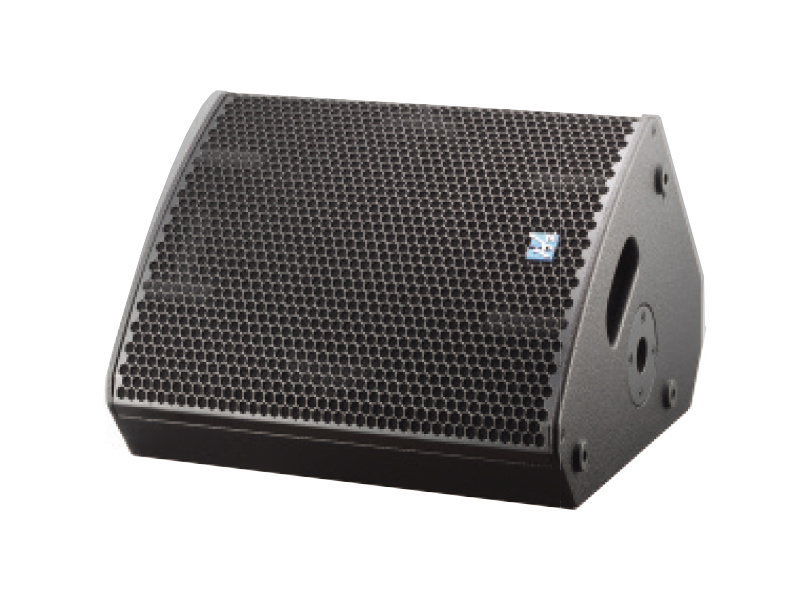
The design and build quality of stage monitor speakers are also critical. A durable, rugged construction is important since these speakers often endure the rigors of touring and live performances. Look for speakers with protective grills and robust enclosures that can withstand the wear and tear of frequent transport. Additionally, the shape and angle of the speakers contribute to their effectiveness on stage; wedge-shaped monitors are commonly used for their ability to project sound upward towards performers.
Portability and Weight
For touring musicians and event organizers, portability is a key consideration. Lightweight monitors are easier to transport, set up, and dismantle. Look for speakers that strike a balance between weight and durability. Some brands offer models that are specifically designed for easy transport, featuring ergonomic handles and stacking capabilities.
Power Handling and Efficiency
Power handling is another critical aspect to consider. It refers to the maximum amount of power a speaker can handle without distortion. Speakers with higher power ratings can deliver louder sound without compromising audio quality. Efficiency, measured in decibels (dB), indicates how much sound a speaker can produce from a given amount of power. High-efficiency speakers require less power to deliver the same output as their lower-efficiency counterparts.
Connectivity Options
Connectivity is essential for integrating stage monitor speakers into your audio system. Look for speakers with multiple input options, such as XLR, TRS, and RCA connectors, to offer flexibility in connecting various audio sources. Some monitors also come equipped with built-in mixing capabilities, allowing for greater control over the sound output.
Comparing Leading Brands of Stage Monitor Speakers
With numerous brands available in the market, it’s vital to compare their offerings to find the best fit for your needs. Here are three leading brands that consistently receive positive reviews in the industry:
Brand A: Overview and Features
Brand A is well-known for its robust sound quality and durable construction. Their range of stage monitor speakers features advanced technology that enhances audio fidelity. Many models include innovative design features, such as rotatable horns, which allow for better sound dispersion.
Brand B: Overview and Features
Brand B focuses on providing a balance between affordability and performance. Their monitors are praised for their lightweight design and ease of transport, making them ideal for touring musicians. Additionally, Brand B offers a range of connectivity options, catering to various audio setups.
Brand C: Overview and Features
Brand C is renowned for its premium sound quality and advanced features. Their speakers often include DSP (Digital Signal Processing) technology, which helps optimize sound quality in real-time. While they tend to be on the pricier side, many users find the investment worthwhile due to the exceptional audio performance.
Price and Value Considerations
When choosing stage monitor speakers, price is undoubtedly a significant factor. While it can be tempting to opt for the cheapest option available, it’s crucial to consider the value you receive for your investment. Higher-priced models often come with enhanced features, better sound quality, and more durable construction, ensuring longevity and superior performance. Establishing a budget and comparing features within that range can help you find the best value for your needs.
Frequently Asked Questions
1. What is the difference between active and passive stage monitor speakers?
Active speakers have built-in amplifiers, making them easier to set up and use. Passive speakers require an external amplifier, which can offer more flexibility in sound customization.
2. How do I determine the appropriate power rating for my stage monitor speakers?
Consider the size of the venue and the volume levels you need. For larger venues, seek speakers with higher wattage ratings to ensure adequate sound coverage and clarity.
3. Can I use stage monitor speakers for home audio setups?
While stage monitors can be used for home audio, they are specifically designed for live performances. Consider whether their sound characteristics align with your listening preferences.
4. How do I reduce feedback issues with stage monitor speakers?
Position monitors correctly, maintain a reasonable distance from microphones, and adjust equalization settings to minimize feedback.
5. What factors should I consider when transporting stage monitor speakers?
Weight, durability, and protective features are critical. Look for speakers designed for portability, with handles and robust construction to withstand transport.
Conclusion
Choosing the right stage monitor speakers is crucial for any live performance setup. By understanding the essential features and comparing leading brands, you can make a more informed decision that meets your audio needs. Prioritize sound quality, build design, portability, and connectivity options to find the best option for your unique situation. Investing in high-quality stage monitor speakers will enhance the performance experience for both artists and audiences, ensuring that every event is a memorable one.

CONTACT
Hzaudio Office Address: 16 st joins ave, mont Albert, Vic 3127, Australia
Hzaudio Lab Address: No. 455, Fuyi Road, Dalong Street, Panyu District, Guangzhou, China
Tel: +86 20-34882578 Cell:+86 18620144731
E-mail: sale@hzaudio.com
Follow Us On Wechat!