

How Stage Monitor Speakers Can Enhance Audience Experience in Live Performances
How Stage Monitor Speakers Can Enhance Audience Experience in Live Performances Introduction to Stage Monitor Speakers and Their Importance In the world of live performances, **stage monitor speakers** play a crucial role in delivering an exceptional experience for the audience. These specialized audio devices provide on-stage sound reinforcement for performers, enabling them to hear themselves an
Jun 19,2026
How Stage Monitor Speakers Can Enhance Audience Experience in Live Performances
Introduction to Stage Monitor Speakers and Their Importance
In the world of live performances, **stage monitor speakers** play a crucial role in delivering an exceptional experience for the audience. These specialized audio devices provide on-stage sound reinforcement for performers, enabling them to hear themselves and each other clearly. This clarity not only boosts the performers' confidence but also enhances the overall auditory experience for the audience.
In this article, we delve into how stage monitor speakers can significantly improve the audience experience. We will explore their functionalities, the various types available, and how they contribute to creating a memorable live event atmosphere.
Understanding the Functionality of Stage Monitor Speakers
What Are Stage Monitor Speakers?
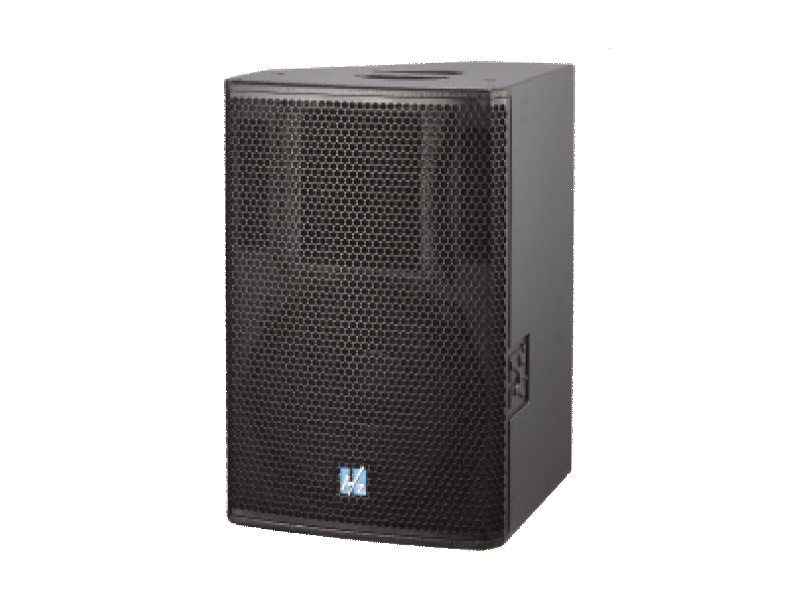
Stage monitor speakers, often referred to simply as **monitors**, are sound reinforcement systems strategically placed on stage to deliver audio directly to performers. Unlike traditional PA systems that project sound outwards into the audience, stage monitors ensure musicians can hear their performance, which is crucial for maintaining timing and pitch.
Types of Stage Monitor Speakers
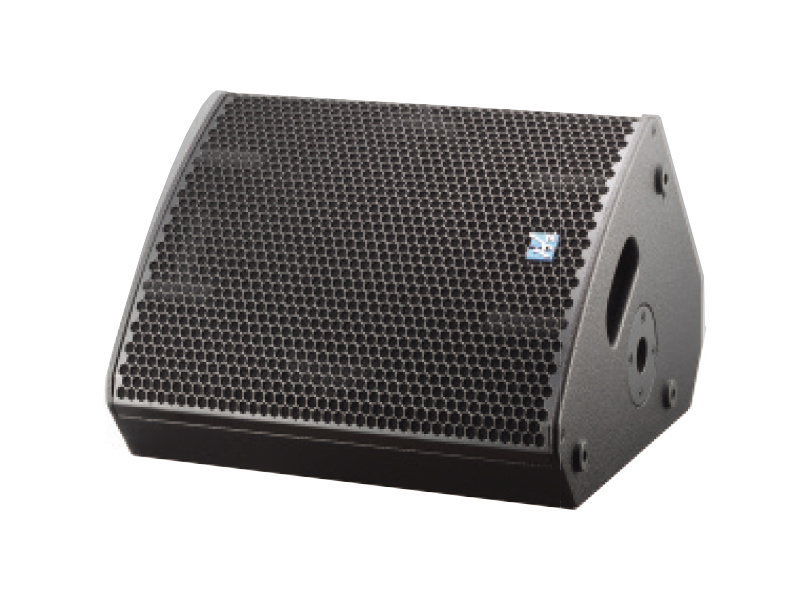
1. **Wedge Monitors**: The most common type, wedge monitors are angled speakers placed on the floor of the stage. They direct sound upward towards the performers.
2. **In-Ear Monitors**: These provide a personalized audio experience by delivering sound directly into the performer’s ears. They reduce stage noise and allow for precise sound control.
3. **Side Fill Monitors**: Positioned on the sides of the stage, these speakers cater to performers located farther away from the front monitors, ensuring everyone has adequate sound coverage.
4. **Column/Line Array Monitors**: These are typically used in larger venues, providing a more extensive sound range and coverage area.
The Role of Stage Monitor Speakers in Enhancing Audience Experience
1. Improved Sound Clarity
When performers can hear themselves clearly, they can deliver a better performance. This direct feedback loop ensures that they maintain pitch, timing, and emotional delivery. As a result, the audience enjoys a much clearer and more engaging performance.
2. Enhanced Performer Confidence
Knowing that they can hear themselves and their fellow performers boosts musicians' confidence. This confidence translates into a more dynamic performance, making the audience feel more connected to the event. The energy on stage often reflects in the audience's response, creating an electric atmosphere.
3. Tailored Sound Experience
With the right stage monitor setup, each performer can customize their sound mix. This customization allows them to prioritize different instruments or vocals, leading to a more cohesive sound for the audience. A well-balanced mix enhances the overall audio experience, making it more enjoyable for attendees.
Setting Up Stage Monitors for Optimal Performance
To maximize the benefits of stage monitor speakers, proper setup is essential. Here are some guidelines:
- **Positioning**: Place monitors at optimal angles and distances from performers to avoid feedback while providing clear sound.
- **Sound Checks**: Conduct thorough sound checks before the performance to ensure all monitors are functioning correctly and providing the intended sound mix.
- **Adjustments During Performance**: Have a dedicated sound engineer adjust monitor levels in real-time based on performer feedback.
The Technical Aspects of Stage Monitor Speakers
Understanding Audio Signal Processing
Quality stage monitor speakers utilize advanced audio signal processing technologies. This includes equalization, compression, and limiting, which help tailor the sound to the venue's acoustics.
Power Ratings and Impedance
When selecting stage monitor speakers, understanding power ratings and impedance is vital. Higher power ratings generally mean a louder output, which is essential for larger venues. Matching the speakers' impedance with the amplifier's output ensures optimal performance and prevents speaker damage.
Best Practices for Using Stage Monitor Speakers
1. Regular Maintenance and Testing
Like any equipment, stage monitor speakers require regular maintenance. Frequent testing ensures they are in peak condition, preventing sound issues during performances.
2. Use of Wireless Systems
Incorporating wireless monitor systems can provide more freedom of movement for performers. It eliminates the clutter of cables on stage, reducing tripping hazards and enhancing overall stage aesthetics.
3. Collaboration with Sound Engineers
Having a skilled sound engineer can significantly improve the use of stage monitors. Their expertise in mixing and balancing sound ensures that both performers and audience members have the best audio experience possible.
Case Studies of Successful Stage Monitor Use
Live Concerts and Festivals
Many renowned artists cite the importance of stage monitor speakers in their live performances. For example, during large festivals, artists often rely on in-ear monitors to create a personalized sound landscape amidst the chaos of a loud audience and multiple competing sounds.
Theatrical Productions
Theater productions also benefit significantly from stage monitor speakers. Actors need to hear cues from musicians or other performers without the audience perceiving the sound. This seamless integration of live sound enhances the dramatic impact of performances.
Challenges Faced with Stage Monitor Speakers
Feedback Issues
One of the most significant challenges with stage monitors is feedback. This occurs when the sound from the monitors is picked up by microphones, creating an unwanted loop. Proper positioning and use of directional microphones can mitigate this issue.
Environmental Noise
In outdoor venues, environmental noise can interfere with the effectiveness of stage monitors. In such cases, using higher-quality monitors and windshields for microphones can help maintain sound clarity.
Future Trends in Stage Monitor Technology
Advancements in Technology
As technology evolves, stage monitor speakers will continue to improve. Innovations like active monitors, which self-adjust based on ambient noise, are becoming more prevalent. Additionally, advancements in wireless technology will further enhance the flexibility of stage setups.
Sustainability in Stage Equipment
With the increasing emphasis on sustainability, manufacturers are exploring eco-friendly materials and energy-efficient designs for stage monitor speakers, ensuring that advancements in technology do not come at the expense of the environment.
Frequently Asked Questions (FAQs)
1. What are the benefits of using in-ear monitors over traditional wedge monitors?
In-ear monitors provide a personalized audio experience, reducing ambient noise and feedback. They also allow for greater mobility on stage.
2. How do I choose the right stage monitor speakers for my venue?
Consider the venue size, type of performance, and specific sound requirements. Consulting with a sound engineer can help in making the best choice.
3. Can stage monitors improve the performance quality of amateur musicians?
Yes, stage monitors can significantly enhance sound clarity and confidence, leading to better performances for musicians of all skill levels.
4. How often should stage monitor speakers be maintained?
Regular maintenance is essential. It’s advisable to check and test speakers before every performance and conduct more thorough maintenance monthly.
5. What common issues arise with stage monitor speakers?
Feedback, environmental noise, and improper positioning are common issues that can affect the performance of stage monitor speakers.
Conclusion
Stage monitor speakers are an integral component of the live performance experience, playing a pivotal role in ensuring that both performers and audiences enjoy a seamless auditory experience. By providing clarity, enhancing confidence, and allowing for sound customization, these speakers significantly improve the quality of live events. As technology continues to advance, we can expect even greater enhancements, ensuring that future performances are not only more immersive but also more enjoyable for everyone involved. Investing in high-quality stage monitor speakers and employing best practices in their use can elevate any live performance, creating unforgettable moments for both artists and audiences alike.
PREVIOUS:

CONTACT
Hzaudio Office Address: 16 st joins ave, mont Albert, Vic 3127, Australia
Hzaudio Lab Address: No. 455, Fuyi Road, Dalong Street, Panyu District, Guangzhou, China
Tel: +86 20-34882578 Cell:+86 18620144731
E-mail: sale@hzaudio.com
Follow Us On Wechat!