

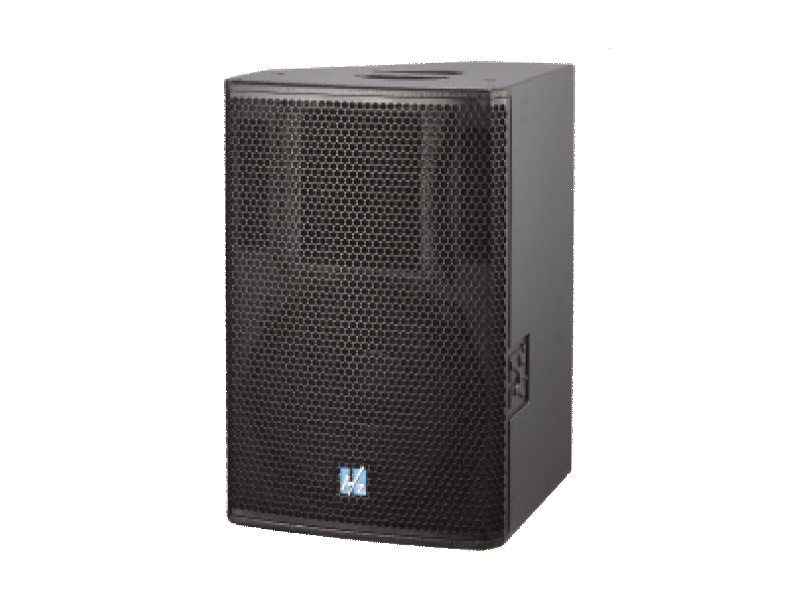
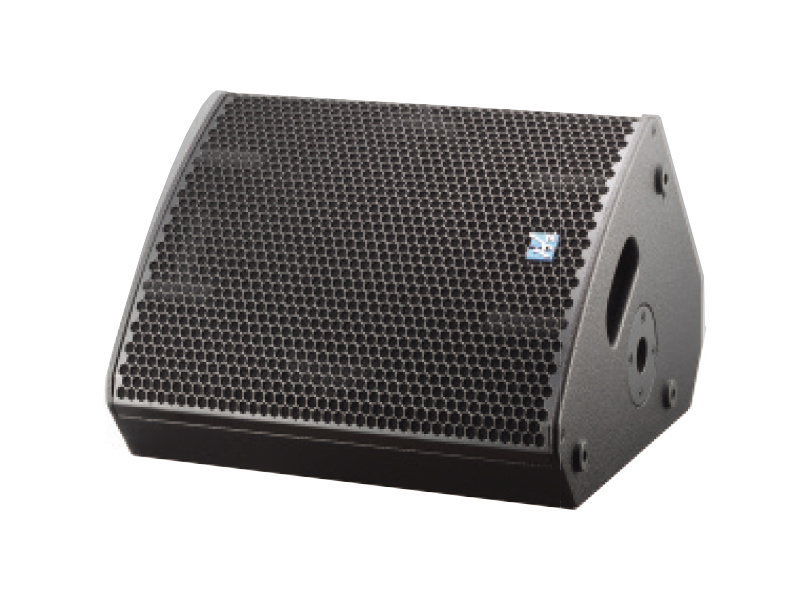
Unlocking the Full Potential of Your Music with Active Monitor Speakers
Unlocking the Full Potential of Your Music with Active Monitor Speakers Table of Contents Introduction to Active Monitor Speakers What Are Active Monitor Speakers? Benefits of Using Active Monitor Speakers Key Features of Active Monitor Speakers How to Choose the Right Active Monitor Speakers Setting Up Your Active Monitor Speakers Common Mistakes to Avoid When Using A
Jun 21,2026
Unlocking the Full Potential of Your Music with Active Monitor Speakers
Table of Contents
- Introduction to Active Monitor Speakers
- What Are Active Monitor Speakers?
- Benefits of Using Active Monitor Speakers
- Key Features of Active Monitor Speakers
- How to Choose the Right Active Monitor Speakers
- Setting Up Your Active Monitor Speakers
- Common Mistakes to Avoid When Using Active Monitor Speakers
- Maintenance and Care for Your Active Monitor Speakers
- Conclusion
- FAQs
Introduction to Active Monitor Speakers
In the realm of audio equipment, **active monitor speakers** stand out for their exceptional ability to deliver accurate sound reproduction. Whether you are a music enthusiast, an audio engineer, or someone who simply enjoys high-quality sound, understanding the functionality and advantages of these speakers can significantly enhance your listening experience. This guide aims to unlock the full potential of your music through the insightful use of active monitor speakers.
What Are Active Monitor Speakers?
Active monitor speakers are professional audio devices designed to provide a clear and precise audio experience. Unlike passive speakers, which require an external amplifier, active monitors have built-in amplifiers tailored to the speakers' specific characteristics. This design eliminates compatibility issues and ensures optimal performance.
Active speakers are commonly used in recording studios, home theaters, and by audiophiles who demand the best audio quality. They are engineered to reproduce sound accurately across a range of frequencies, making them ideal for critical listening.
Benefits of Using Active Monitor Speakers
Using active monitor speakers offers several advantages, making them a preferred choice for professionals and home users alike.
1. Accurate Sound Reproduction
Active monitor speakers are designed for precision. Their built-in amplifiers are fine-tuned to match the speaker drivers, allowing for a faithful reproduction of audio signals. This accuracy ensures that you hear your music as the artist intended.
2. Built-In Amplification
The convenience of not needing an external amplifier is a significant benefit. The integrated amplification simplifies your setup and reduces the number of cables, resulting in a cleaner workspace or entertainment area.
3. Enhanced Frequency Response
Active monitors are engineered to deliver a wide frequency response, providing rich lows, detailed mids, and crystal-clear highs. This comprehensive frequency range makes them perfect for all genres of music.
4. Versatile Connectivity Options
Most active monitor speakers come equipped with various connectivity options, including XLR, TRS, and RCA inputs. This versatility allows users to connect their audio equipment seamlessly, whether they are using a computer, mixer, or audio interface.
5. Room Correction Features
Many modern active monitor speakers include built-in room correction technologies that optimize sound based on your listening environment. This feature helps eliminate acoustic problems, ensuring consistent sound quality regardless of room characteristics.
Key Features of Active Monitor Speakers
When selecting active monitor speakers, several key features should be considered to maximize your audio experience.
1. Driver Size
The size of the drivers plays a crucial role in sound production. Larger drivers typically produce deeper bass, while smaller drivers excel in high-frequency response. Aim for a balance that suits your listening preferences.
2. Power Output
The power output of active monitor speakers—measured in watts—indicates their loudness and performance capabilities. For home use, speakers between 50 to 100 watts typically suffice, while larger spaces or professional settings may require higher output levels.
3. Frequency Response Range
A broader frequency response range indicates the speaker's ability to reproduce sound across different tones. Look for speakers with a range from 40 Hz to 20 kHz for comprehensive audio reproduction.
4. Active vs. Passive Radiators
Some active monitor speakers use passive radiators to enhance bass response without adding extra power. This feature can provide a deeper low-end sound, enriching your overall listening experience.
5. Tweeter and Woofer Design
Different designs of tweeters and woofers can affect sound quality significantly. Consider materials and construction styles that enhance sound clarity and durability.
How to Choose the Right Active Monitor Speakers
Selecting the perfect active monitor speakers involves considering several factors based on your needs and preferences.
1. Define Your Purpose
Are you using the speakers for music production, casual listening, or home theater? Understanding the primary use will help narrow down your choices.
2. Assess Room Size
The size of your room will influence the type of speakers you should select. Larger spaces may benefit from powerful monitors with larger drivers, whereas compact speakers might be ideal for smaller rooms.
3. Budget Considerations
Set a budget for your purchase. Active monitor speakers are available in a wide price range, so knowing your budget will help you find options that meet your needs without overspending.
4. Read Reviews and Test Speakers
Before making a decision, read reviews from other users and, if possible, test the speakers in-store. Listening to different models will provide a firsthand experience of their sound quality.
5. Check for Warranty and Support
Ensure that your selected speakers come with a warranty and reliable customer support. This safety net is crucial for any electronic purchase.
Setting Up Your Active Monitor Speakers
Proper setup is essential to maximize the performance of your active monitor speakers.
1. Placement Matters
Position your speakers at ear level and at least a few feet away from walls to minimize reflections. Creating an equilateral triangle between your listening position and the speakers can enhance soundstage and stereo imaging.
2. Use Isolation Pads
Consider using isolation pads to decouple the speakers from the surface they sit on. This helps reduce vibrations and improves sound clarity.
3. Connect Properly
Ensure all connections are secure and correctly wired. Use high-quality cables to minimize signal loss and interference.
4. Adjust Settings
Take advantage of any EQ settings or room correction features on your speakers. Tailor the sound to your listening environment for optimal performance.
5. Test and Calibrate
After setup, play various audio tracks to gauge performance. Make any necessary adjustments to positioning or settings for an improved listening experience.
Common Mistakes to Avoid When Using Active Monitor Speakers
To get the most out of your active monitor speakers, avoid these common pitfalls.
1. Neglecting Room Acoustics
Ignoring the acoustics of your room can lead to poor sound quality. Invest in acoustic treatment solutions, such as bass traps and diffusers, to enhance the listening environment.
2. Overpowering the Speakers
Pushing your speakers beyond their limits can cause distortion and damage. Be mindful of volume levels and avoid excessive gain.
3. Incorrect Placement
Placing speakers too close to walls or in corners can result in muddy sound. Ensure proper spacing for optimal audio clarity.
4. Not Utilizing EQ Settings
Many active monitors come equipped with built-in EQ options. Failing to adjust these settings can prevent you from experiencing the full potential of your speakers.
5. Skipping Regular Maintenance
Regularly check your speakers for dust and wear. Keeping them clean and in good condition will prolong their lifespan and maintain sound quality.
Maintenance and Care for Your Active Monitor Speakers
Taking care of your active monitor speakers will ensure they perform at their best for years to come.
1. Clean Regularly
Dust and debris can accumulate on the speaker cones and connections. Use a soft, dry cloth to clean them without causing damage.
2. Store Properly
If you need to store your speakers, keep them in a cool, dry place away from direct sunlight. This helps to prevent deterioration of materials.
3. Monitor for Damage
Periodically inspect your speakers for signs of wear or damage. Addressing issues early can prevent more significant problems later.
4. Update Firmware
If your active monitor speakers include firmware updates, ensure you keep them current. Updates can improve performance and introduce new features.
5. Seek Professional Help if Needed
If your speakers experience technical issues, don't hesitate to consult a professional technician. Avoid attempting repairs without the necessary expertise.
Conclusion
Active monitor speakers are an invaluable investment for anyone looking to elevate their audio experience. By understanding their features, benefits, and proper usage, you can unlock the full potential of your music. Whether you're a professional in the music industry or an avid listener, the clarity and accuracy offered by these speakers can vastly improve your sound enjoyment. Remember to choose wisely, set up properly, and maintain your equipment, ensuring years of superior audio quality.
FAQs
1. What is the difference between active and passive speakers?
Active speakers have built-in amplifiers, while passive speakers require an external amplifier for sound.
2. Can I use active monitor speakers for casual listening?
Yes, active monitor speakers are suitable for both professional and casual listening experiences.
3. How do I know if my room is suitable for active monitor speakers?
Evaluate the size and shape of your room, as well as any reflective surfaces that may affect sound quality.
4. Do I need a special audio interface for my active monitor speakers?
Not necessarily. As long as your audio source has compatible outputs, you can connect your monitors without a specialized interface.
5. How often should I clean my active monitor speakers?
Regular maintenance is essential; cleaning them every few months should suffice to keep them in good condition.

CONTACT
Hzaudio Office Address: 16 st joins ave, mont Albert, Vic 3127, Australia
Hzaudio Lab Address: No. 455, Fuyi Road, Dalong Street, Panyu District, Guangzhou, China
Tel: +86 20-34882578 Cell:+86 18620144731
E-mail: sale@hzaudio.com
Follow Us On Wechat!