

Understanding Passive PA Speakers: Essential Insights for Professionals
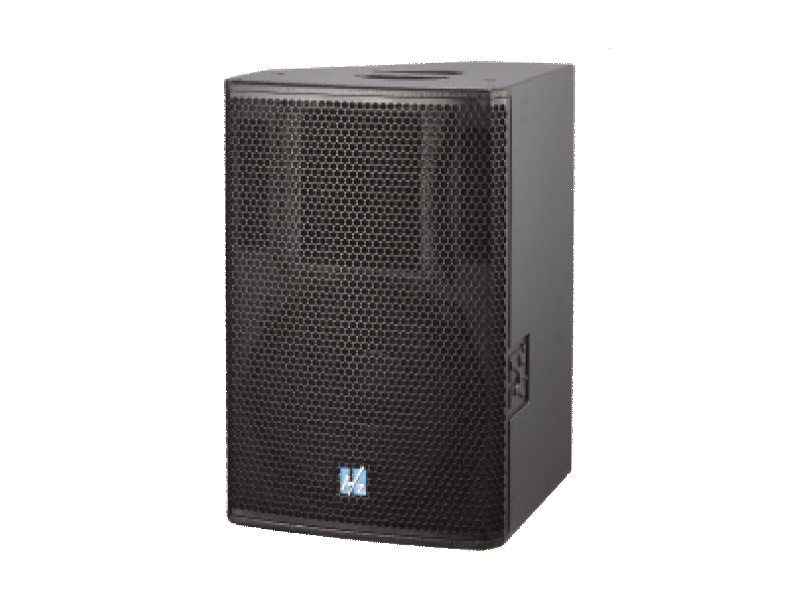
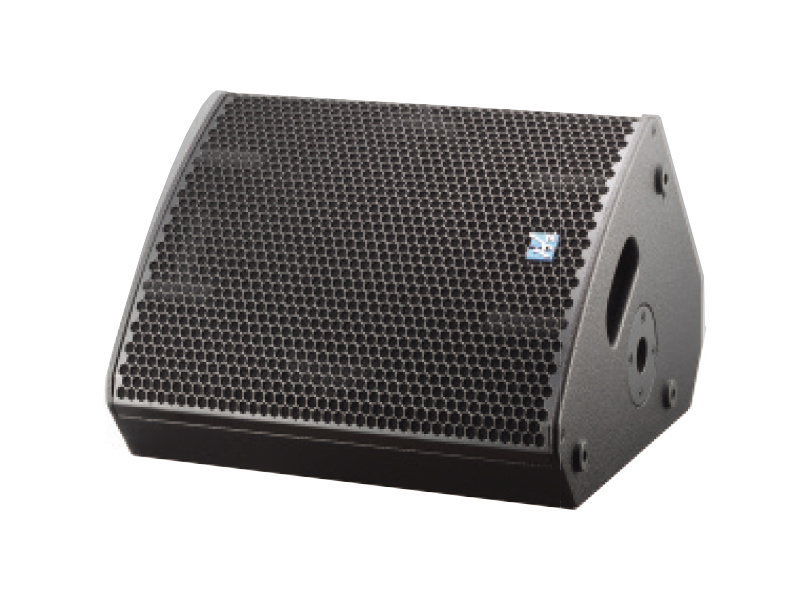
Passive PA speakers have become a staple in the professional audio landscape, particularly for those involved in live sound reinforcement, installations, and various events. Unlike their active counterparts, passive PA speakers do not have built-in amplifiers; instead, they require an external amplifier or audio interface to power them. This article aims to provide a comprehensive overview of pass
Jun 22,2026
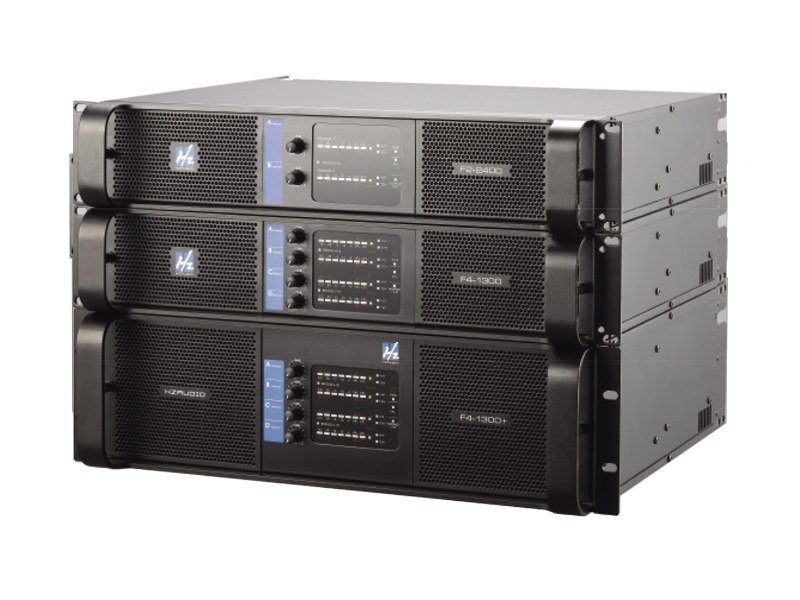
One of the primary advantages of passive PA speakers is their versatility. Because they rely on external amplification, professionals can choose amplifiers that best suit their sound reinforcement requirements. This flexibility allows for a tailored approach when it comes to audio performance, enabling users to adjust the system according to venue size, audience, and specific sound characteristics. Whether you are working in a small venue or a large outdoor concert, the ability to mix and match components can lead to enhanced sound quality.
Moreover, passive PA speakers are often lighter and more compact than active speakers. This can be particularly beneficial for mobile sound engineers and DJs who need to transport equipment frequently. The reduction in weight and size can also make setup and teardown significantly more manageable, allowing for a more efficient workflow when managing events.
When considering passive PA speakers, it’s crucial to pay attention to the speaker's impedance and power handling capabilities. It is essential to ensure that the amplifier used matches these specifications to prevent damage to the speakers and to achieve optimal sound performance. Additionally, understanding the frequency response of the speakers can help in selecting the right model for specific applications, ensuring that the audio output aligns with the desired sound profile.
In terms of applications, passive PA speakers are well-suited for a variety of environments, including concert halls, bars, and corporate events. Their adaptability makes them a popular choice among sound professionals. However, it is also important to implement proper setup techniques, such as speaker placement and equalization, to maximize audio quality.
In conclusion, passive PA speakers offer numerous advantages, including versatility, portability, and customizable sound performance, making them a valuable asset for audio professionals. By understanding their characteristics and considering key factors like impedance and power handling, users can effectively implement passive PA speakers into their sound systems, resulting in superior audio experiences for audiences. Whether you are setting up a small gig or a large event, passive PA speakers can be a reliable and efficient choice to meet your audio needs.
PREVIOUS:

CONTACT
Hzaudio Office Address: 16 st joins ave, mont Albert, Vic 3127, Australia
Hzaudio Lab Address: No. 455, Fuyi Road, Dalong Street, Panyu District, Guangzhou, China
Tel: +86 20-34882578 Cell:+86 18620144731
E-mail: sale@hzaudio.com
Follow Us On Wechat!