

The Anatomy of Stage Monitor Speakers: What Makes Them Unique?
The Anatomy of Stage Monitor Speakers: What Makes Them Unique? Table of Contents 1. What are Stage Monitor Speakers? 2. Importance of Stage Monitor Speakers in Live Performances 3. How Stage Monitor Speakers Work 4. Unique Features of Stage Monitor Speakers 5. Types of Stage Monitor Speakers 6. Choosing the Right Stage Monitor Speaker 7. Maintaining Stage Monitor Speak
Jun 27,2026
The Anatomy of Stage Monitor Speakers: What Makes Them Unique?
Table of Contents
- 1. What are Stage Monitor Speakers?
- 2. Importance of Stage Monitor Speakers in Live Performances
- 3. How Stage Monitor Speakers Work
- 4. Unique Features of Stage Monitor Speakers
- 5. Types of Stage Monitor Speakers
- 6. Choosing the Right Stage Monitor Speaker
- 7. Maintaining Stage Monitor Speakers for Longevity
- 8. Frequently Asked Questions
- 9. Conclusion
1. What are Stage Monitor Speakers?
Stage monitor speakers are specialized loudspeakers designed to provide performers with real-time audio feedback during live performances. Unlike standard speakers that project sound toward an audience, stage monitors are aimed at the stage itself, allowing musicians, actors, or speakers to hear themselves and their fellow performers clearly. This capability is crucial for maintaining timing and harmony in live settings.
2. Importance of Stage Monitor Speakers in Live Performances
The significance of stage monitor speakers cannot be overstated. They are essential for several reasons:
Enhanced Performance Quality
For performers, the ability to hear their own voice or instrument is vital. Without the clarity provided by stage monitors, musicians risk losing their pitch and timing, detrimental to the overall performance quality.
Real-Time Feedback
Stage monitors serve as an instant feedback system. They allow performers to adjust their volume or timing based on what they hear, fostering better communication among members of a band or theater cast.
Audience Experience
When performers can hear themselves clearly, they deliver a better performance, ultimately enhancing the audience's experience. The emotional connection between the performance and the audience is significantly heightened when performers are confident in what they hear.
3. How Stage Monitor Speakers Work
Stage monitor speakers operate in a unique manner to cater to the needs of live performers. Here's a closer look at the technology behind them:
Direct Sound Projection
Unlike traditional speakers, which disperse sound in all directions, stage monitors are designed for direct sound projection. This focus minimizes sound interference from other instruments or vocals on stage, providing a clearer mix for the performer.
Low Distortion
Quality stage monitor speakers are engineered to deliver low distortion levels. This quality ensures that the sound produced remains faithful to the original input, allowing performers to hear every nuance of their sound.
Adjustable Angles
Many stage monitors come equipped with adjustable angles, allowing sound technicians to position them optimally for each performer. This feature ensures that the sound reaches the intended audience—namely, the performer—without unwanted reflections from the stage surface.
4. Unique Features of Stage Monitor Speakers
Several features make stage monitor speakers stand out from regular loudspeakers:
Customizable Sound Profiles
High-quality stage monitors often allow customization of sound profiles. Performers can adjust treble, midrange, and bass levels to match their unique preferences.
Durability and Portability
Stage monitor speakers are built to withstand the rigors of live performances. Their robust design ensures longevity while their lightweight nature makes them easy to transport between gigs.
Integrated Mixing Capabilities
Some stage monitors come with built-in mixing capabilities, allowing sound engineers to control levels directly from the monitor. This eliminates the need for separate mixing equipment on stage.
5. Types of Stage Monitor Speakers
There are various types of stage monitors, each designed for specific applications:
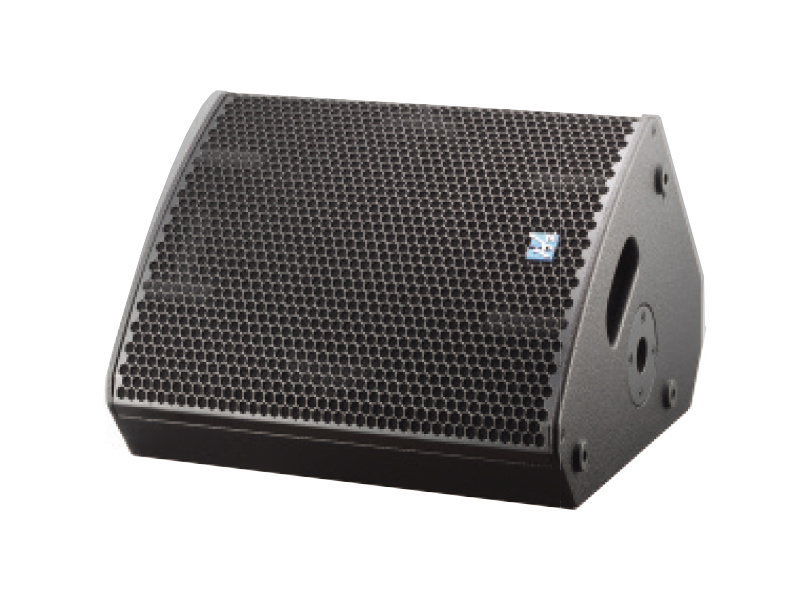
Wedge Monitors
Wedge monitors are the most common type, featuring a triangular shape that allows them to be placed on the stage floor. Their design enables performers to hear themselves without obstruction.
In-Ear Monitors (IEMs)
In-ear monitors provide performers with a more personal sound experience. They deliver audio directly into the ear, minimizing external noise and allowing for precise sound control.
Side-Fill Monitors
Side-fill monitors are usually used in larger stages alongside traditional wedges. They project sound across the stage to ensure all performers hear a balanced mix.
6. Choosing the Right Stage Monitor Speaker
Selecting the right stage monitor involves several considerations:
Sound Quality
Prioritize sound quality by looking for monitors with a broad frequency response and low distortion rates. Quality audio is crucial for performance success.
Power Handling
Ensure that the monitor can handle the power required for your performance style. Higher power handling means a louder output without distortion.
Portability
Consider the weight and size of the monitor, especially if you are frequently transporting them. Look for compact, lightweight options for convenience.
7. Maintaining Stage Monitor Speakers for Longevity
Proper maintenance extends the life of stage monitor speakers. Here are some tips:
Regular Cleaning
Dust and debris can accumulate on the speaker components. Regular cleaning of grilles and surfaces helps maintain sound quality.
Check Connections
Regularly check and secure all connections. Loose cables can lead to sound issues or damage to the speakers.
Storage Conditions
Store monitors in a dry, temperature-controlled environment to prevent damage from humidity or extreme temperatures.
8. Frequently Asked Questions
What is the difference between stage monitors and regular speakers?
Stage monitors are specifically designed for performers to hear themselves, while regular speakers are meant for audience sound projection.
Can I use stage monitors for home audio?
While possible, stage monitors are tailored for professional use. Home audio systems are typically designed for different acoustics and listening experiences.
Do I need a separate amplifier for stage monitors?
Many stage monitors are passive and require a separate amplifier, while others are powered and can be plugged directly into a sound source.
How can I reduce feedback from stage monitors?
To minimize feedback, ensure that monitors are positioned correctly and adjust sound levels to avoid excessive gain.
Are in-ear monitors better than wedge monitors?
It depends on personal preference. In-ear monitors offer a more isolated sound experience, while wedge monitors provide an ambient stage sound.
9. Conclusion
Stage monitor speakers play a pivotal role in the world of live performances. Their unique design, features, and functionalities specifically cater to the needs of performers, providing them with the real-time audio feedback necessary for exceptional stage presence and musical clarity. Whether you are a seasoned musician or a budding performer, understanding the anatomy of stage monitor speakers and their importance can elevate your live performance experience. By choosing the right type of monitor, maintaining it properly, and utilizing it effectively, you can ensure that both you and your audience enjoy a memorable auditory experience every time you hit the stage.

CONTACT
Hzaudio Office Address: 16 st joins ave, mont Albert, Vic 3127, Australia
Hzaudio Lab Address: No. 455, Fuyi Road, Dalong Street, Panyu District, Guangzhou, China
Tel: +86 20-34882578 Cell:+86 18620144731
E-mail: sale@hzaudio.com
Follow Us On Wechat!