

Why You Should Invest in Quality Stage Monitor Speakers for Optimal Performance
Why You Should Invest in Quality Stage Monitor Speakers for Optimal Performance In the world of live performances, sound quality is paramount. Whether you’re a musician, a public speaker, or part of a theatrical production, having the right audio setup can make or break your event. One critical component often overlooked is stage monitor speakers. In this article, we will explore why investing in
Jul 05,2026
Why You Should Invest in Quality Stage Monitor Speakers for Optimal Performance
In the world of live performances, sound quality is paramount. Whether you’re a musician, a public speaker, or part of a theatrical production, having the right audio setup can make or break your event. One critical component often overlooked is stage monitor speakers. In this article, we will explore why investing in high-quality stage monitor speakers is essential for achieving optimal sound performance in any live setting.
Understanding Stage Monitor Speakers
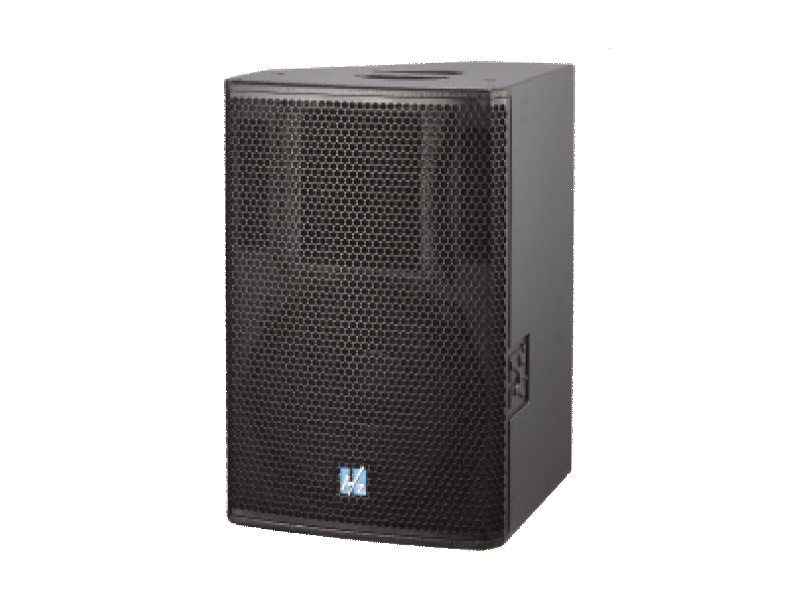
Stage monitor speakers are specially designed to provide performers with a clear and accurate audio feed during live events. Unlike traditional speakers that aim to project sound to the audience, monitors are positioned on stage to ensure that the performers can hear themselves and each other. This capability is crucial for maintaining timing, pitch, and overall performance quality.
The Role of Stage Monitors in Live Performances
Stage monitors serve several critical functions during live performances:
- Sound Clarity: They allow performers to hear the music or dialogue clearly, ensuring they stay in sync.
- Feedback Control: Quality monitors help minimize feedback issues that can arise from traditional speakers.
- Personalized Mix: Performers can often customize their mix to hear exactly what they need, be it vocals, instruments, or backing tracks.
Reasons to Invest in Quality Stage Monitor Speakers
1. Enhanced Sound Quality
One of the most significant advantages of investing in quality stage monitor speakers is the enhanced sound quality they provide. High-end monitors reproduce audio accurately across a wide frequency range, ensuring that every note and nuance is delivered clearly. This clarity is especially important in noisy environments where distractions may otherwise hinder a performer’s ability to focus.
2. Improved Performer Confidence
When performers can hear themselves and their fellow musicians clearly, their confidence levels rise. Quality stage monitors reduce the chances of off-pitch notes or missed cues, leading to a more assured performance. This boost in confidence can translate directly into a more engaging and captivating show for the audience.
3. Precision in Live Sound Mixing
High-quality stage monitor speakers enable sound engineers to create precise mixes tailored specifically for performers. This customization is vital for balancing different instruments and vocals, ensuring that each element of the performance is heard as intended. When sound engineers can deliver personalized mixes, it allows performers to focus on their artistry without distraction.
Types of Stage Monitors: Choosing the Right One
Stage monitors come in various types, each with its own set of advantages. Understanding the differences can help you make an informed choice:
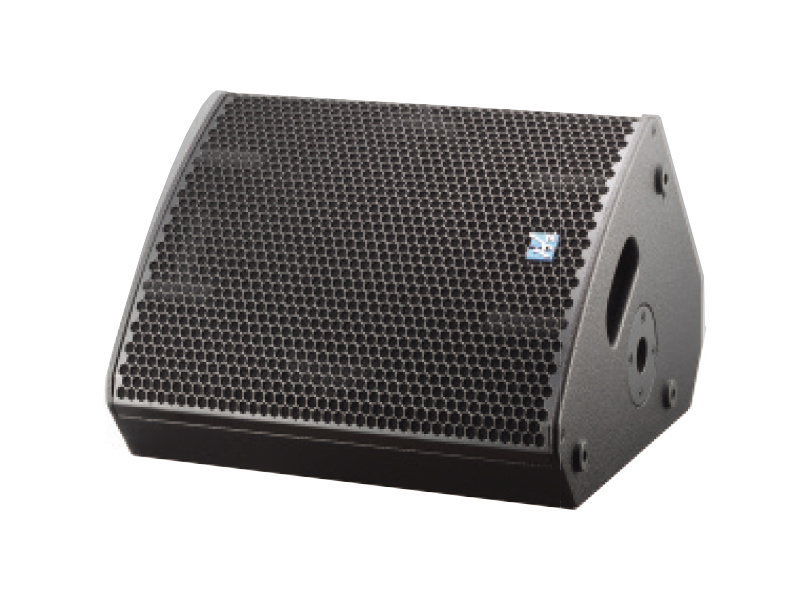
- Wedge Monitors: These are the most common type and are placed on the floor at an angle towards the performer. They are great for vocalists and musicians alike.
- In-Ear Monitors: These provide a more personal monitoring experience, reducing stage volume and allowing performers to hear a clear mix directly in their ears.
- Active vs. Passive Monitors: Active monitors have built-in amplifiers and are easier to set up, while passive monitors require external amplification but may offer better sound quality.
Long-Term Cost Efficiency
While high-quality stage monitor speakers may come with a more substantial initial investment, they offer long-term cost efficiency. Cheaper monitors may need frequent replacement or repairs, leading to higher overall costs. Investing in durable, high-quality equipment from the outset can save money over time while ensuring reliability during performances.
4. Versatility Across Different Venues
High-quality stage monitors are designed to perform well in various settings, from intimate club gigs to large outdoor festivals. Their ability to deliver consistent sound quality regardless of the venue makes them a valuable asset for any performing artist or sound engineer. This versatility ensures that no matter where you perform, your audio will always meet professional standards.
5. Building a Professional Image
Using quality stage monitor speakers not only enhances performance but also conveys professionalism. Audiences and fellow musicians recognize the importance of good sound and will appreciate the effort put into investing in high-quality equipment. A polished sound can elevate your reputation, leading to more bookings and opportunities in the future.
Key Features to Look for in Stage Monitor Speakers
1. Power Handling
The power handling capability of a monitor speaker is crucial for delivering clear sound at high volumes. Look for speakers that can handle the wattage required for your performance space.
2. Frequency Response
A wide frequency response ensures that your monitors can reproduce both low bass notes and high treble sounds effectively. A good range typically starts around 50 Hz and goes up to 20 kHz.
3. Build Quality and Durability
Invest in monitors that are built to withstand the rigors of live performances. Look for robust construction and durable materials that can handle transport and setup.
4. Connectivity Options
Consider the connectivity options available with your stage monitor speakers. Balanced XLR inputs are preferable for reducing noise and ensuring a clean signal. Additionally, some monitors offer daisy-chaining capabilities for easier setup.
5. Portability
If you frequently move between venues, opt for monitors that are lightweight and easy to transport. Integrated handles and compact designs can make a significant difference in setup time.
FAQs
1. How do I choose the right stage monitor speakers for my needs?
Consider the size of your performance space, the genres of music, and your personal preferences for sound. Pay attention to power handling, frequency response, and connectivity options to find the best fit.
2. Are in-ear monitors better than traditional wedge monitors?
In-ear monitors can provide clearer sound and reduce stage volume, but they may require additional equipment and can take time to get used to. Wedge monitors are more common and can provide a fuller sound experience.
3. How can I prevent feedback when using stage monitor speakers?
Positioning monitors correctly, using directional microphones, and controlling the mix can help minimize feedback issues. Additionally, investing in quality monitors designed to reduce feedback can make a significant difference.
4. What maintenance do stage monitor speakers require?
Regularly check connections and cables for wear and tear, clean the speaker surfaces, and store them properly to avoid damage. Regular maintenance ensures longevity and performance quality.
5. Can I use stage monitor speakers for recorded music playback?
Yes, high-quality stage monitors can also be used for recorded music playback, making them versatile tools for both live performances and studio environments.
Conclusion
Investing in quality stage monitor speakers is essential for any performer or sound engineer who aims to deliver an exceptional audio experience. With enhanced sound clarity, improved confidence, and greater versatility, high-quality monitors can significantly impact live performances. By considering the right features and understanding the benefits, you can make an informed decision that elevates your audio capabilities and enhances your professional image. Don't overlook the importance of this investment; it could be the key to unlocking your full potential on stage.
PREVIOUS:

CONTACT
Hzaudio Office Address: 16 st joins ave, mont Albert, Vic 3127, Australia
Hzaudio Lab Address: No. 455, Fuyi Road, Dalong Street, Panyu District, Guangzhou, China
Tel: +86 20-34882578 Cell:+86 18620144731
E-mail: sale@hzaudio.com
Follow Us On Wechat!