

Adapting Your Live Sound Speakers for Different Genres of Music: A Comprehensive Guide
Adapting Your Live Sound Speakers for Different Genres of Music In the world of live sound, the quality of audio output can significantly impact the overall experience for both performers and audiences. One of the key factors influencing sound quality is the choice and configuration of live sound speakers. Different genres of music demand unique sonic characteristics, and adapting your speakers ac
Jul 27,2026
Adapting Your Live Sound Speakers for Different Genres of Music
In the world of live sound, the quality of audio output can significantly impact the overall experience for both performers and audiences. One of the key factors influencing sound quality is the choice and configuration of live sound speakers. Different genres of music demand unique sonic characteristics, and adapting your speakers accordingly can elevate your sound to new heights. This comprehensive guide delves into the intricacies of optimizing your live sound speakers to suit a variety of musical styles.
Understanding the Basics of Live Sound Systems
Before diving into genre-specific adaptations, it’s essential to understand the fundamental components of a live sound system. A typical system includes microphones, mixers, amplifiers, and speakers. The speakers are the final link in this chain, responsible for projecting sound to the audience.
The Role of Frequency Response
Frequency response is a crucial aspect of speaker performance. It refers to the range of frequencies a speaker can reproduce accurately. Different genres emphasize varying frequency ranges:
- Rock and Pop: These genres often require speakers that excel in mid and high frequencies to capture vocals and electric guitars.
- Jazz: Jazz music benefits from speakers with a broader frequency range to accommodate intricate instrumentals.
- Classical: Sound systems for classical music should focus on clarity and detail, especially in the low frequencies to reproduce the richness of orchestral sounds.
Choosing the Right Speaker Type
The type of speakers you choose can greatly affect the sound quality. There are generally two types of speakers used in live sound:
- Passive Speakers: Require an external amplifier. They tend to offer greater flexibility in speaker selection.
- Active Speakers: Have built-in amplification. These speakers are generally easier to set up and manage.
Adapting Speakers for Different Genres
Each music genre has specific characteristics that necessitate different approaches when configuring sound systems. Here’s how to adapt your live sound speakers for various musical styles:
Rock and Pop Music
Rock and pop music thrives on energy and presence. To effectively adapt your speakers for these genres, consider the following:
- Utilize High-Efficiency Speakers: These speakers can handle high sound pressure levels, ensuring clarity and loudness without distortion.
- Focus on Midrange Frequencies: Make sure your speakers excel in the midrange to capture vocals and instruments like guitars and keyboards.
- Incorporate Subwoofers: Adding subwoofers to your setup can enhance the bass response, adding depth to your sound.
Jazz and Blues Music
When it comes to jazz and blues, the emphasis is on subtlety and nuance. Here’s how to adapt your setup:
- Choose Wide-Ranged Speakers: Opt for speakers that can reproduce low, mid, and high frequencies accurately to capture the complexity of instruments.
- Employ Low Distortion Rates: Speakers with low distortion rates will provide a clearer interpretation of the music.
- Consider Acoustic Treatment: If performing in smaller venues, acoustic treatment can help reduce reflections and improve sound clarity.
Classical Music
Classical music demands a refined approach to audio output. Here are key considerations:
- Full-Range Speakers: Select speakers that provide a wide frequency response to accurately reproduce orchestral arrangements.
- Use Multiple Speaker Types: Implement a combination of speakers, including floor-standing models and subwoofers, to create a full soundstage.
- Placement and Orientation: Properly orient your speakers to ensure even distribution of sound across the venue.
Electronic and Dance Music
For electronic and dance music, the focus is often on bass and rhythm. Here’s how to adapt your speakers:
- Prioritize Subwoofer Integration: Use powerful subwoofers to handle the heavy bass lines characteristic of these genres.
- Implement Active Speakers: Active speakers can simplify setup and provide consistent sound quality at high volumes.
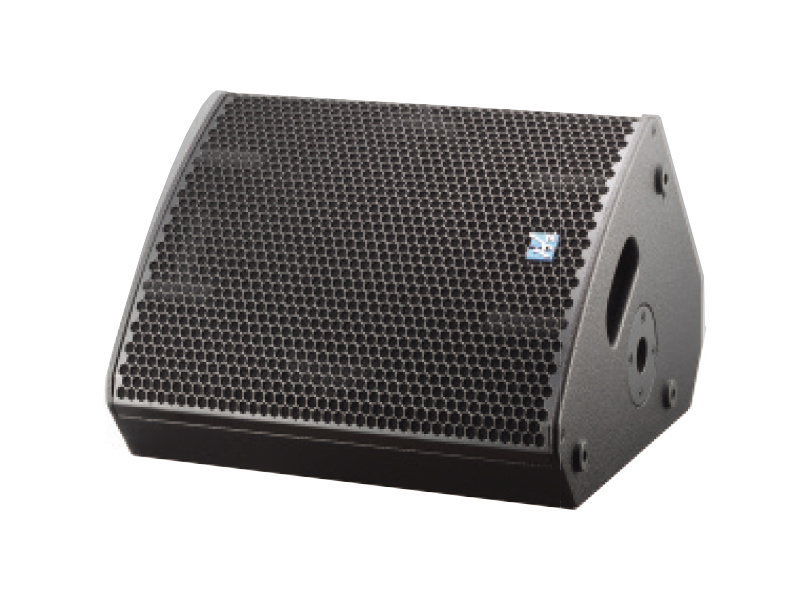
- Utilize DJ Monitors: Incorporating DJ monitors can help DJs hear their mixes clearly while maintaining high energy on stage.
Technical Considerations for Speaker Setup
Adapting speakers for different genres involves not just the speakers themselves but also how they are set up. Here are technical considerations to keep in mind:
Speaker Placement Strategies
Proper speaker placement can drastically enhance sound quality. Here are some tips:
- Elevation: Elevate your speakers to ear level to ensure direct sound delivery.
- Angle: Angle speakers toward the audience to optimize sound projection.
- Spacing: Maintain adequate space between speakers to reduce interference and enhance clarity.
Using Equalizers for Genre Specificity
Employing equalizers can fine-tune your speakers to match the genre's requirements:
- Boosting Specific Frequencies: Increase levels of frequencies that enhance the genre’s characteristics, such as boosting the lows for hip-hop.
- Cutting Unwanted Frequencies: Reduce frequencies that cause feedback or muddy sound, particularly in genres with dense instrumentation.
Maintaining Your Sound Equipment
Proper maintenance of your sound equipment is crucial for consistent performance. Here are some tips:
- Regular Inspections: Check for any physical damage or wear and tear on your speakers.
- Keep Connections Clean: Clean your cables and connections to ensure optimal signal transfer.
- Store Properly: When not in use, store your equipment in a climate-controlled environment to prevent damage.
FAQs
1. How do I choose the right speakers for my genre?
Consider the specific sound characteristics required by your genre, including frequency response and power handling.
2. Can I use the same speakers for all genres?
While it’s possible, adapting your speakers for specific genres will improve overall sound quality and audience experience.
3. What is the importance of speaker placement?
Proper placement ensures optimal sound projection and clarity, significantly enhancing the listening experience.
4. How often should I maintain my sound equipment?
Regular maintenance checks every few months are recommended, with more frequent checks for high-use equipment.
5. Do I need a subwoofer for all genres?
Subwoofers are essential for genres with a strong bass presence, like electronic and hip-hop, but may not be necessary for acoustic or classical music.
Conclusion
Adapting your live sound speakers for different genres of music is crucial for delivering exceptional audio experiences. By understanding the unique demands of each genre and employing strategic adaptations, you can significantly enhance your sound quality. Whether you're a sound engineer, a musician, or an audiophile, the knowledge and techniques outlined in this guide will empower you to make informed decisions about your live sound setup. Elevate your performances, engage your audiences, and enjoy the rich diversity of music by utilizing the right speaker adaptations for every genre.

CONTACT
Hzaudio Office Address: 16 st joins ave, mont Albert, Vic 3127, Australia
Hzaudio Lab Address: No. 455, Fuyi Road, Dalong Street, Panyu District, Guangzhou, China
Tel: +86 20-34882578 Cell:+86 18620144731
E-mail: sale@hzaudio.com
Follow Us On Wechat!