

Creating the Perfect Sound Environment with Stage Monitor Speakers: A Comprehensive Guide
Creating the Perfect Sound Environment with Stage Monitor Speakers Table of Contents Introduction to Stage Monitor Speakers The Importance of Stage Monitor Speakers Types of Stage Monitor Speakers Wedge Monitors In-Ear Monitors Line Array Monitors Choosing the Right Stage Monitor Speakers Setting Up Your Stage Monitor Speak
Jul 29,2026
Creating the Perfect Sound Environment with Stage Monitor Speakers
Table of Contents
- Introduction to Stage Monitor Speakers
- The Importance of Stage Monitor Speakers
- Types of Stage Monitor Speakers
- Choosing the Right Stage Monitor Speakers
- Setting Up Your Stage Monitor Speakers
- Conducting a Sound Check
- Troubleshooting Common Issues
- Maintaining Your Stage Monitor Speakers
- Conclusion
- FAQs
Introduction to Stage Monitor Speakers
Creating an engaging sound environment is crucial for any live performance, whether it’s a concert, theatre production, or corporate event. Stage monitor speakers play a pivotal role in ensuring that performers can hear themselves and one another clearly. This article dives deep into the world of stage monitor speakers, exploring their types, functionalities, and best practices for creating an optimal sound environment.
The Importance of Stage Monitor Speakers
Stage monitor speakers are essential for performers to deliver their best. They allow musicians and actors to hear their performance in real-time, which enhances timing, pitch, and overall confidence. These speakers help avoid the disorientating experience of hearing the delayed sound of the main speakers while trying to perform.
Moreover, the right stage monitor setup can improve the audience's experience by ensuring that the performance is delivered with clarity and emotion. In essence, a well-designed monitoring system contributes significantly to the success of any live event.
Types of Stage Monitor Speakers
Understanding the different types of stage monitor speakers can help you choose the best option for your specific needs. Below are some of the most common types:
Wedge Monitors
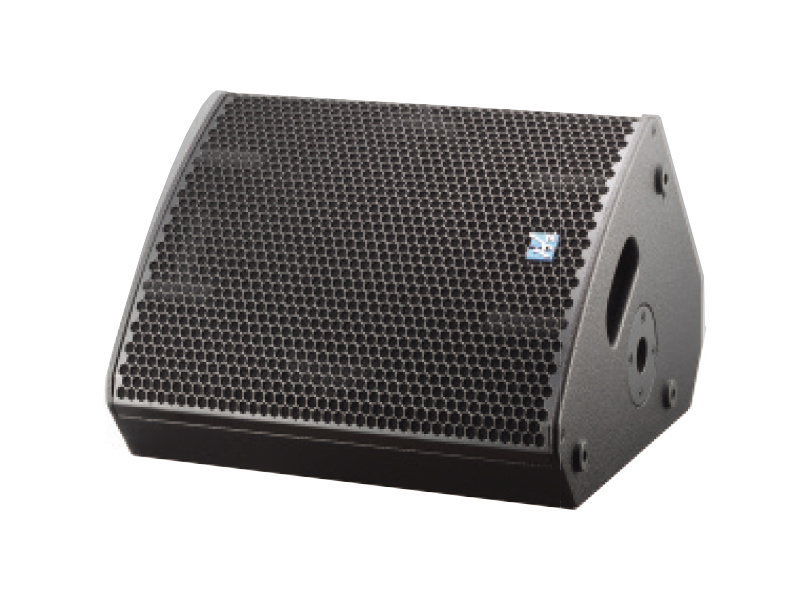
Wedge monitors are the most traditional form of stage monitors, designed to sit on the floor at an angle. These speakers project sound towards the performer while minimizing sound dispersion to the audience. They are popular for their reliability and durability, making them a staple in many venues.
In-Ear Monitors
In-ear monitors (IEMs) are becoming increasingly popular among performers who prefer a more discreet option. These monitors fit directly in the ear and often come with a personalized mix. IEMs provide excellent sound isolation, allowing performers to hear their mix without interference from ambient noise. They also reduce the risk of feedback, making them ideal for larger venues.
Line Array Monitors
Line array monitors consist of multiple speakers arranged in a vertical line. They are designed for larger venues where coverage is crucial. Line array systems can deliver sound across vast areas without losing clarity or volume. These systems are typically more complex and may require advanced sound engineering skills for optimal setup.
Choosing the Right Stage Monitor Speakers
Selecting the right stage monitor speakers depends on several factors, including the venue, the type of performance, and personal preferences. Here are some essential considerations:
1. **Venue Size**: Larger venues may require line array monitors or multiple wedge monitors to ensure all performers can hear themselves clearly.
2. **Type of Performance**: A rock band might benefit from powerful wedge monitors, while a solo acoustic artist may prefer the subtlety of IEMs.
3. **Sound Quality**: Pay attention to the frequency response and sound clarity. High-quality monitors can make a significant difference in performance.
4. **Budget**: While it’s tempting to go for high-end models, many affordable options provide excellent sound quality without breaking the bank. Always compare features to get the best value.
Setting Up Your Stage Monitor Speakers
Properly setting up your stage monitor speakers is critical for achieving the best sound quality. Follow these steps to ensure an effective setup:
1. **Placement**: Position wedge monitors at an angle towards the performer. In-ear monitors will require a wireless system to connect to the soundboard.
2. **Distance**: Ensure that monitors are placed at an appropriate distance from the performer to avoid feedback. Too close can amplify unwanted sounds while being too far can lead to a weaker audio experience.
3. **Mixing Console**: Connect your stage monitors to a mixing console. Adjust the levels carefully to provide each performer with a mix that suits their needs.
Conducting a Sound Check
Sound checks are crucial for ensuring that all components of the audio system work harmoniously. Here’s how to conduct an effective sound check:
1. **Set Initial Levels**: Begin with the volume levels low and gradually increase them for each channel.
2. **Individual Adjustments**: Have each performer provide feedback on their mix. This is where they can specify what levels they want for their vocals, instruments, and any backing tracks.
3. **Test for Feedback**: Move around the stage to check for potential feedback issues. Adjust the positioning of monitors if necessary.
Troubleshooting Common Issues
Even with the best setups, issues can arise during live performances. Here are some common problems and their solutions:
1. **Feedback**: If you experience feedback, try repositioning the monitors or reducing the gain levels on the mixing console.
2. **Inconsistent Sound**: If the sound varies between performers, check the monitor mix for each individual and adjust levels as necessary.
3. **Connectivity Issues**: For wireless in-ear systems, ensure that you have fresh batteries and check the receiver settings.
Maintaining Your Stage Monitor Speakers
Regular maintenance of stage monitor speakers is vital for ensuring their longevity and optimal performance. Here are some tips:
1. **Clean Regularly**: Dust and dirt can affect sound quality. Use a soft cloth to wipe down the speakers regularly.
2. **Check Cables**: Inspect cables for wear and tear. Replace any damaged cables immediately to avoid performance interruptions.
3. **Store Properly**: When not in use, store monitors in a dry and cool environment, ideally in protective cases to prevent damage.
Conclusion
Creating the perfect sound environment with stage monitor speakers is an art that requires careful planning and execution. With the right type of monitors, a solid setup, and regular maintenance, you can ensure that every performance delivers the clarity and impact that both performers and audiences expect. By following the insights and tips shared in this guide, you will be well on your way to mastering the complexities of stage sound.
FAQs
1. What are the main differences between wedge monitors and in-ear monitors?
Wedge monitors are floor speakers that project sound outward, while in-ear monitors are small devices that fit into the ear, providing a more isolated sound experience.
2. How can I reduce feedback when using stage monitors?
Feedback can be reduced by positioning monitors correctly, lowering gain levels, and adjusting the EQ settings on the mixing console.
3. What should I consider when mixing for performers?
Every performer has unique requirements. Consider their vocal volume, instrument levels, and personal preferences when creating their monitor mix.
4. How often should I perform maintenance on my stage monitor speakers?
Regular maintenance is recommended. Clean them after each use and conduct a thorough inspection at least once a month.
5. Can I use stage monitor speakers outdoors?
Yes, stage monitor speakers can be used outdoors, but it's essential to account for environmental factors such as wind and background noise, which can affect sound quality.
By implementing these guidelines and insights, you can create an unparalleled sound environment for your stage performances, ensuring a memorable experience for both performers and audiences alike.

CONTACT
Hzaudio Office Address: 16 st joins ave, mont Albert, Vic 3127, Australia
Hzaudio Lab Address: No. 455, Fuyi Road, Dalong Street, Panyu District, Guangzhou, China
Tel: +86 20-34882578 Cell:+86 18620144731
E-mail: sale@hzaudio.com
Follow Us On Wechat!