

Live Sound Speakers: How to Choose the Perfect Setup for Your Band’s Needs
Live Sound Speakers: How to Choose the Perfect Setup for Your Band’s Needs As a band, delivering high-quality sound during live performances is crucial. Your choice of live sound speakers can significantly impact the overall experience for both the performers and the audience. In this article, we will explore the essential factors to consider when selecting the right live sound speakers for your b
Aug 12,2026
Live Sound Speakers: How to Choose the Perfect Setup for Your Band’s Needs
As a band, delivering high-quality sound during live performances is crucial. Your choice of live sound speakers can significantly impact the overall experience for both the performers and the audience. In this article, we will explore the essential factors to consider when selecting the right live sound speakers for your band's unique needs. We'll cover everything from speaker types to technical specifications, ensuring you have all the information you need to make an informed decision.
Table of Contents
- Understanding Live Sound Speakers
- Types of Live Sound Speakers
- Key Technical Specifications to Consider
- The Importance of Wattage and Power Handling
- Understanding Frequency Response in Live Sound
- Portability and Setup Considerations
- Budgeting for Live Sound Speakers
- Care and Maintenance of Live Sound Speakers
- Frequently Asked Questions
- Conclusion
Understanding Live Sound Speakers
Live sound speakers play a pivotal role in any performance, providing the amplification necessary to reach the audience effectively. Understanding how live sound speakers work and their role in sound reinforcement is fundamental for any band. These speakers convert electrical signals from your mixing console into sound waves, ensuring that your music is heard clearly and powerfully.
Before delving into the selection process, it's essential to grasp the key components of live sound systems, including speakers, amplifiers, mixers, and microphones. Each element works cohesively to deliver a seamless audio experience. Selecting the right live sound speakers is particularly crucial, as they directly influence sound quality, coverage, and overall performance impact.
Types of Live Sound Speakers
There are several types of live sound speakers to consider, each designed for different applications and environments. Understanding the distinctions can help you select the best type for your band's specific needs.
Passive Speakers
Passive speakers require an external amplifier to function. They typically offer more flexibility in terms of customization and are often lighter than their active counterparts. However, they demand a more complicated setup, necessitating an understanding of impedance and power ratings.
Active Speakers
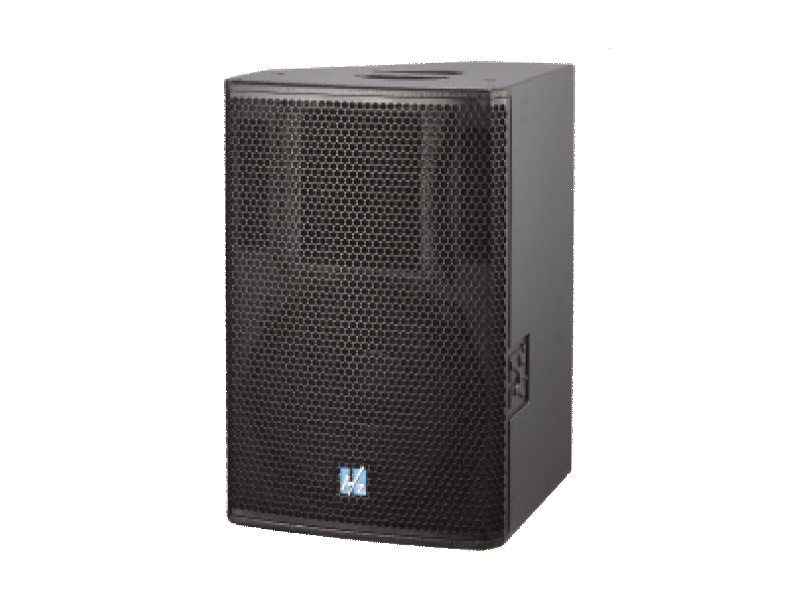
Active speakers come with a built-in amplifier, making them easier to set up and operate. They are ideal for bands looking for a straightforward solution without the need for additional equipment. With automatic equalization features, active speakers often provide superior sound quality in various environments.
Subwoofers
For bands that require deep, powerful bass sounds, subwoofers are essential. These speakers focus on low-frequency sounds, enhancing the overall audio experience and ensuring that your music resonates with the audience.
Monitor Speakers
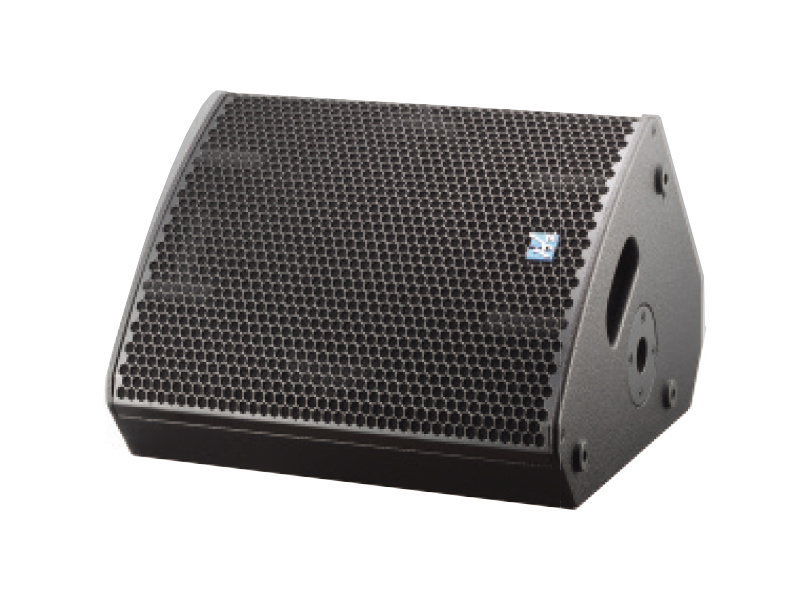
Monitor speakers, or floor monitors, allow musicians to hear themselves and each other on stage. They are crucial for maintaining sound balance during performances. Choosing the right monitor speakers can significantly impact a band's ability to perform effectively.
Key Technical Specifications to Consider
When selecting live sound speakers, several technical specifications are vital. Understanding these specifications will enable you to choose speakers that align with your band's requirements.
Power Rating (Wattage)
The power rating, measured in watts, is a critical specification. It determines how loud the speaker can get without distortion. Assess your performance venue's size and expected audience to choose an appropriate wattage that ensures clear and powerful sound delivery.
Frequency Response
Frequency response indicates the range of frequencies a speaker can reproduce. A wider frequency response allows for a fuller sound. Look for speakers that have a good balance of low, mid, and high frequencies to cater to different musical styles.
Impedance
Impedance, measured in ohms, affects how much power a speaker requires from an amplifier. Most speakers operate at 4, 6, or 8 ohms. Ensure your amplifier matches the impedance of your chosen speakers to prevent potential damage and ensure optimal performance.
Sensitivity
Sensitivity indicates how effectively a speaker converts power into sound. Higher sensitivity ratings mean that speakers will produce more output with less power, which is especially beneficial for large venues.
The Importance of Wattage and Power Handling
Understanding wattage and power handling is essential for selecting the appropriate speakers for your band. Insufficient wattage may lead to distorted sound and speaker damage, while excessive wattage can cause unwanted noise and feedback.
When calculating wattage needs, consider the size of the venue, the number of attendees, and the style of music. For larger venues, you may require speakers with higher wattage to ensure that all audience members can enjoy the performance. Additionally, pay attention to the power handling capabilities of the speakers to prevent overheating and damage during extended use.
Understanding Frequency Response in Live Sound
Frequency response is a critical component in delivering rich, full sound. The human ear can detect sounds across a frequency range of approximately 20 Hz to 20 kHz. To achieve a balanced sound, it's vital to select speakers that cover this range adequately.
When evaluating frequency response, look for specifications that include low-end (bass), mid-range, and high-end (treble) frequencies. This balance ensures that all elements of your music, from thumping bass lines to bright cymbals, are heard distinctly.
Portability and Setup Considerations
Portability is often an overlooked factor when selecting live sound speakers. If your band frequently travels for gigs, consider the weight and dimensions of the speakers. Active speakers tend to be heavier due to built-in amplifiers, but they often allow for quicker setup.
Additionally, consider your available setup time before performances. Some speakers come with features that simplify setup, such as integrated mixing consoles or preset equalization settings. These features can save valuable time, allowing you to focus on performance rather than technical adjustments.
Budgeting for Live Sound Speakers
When it comes to live sound speakers, budgeting is crucial for ensuring you get quality equipment without breaking the bank. Prices can vary widely based on brand, features, and specifications. Establish a budget that reflects your band’s needs while allowing for flexibility.
Investing in quality speakers can also save you money in the long run by minimizing the need for frequent replacements. Look for reputable brands known for durability and performance. Consider whether you want to buy new or used equipment, as used speakers can often provide excellent value if in good condition.
Care and Maintenance of Live Sound Speakers
Proper care and maintenance of your live sound speakers will ensure they perform optimally for years to come. Here are some essential tips:
Regular Cleaning
Dust and debris can accumulate on speaker grills and drivers, negatively impacting sound quality. Regularly clean your speakers with a soft cloth and avoid using harsh chemicals that could damage the material.
Secure Storage
When not in use, store your speakers in a secure, dry environment to prevent damage from moisture or physical impacts. Invest in quality cases or bags designed for your specific speakers to provide additional protection during transport.
Periodic Testing
Regularly test your speakers to ensure they are functioning correctly. Listen for any distortions or inconsistencies in sound quality, which could indicate potential issues. Addressing these problems early can save you from more costly repairs down the line.
Frequently Asked Questions
1. What is the best type of speaker for live performances?
The best type of speaker for live performances depends on your band's needs, but active speakers are often recommended for their ease of use and built-in amplification.
2. How many speakers do I need for a small venue?
For small venues, two main speakers and a subwoofer are typically sufficient. However, the number may vary based on the venue size and acoustics.
3. Can I use passive speakers without an external amplifier?
No, passive speakers require an external amplifier to function properly. Make sure to pair them with a compatible amplifier for optimal performance.
4. What should I look for in monitor speakers?
When selecting monitor speakers, consider their size, frequency response, and portability. Look for models that provide clarity and volume for stage performances.
5. How often should I replace my live sound speakers?
The lifespan of live sound speakers can vary, but regular maintenance and proper care can extend their life significantly. Replace them if you notice significant sound degradation or physical damage.
Conclusion
Selecting the right live sound speakers is a critical decision that can profoundly impact your band's performance. By understanding the different types of speakers, assessing technical specifications, and considering factors like portability and maintenance, you can choose speakers that elevate your sound quality and enhance your live performances. Whether you're just starting out or are a seasoned band, our comprehensive guide empowers you to make informed choices that align with your musical vision. With the right live sound speakers, you can captivate your audience and deliver unforgettable musical experiences.

CONTACT
Hzaudio Office Address: 16 st joins ave, mont Albert, Vic 3127, Australia
Hzaudio Lab Address: No. 455, Fuyi Road, Dalong Street, Panyu District, Guangzhou, China
Tel: +86 20-34882578 Cell:+86 18620144731
E-mail: sale@hzaudio.com
Follow Us On Wechat!