

The Essential Guide to Passive PA Speakers: Unlocking the Potential of Professional Sound Systems
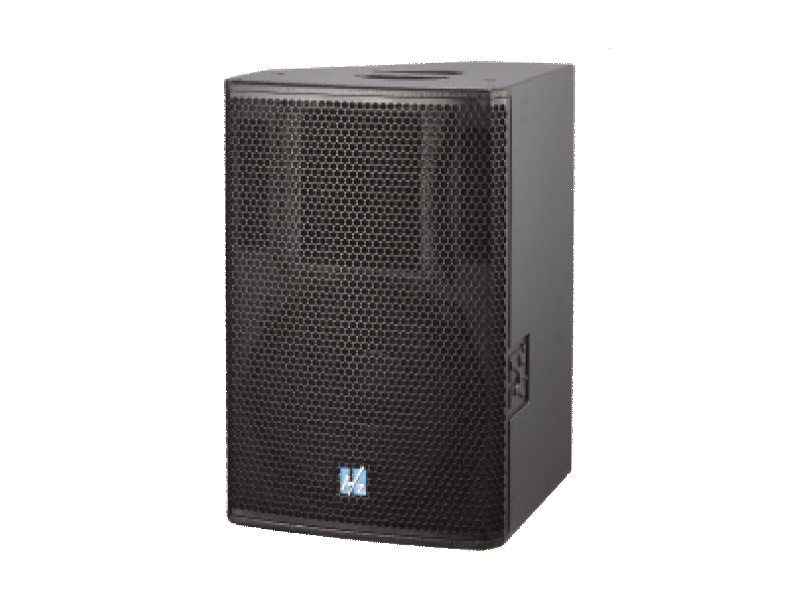
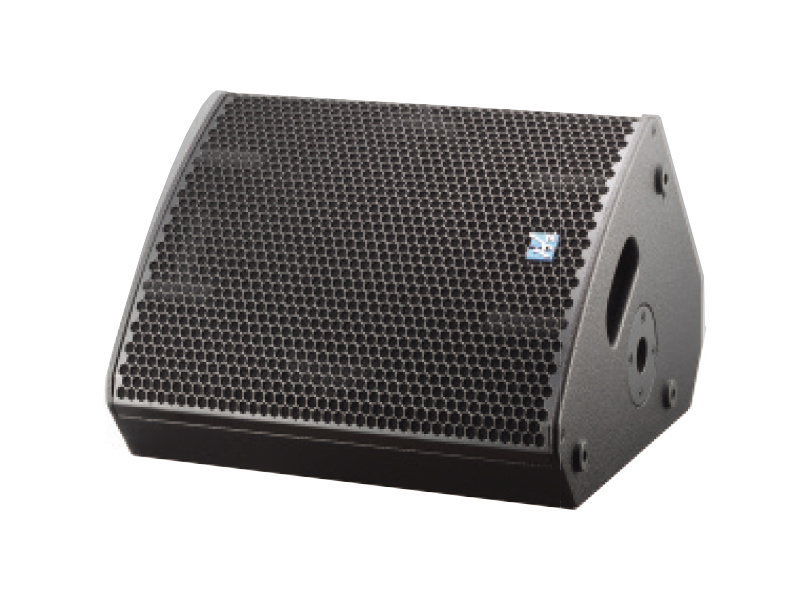
Passive PA speakers are a critical element in the realm of professional sound systems, particularly for those seeking flexibility and quality in audio reproduction. Unlike their active counterparts, passive PA speakers do not have built-in amplification. Instead, they rely on external amplifiers to drive the sound, which can offer several advantages for those looking to customize their audio exper
Aug 25,2026
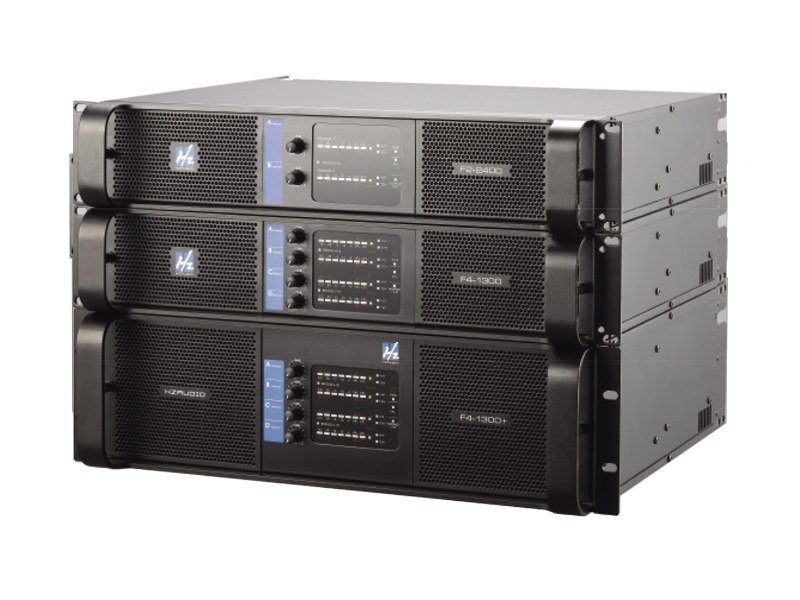
One of the primary benefits of passive PA speakers is their versatility. Since they do not include built-in amplifiers, users can pair them with various amplifiers that best suit their specific needs and preferences. This flexibility allows sound engineers and audio professionals to select amplifiers based on desired power output, sound characteristics, and even specific venue requirements. For instance, if a user is working in a large venue, they can opt for a powerful amplifier that matches the passive speaker's specifications, ensuring optimal sound coverage and quality.
Another crucial consideration is the sound quality. Passive PA speakers generally provide a more transparent sound as they are designed to reproduce audio as accurately as possible without the coloration that can sometimes occur with active systems. This attribute makes them particularly appealing for professional applications where sound fidelity is paramount, such as live performances, studio monitoring, and public address systems.
Moreover, passive PA speakers tend to be more durable and easier to repair than active models. Since they lack complex electronic components, they are less prone to failure. If a driver or crossover component needs replacement, it can often be done without the need to replace the entire unit, making them a cost-effective choice for long-term use.
However, selecting the right passive PA speakers involves careful consideration of various factors. The speaker's wattage rating should be matched with the amplifier's output to avoid underpowering or overpowering the speakers, which can lead to distortion or damage. Additionally, the impedances of both the speakers and the amplifier must be compatible to ensure efficient performance.
When setting up a passive PA system, understanding the importance of speaker placement is also vital. Proper positioning can significantly affect the sound dispersion and overall listening experience. Using techniques such as triangulation and considering the acoustics of the space can help achieve the best sound quality.
In summary, passive PA speakers are an excellent choice for those seeking a customizable and high-quality audio experience. By understanding their advantages and the intricacies of matching them with amplifiers and proper setups, audio professionals can harness the full potential of passive PA speakers, creating engaging and powerful soundscapes for any event.

CONTACT
Hzaudio Office Address: 16 st joins ave, mont Albert, Vic 3127, Australia
Hzaudio Lab Address: No. 455, Fuyi Road, Dalong Street, Panyu District, Guangzhou, China
Tel: +86 20-34882578 Cell:+86 18620144731
E-mail: sale@hzaudio.com
Follow Us On Wechat!