

Elevate Your Event: Choosing the Best Live Sound Speakers for Unforgettable Experiences
Elevate Your Event: Choosing the Best Live Sound Speakers Table of Contents 1. Introduction to Live Sound Speakers 2. Types of Live Sound Speakers 3. Key Features to Consider When Choosing Speakers 4. How to Match Speakers to Your Event Type 5. Setup and Arrangement Tips for Optimal Sound 6. Budgeting for Your Live Sound Needs 7. Top Brands and Models in Live Sound Spe
Aug 28,2026
Elevate Your Event: Choosing the Best Live Sound Speakers
Table of Contents
- 1. Introduction to Live Sound Speakers
- 2. Types of Live Sound Speakers
- 3. Key Features to Consider When Choosing Speakers
- 4. How to Match Speakers to Your Event Type
- 5. Setup and Arrangement Tips for Optimal Sound
- 6. Budgeting for Your Live Sound Needs
- 7. Top Brands and Models in Live Sound Speakers
- 8. Frequently Asked Questions
- 9. Conclusion
1. Introduction to Live Sound Speakers
When planning an event, whether it’s a concert, wedding, corporate gathering, or festival, **sound quality** is paramount. The right live sound speakers can transform a good event into an extraordinary experience, filling the venue with clear, powerful audio that resonates with every attendee. In this comprehensive guide, we will explore everything you need to know about choosing the best live sound speakers to elevate your event.
Understanding the nuances of live sound speakers is essential. From professional audio systems to portable options, the choice can seem overwhelming. This article will provide valuable insights and recommendations to help you make an informed decision.
2. Types of Live Sound Speakers
Choosing the right type of speaker for your event involves understanding the various options available. Below are the most common types of live sound speakers you might consider:
2.1 Active Speakers
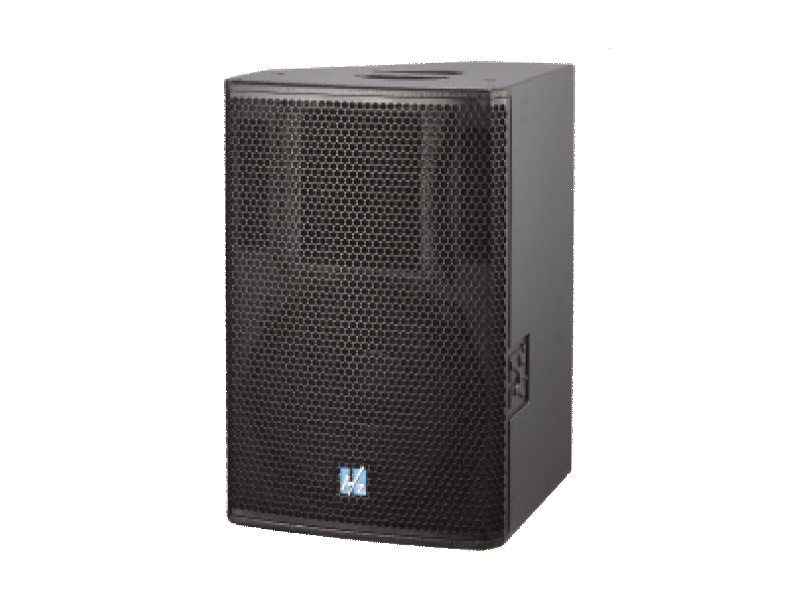
Active speakers, also known as powered speakers, come with built-in amplifiers. This feature makes them an excellent choice for event organizers seeking convenience and ease of setup. Simply plug them in, connect your audio source, and you’re ready to go. They are particularly useful for smaller venues or when portability is essential.
2.2 Passive Speakers
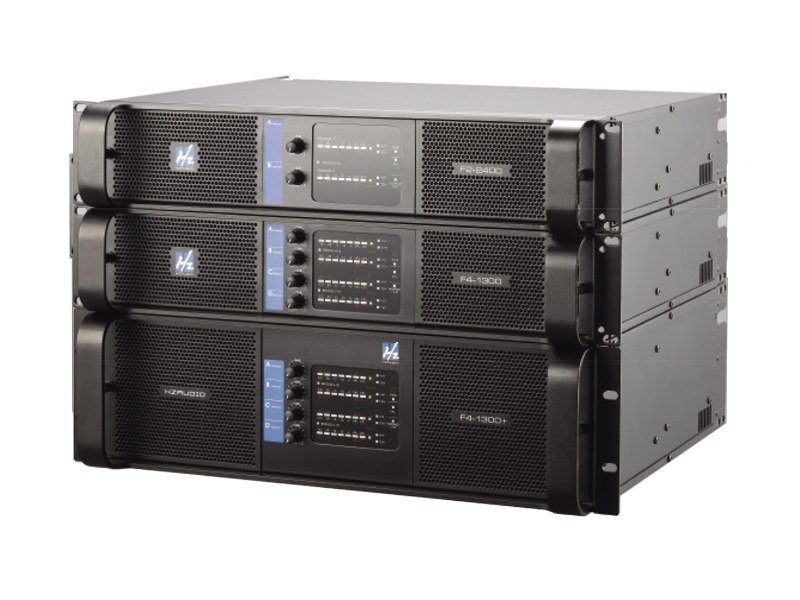
Passive speakers require an external amplifier to function. While they may require more setup than active speakers, passive systems often provide superior sound quality and flexibility. They are ideal for larger events where sound coverage is critical and where you may want to customize your audio setup with different amplifiers.
2.3 Line Array Speakers
Line array speakers are designed for larger venues and outdoor events. They provide excellent sound dispersion and clarity over long distances, ensuring that every audience member receives high-quality audio. These systems can be complex to set up but are worth the investment for significant events.
2.4 Subwoofers
Subwoofers are essential for bass-heavy music genres. They enhance the overall sound experience by providing deep, powerful low frequencies. Integrating subwoofers with your main speakers can drastically improve the audio output, making them a popular choice for music festivals and concerts.
2.5 Monitor Speakers
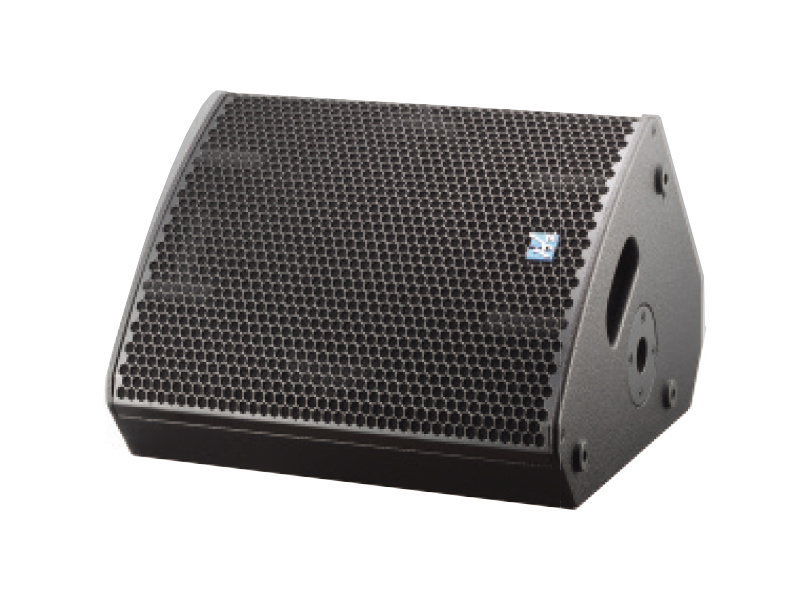
Monitor speakers are used primarily on stage to help performers hear themselves and the accompanying instruments. They are crucial for live bands and orchestras, ensuring that musicians can perform accurately and confidently.
3. Key Features to Consider When Choosing Speakers
When selecting live sound speakers, several critical features can make or break your audio experience. Here are some key considerations:
3.1 Power Rating
The power rating, measured in watts, indicates how much power the speaker can handle. For live events, aim for speakers with a higher wattage to ensure they can fill the space without distortion.
3.2 Frequency Response
Frequency response refers to the range of frequencies a speaker can reproduce. Look for speakers with a wide frequency response to capture highs, mids, and lows effectively. Ideally, you want a speaker that can reproduce sound from 20 Hz to 20 kHz for a well-rounded audio experience.
3.3 Portability
Depending on your event's location, portability might be a significant factor. Consider the weight and size of the speakers, as well as how easily they can be transported and set up. Some speakers come with built-in handles or wheels for easy mobility.
3.4 Connectivity Options
Ensure the speakers you choose have various connectivity options, including XLR, TRS, and Bluetooth. This flexibility allows you to connect different audio sources and adapt as necessary during setup.
3.5 Durability
For outdoor events, durability is vital. Look for speakers built with robust materials that can withstand various weather conditions. Water-resistant or weatherproof speakers offer additional protection and peace of mind.
4. How to Match Speakers to Your Event Type
Tailoring your speaker choice to the specific type of event can greatly enhance the experience. Here’s how to match speakers to your event:
4.1 Corporate Events
For corporate events, clarity and professionalism are key. Choose speakers with excellent vocal reproduction, such as active speakers with a flat frequency response.
4.2 Live Concerts
In live concerts, especially for larger venues, line array speakers paired with subwoofers provide the power and clarity needed to fill the space and engage the audience.
4.3 Wedding Receptions
Weddings often require versatility. A combination of active speakers and subwoofers can accommodate speeches, background music, and dancing, ensuring all aspects of the celebration are covered.
4.4 Outdoor Festivals
For outdoor festivals, prioritize durability and sound dispersion. Line array systems paired with robust subwoofers can ensure the sound carries across large areas and diverse audiences.
5. Setup and Arrangement Tips for Optimal Sound
Setting up your live sound speakers correctly can dramatically affect the audio experience. Here are some tips for optimal setup:
5.1 Speaker Placement
Position speakers at ear level for the best sound quality. Avoid placing them directly against walls, as this can cause reflections and muddiness in the sound.
5.2 Spacing
Ensure your speakers are spaced evenly to provide balanced sound coverage. The distance between speakers should be roughly equal to the distance from the speakers to the audience for ideal sound distribution.
5.3 Angle the Speakers
Angle the speakers slightly towards the audience for optimal sound projection. This adjustment helps to ensure that everyone in the audience receives balanced sound, regardless of where they are positioned.
5.4 Conduct Sound Checks
Before the event begins, conduct thorough sound checks to identify any issues. This step allows you to make necessary adjustments to balance levels and ensure optimal audio quality.
6. Budgeting for Your Live Sound Needs
Understanding your budget is crucial when selecting live sound speakers. Here are some tips for effective budgeting:
6.1 Determine Your Needs
Start by assessing your specific audio requirements. Consider factors such as the size of the venue, number of attendees, and type of event.
6.2 Research Costs
Conduct thorough research on various speaker options within your budget. Compare features, performance, and brand reputation to make an informed decision.
6.3 Consider Rental Options
If purchasing high-end speakers is outside your budget, consider renting. Many companies offer equipment rentals that can provide high-quality sound solutions without the full upfront cost.
6.4 Plan for Additional Costs
Don’t forget to factor in additional costs such as cables, stands, and sound engineering services. These elements can significantly impact your overall audio budget.
7. Top Brands and Models in Live Sound Speakers
The market is filled with various brands and models of live sound speakers, each offering unique features. Here are some of the top brands known for their quality:
7.1 JBL
JBL offers a wide range of active and passive speakers known for their durability and sound quality. Models like the JBL EON615 are popular for their portability and performance.
7.2 QSC
QSC is renowned for its high-quality powered speakers, such as the QSC K12.2, which provides excellent sound and versatility for various events.
7.3 Yamaha
Yamaha produces a range of professional audio equipment, including the DXR series of powered speakers. Their products are known for clarity and reliability in live settings.
7.4 Bose
Bose is synonymous with exceptional sound quality. Their L1 Model II system is a favorite among performers for its unique design and clean audio output.
7.5 Mackie
Mackie is celebrated for producing budget-friendly powered speakers, such as the Thump series, which deliver solid performance without breaking the bank.
8. Frequently Asked Questions
8.1 What size speakers do I need for my event?
The size of the speakers you need depends on the venue size and the number of attendees. Generally, larger venues require speakers with higher power outputs to ensure sound coverage.
8.2 Can I use passive speakers without an amplifier?
No, passive speakers cannot operate on their own. They require an external amplifier to function effectively.
8.3 How do I connect my speakers to my audio source?
Most speakers will have XLR or TRS inputs. Use the appropriate cables to connect your audio source, whether it's a mixer, computer, or instrument.
8.4 How can I improve sound quality at my event?
To improve sound quality, ensure your speakers are properly positioned, conduct thorough sound checks, and consider using additional sound treatment for the venue if necessary.
8.5 Are there speakers specifically designed for outdoor events?
Yes, many brands offer weather-resistant or weatherproof speakers designed for outdoor use. These speakers are built to withstand the elements while delivering quality sound.
9. Conclusion
Selecting the right live sound speakers is crucial for elevating your event and ensuring an unforgettable audio experience for your audience. By understanding the types of speakers available, key features to consider, and how to match them to your event type, you can make informed decisions that enhance your overall production. Remember to prioritize setup and arrangement for optimal sound and to budget wisely to accommodate quality equipment. With the right tools in place, your event can deliver stunning audio that resonates long after the final note fades away.

CONTACT
Hzaudio Office Address: 16 st joins ave, mont Albert, Vic 3127, Australia
Hzaudio Lab Address: No. 455, Fuyi Road, Dalong Street, Panyu District, Guangzhou, China
Tel: +86 20-34882578 Cell:+86 18620144731
E-mail: sale@hzaudio.com
Follow Us On Wechat!