

The Importance of Sound Clarity in Stage Monitor Speakers: Unlocking the Power of Live Performance
The Importance of Sound Clarity in Stage Monitor Speakers Understanding Stage Monitor Speakers Stage monitor speakers are essential tools in live performances, providing artists with a reliable audio feed of their performance. Unlike traditional loudspeakers, which project sound to the audience, stage monitors are designed to deliver sound directly to the performers. This enables musicians to hear
Aug 30,2026
The Importance of Sound Clarity in Stage Monitor Speakers
Understanding Stage Monitor Speakers
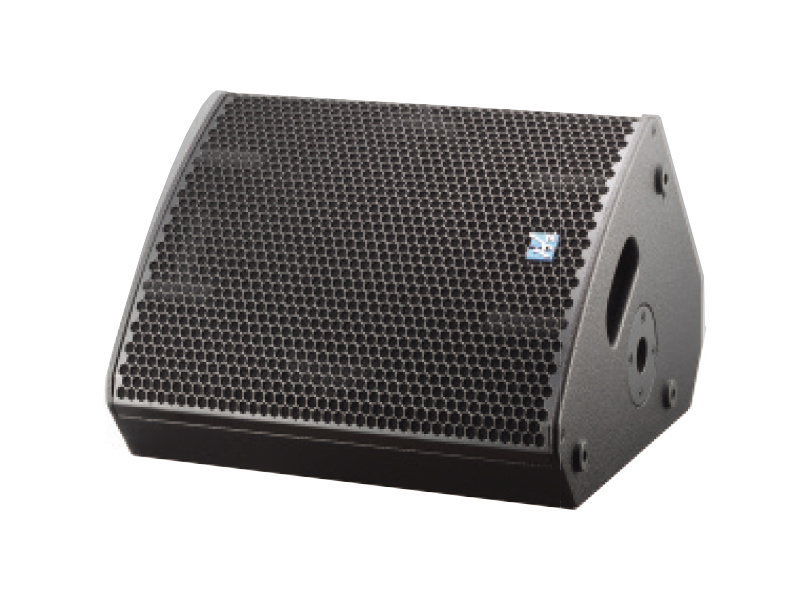
Stage monitor speakers are essential tools in live performances, providing artists with a reliable audio feed of their performance. Unlike traditional loudspeakers, which project sound to the audience, stage monitors are designed to deliver sound directly to the performers. This enables musicians to hear themselves and their bandmates clearly, allowing for more accurate performances.
What is Sound Clarity and Why Does It Matter?
Sound clarity refers to the precision and transparency of audio reproduction. It ensures that musicians can discern every note, vocal nuance, and dynamic change. Without sound clarity, a performance can become muddled, leading to errors, miscommunication, and an overall lack of cohesion.
How Sound Clarity Affects Performance Quality
When performers can hear themselves clearly, they are likely to deliver a more confident and polished performance. Sound clarity plays a crucial role in various aspects, including pitch accuracy, timing, and emotional expression. Musicians often rely on stage monitors to adjust their performance in real-time; thus, any distortion or lack of clarity can significantly impact the outcome.
Key Factors Influencing Sound Clarity in Stage Monitors
Several factors contribute to achieving optimal sound clarity in stage monitor speakers. Understanding these elements can aid in selecting the right equipment and ensuring high-quality sound for live performances.
1. Speaker Design and Construction
The physical design of stage monitor speakers significantly affects sound clarity. High-quality materials, such as durable enclosures and advanced driver technology, help produce clearer and more accurate sound. The design should also minimize resonance and unwanted vibrations.
2. Frequency Response
The frequency response of a speaker indicates how well it can reproduce different sound frequencies. A wide frequency range typically results in a more balanced sound, allowing both low-end instruments and high-frequency vocals to be heard clearly. Look for monitors with a frequency response that covers the entire spectrum of sound.
3. Power Handling Capacity
The power handling capacity of stage monitors determines how much power they can handle without distortion. Monitors with higher wattage can deliver clearer sound at higher volumes, ensuring that artists can perform confidently, even in loud environments.
4. Placement and Positioning
The position of stage monitors affects how sound is projected and perceived. Proper positioning ensures that sound reaches the artist without interference from other stage elements. Additionally, angling monitors towards performers can enhance clarity and reduce feedback issues.
Best Practices for Achieving Optimal Sound Clarity
To maximize sound clarity in stage monitors, consider implementing the following best practices:
1. Invest in Quality Equipment
Selecting high-quality stage monitors is crucial for achieving exceptional sound clarity. Look for reputable brands known for their performance and reliability in live settings.
2. Utilize EQ Settings Wisely
Using equalization (EQ) settings can help tailor the sound to suit the stage environment. Adjusting frequencies can reduce feedback and enhance clarity, allowing performers to hear themselves better.
3. Regular Maintenance
Maintaining stage monitors through regular inspections and servicing will keep them in optimal condition. Clean connections, check for damage, and ensure that all components are functioning correctly to avoid sound issues during performances.
4. Conduct Sound Checks
Before any performance, conducting thorough sound checks allows performers to adjust monitor levels and settings. This practice is vital for ensuring that everyone hears what they need to perform at their best.
Choosing the Right Stage Monitor Speakers
Selecting the right stage monitor speakers can significantly influence sound clarity. Here are some factors to consider:
1. Type of Monitor
There are generally two types of stage monitors: passive and active. Passive monitors require an external amplifier, while active monitors have built-in amplification. Active monitors tend to offer better sound clarity due to optimized power handling and built-in EQ.
2. Monitor Size and Power
The size of the monitor should match the performance space. Larger venues may require more powerful speakers to ensure sound clarity at higher volumes, while smaller settings may only need compact monitors.
3. Portability
For touring musicians, portability is essential. Lightweight and easily transportable monitors ensure that artists can set up and tear down quickly while maintaining sound quality.
Technological Innovations Enhancing Sound Clarity
Advancements in technology continue to improve sound clarity in stage monitor speakers. Some notable innovations include:
1. Digital Signal Processing (DSP)
Many modern stage monitors come equipped with DSP capabilities, allowing for real-time adjustments to frequency response, phase alignment, and dynamic control, enhancing overall sound clarity.
2. Wireless Monitoring Systems
Wireless in-ear monitoring systems eliminate the need for traditional stage monitors, providing musicians with personalized mixes and unprecedented sound clarity without the clutter of cables and speakers on stage.
3. Feedback Elimination Technologies
Advanced feedback elimination technologies help manage and reduce feedback, ensuring clarity remains intact even at high volumes.
Real-World Examples of Sound Clarity in Action
Many renowned musicians emphasize the importance of sound clarity in their performances. For instance, artists like Beyoncé and Ed Sheeran utilize high-quality stage monitor systems that enhance their vocal clarity, enabling them to deliver powerful performances with precision. Sound engineers play a crucial role in ensuring that these artists achieve the best possible sound clarity through meticulous planning, equipment selection, and real-time adjustments.
Conclusion
Sound clarity in stage monitor speakers is not just a luxury; it is a necessity for delivering exceptional live performances. By understanding the key factors influencing sound clarity, implementing best practices, and selecting the right equipment, musicians can enhance their overall performance quality. Investing in high-quality stage monitors and leveraging technological advancements will ensure that both performers and audiences experience the music as it was intended — clear, powerful, and unforgettable.
FAQs
1. What are the key features to look for in stage monitor speakers?
Look for features such as a wide frequency response, high power handling capacity, durable construction, and advanced driver technology for optimal sound clarity.
2. How does positioning affect the sound clarity of stage monitors?
Positioning stage monitors correctly ensures sound reaches performers directly without interference, enhancing clarity and reducing feedback issues.
3. Are in-ear monitors better than traditional stage monitors?
In-ear monitors can provide clearer sound and personal mixes without the potential for feedback, making them an excellent choice for many performers.
4. How often should stage monitors be maintained?
Regular maintenance is essential. Inspect monitors before each performance and schedule professional servicing periodically to keep them in optimal condition.
5. Can sound clarity be improved during a live performance?
Yes, sound clarity can be improved during a live performance through sound checks, adjusting EQ settings, and making real-time adjustments to monitor levels.

CONTACT
Hzaudio Office Address: 16 st joins ave, mont Albert, Vic 3127, Australia
Hzaudio Lab Address: No. 455, Fuyi Road, Dalong Street, Panyu District, Guangzhou, China
Tel: +86 20-34882578 Cell:+86 18620144731
E-mail: sale@hzaudio.com
Follow Us On Wechat!