

Why Live Sound Speakers Are Essential for Any Music Venue
Why Live Sound Speakers Are Essential for Any Music Venue In the dynamic world of music venues, the importance of sound cannot be overstated. Whether it's a small local club or a large concert hall, the quality of sound directly impacts audience engagement and overall experience. **Live sound speakers** serve as the cornerstone of this experience, transforming a simple performance into an unforget
Sep 05,2026
Why Live Sound Speakers Are Essential for Any Music Venue
In the dynamic world of music venues, the importance of sound cannot be overstated. Whether it's a small local club or a large concert hall, the quality of sound directly impacts audience engagement and overall experience. **Live sound speakers** serve as the cornerstone of this experience, transforming a simple performance into an unforgettable event. In this article, we will explore the various facets that underscore the necessity of live sound speakers in any music venue.
A Brief Overview of Live Sound Systems
Before delving into why live sound speakers are essential, it’s crucial to understand what a **live sound system** entails. A typical live sound system comprises several components:
- **Mixing Console**: This device controls the sound signals from microphones and instruments.
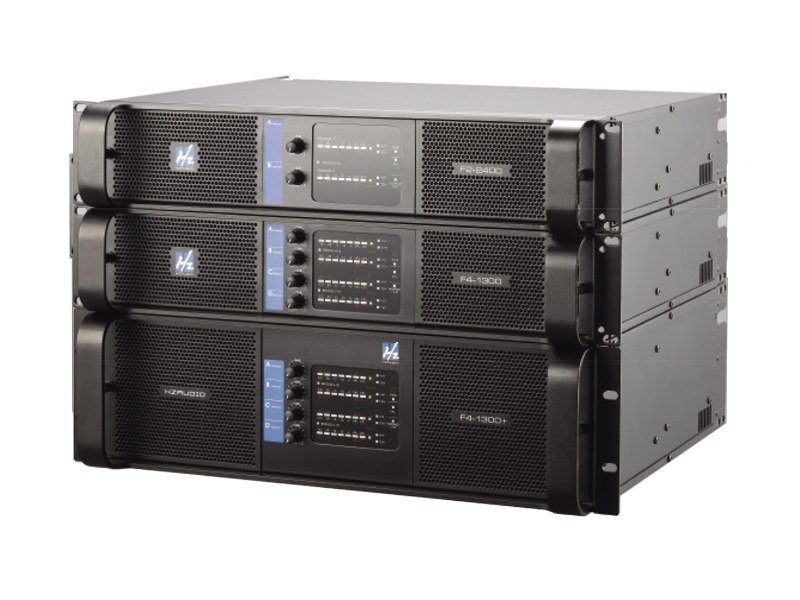
- **Amplifiers**: These boost the audio signals to a level suitable for speakers.
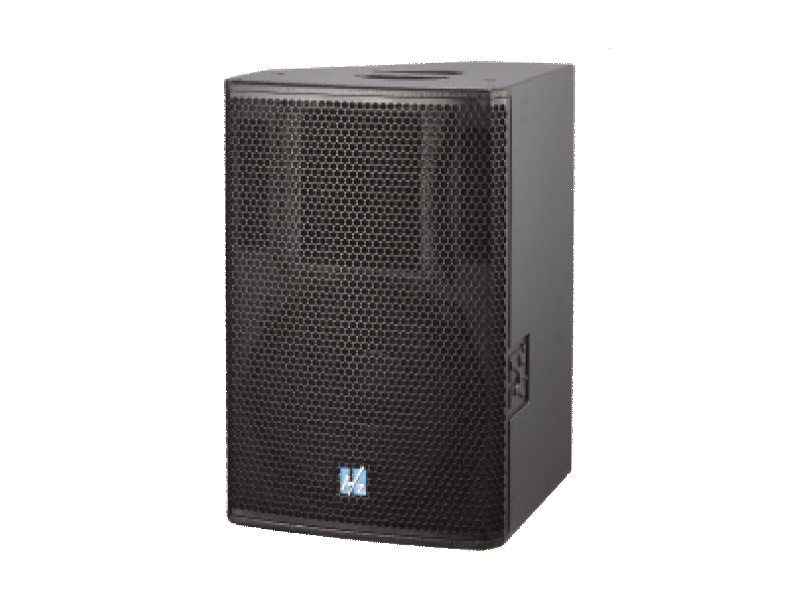
- **Speakers**: The most critical element, responsible for projecting sound to the audience.
- **Microphones**: These capture sound from performers and instruments.
When all these elements work harmoniously, they create a powerful audio experience that resonates with audiences. But what makes live sound speakers stand out? Let's break it down further.
The Importance of Sound Quality in Music Venues
Enhancing Audience Experience
Sound quality is paramount in any music venue. Audiences attend events to immerse themselves in live performances, and poor audio quality can quickly turn an enjoyable evening into a frustrating experience. **Live sound speakers** are designed to deliver crisp highs, warm mids, and robust lows, ensuring that every note is heard as the artist intended.
Supporting Diverse Genres
Different genres of music require different sound profiles. For example, a rock concert may need heavy bass response, while a classical performance benefits from clear midrange and treble. High-quality live sound speakers are versatile enough to adapt to various musical styles, offering customized audio experiences tailored to each event.
Types of Live Sound Speakers
Passive vs. Active Speakers
Understanding the types of speakers available is essential for any music venue. **Passive speakers** require external amplifiers to function, while **active speakers** have built-in amplifiers. Each type has its advantages:
- **Passive Speakers**: Typically offer a more extensive range of power and flexibility, making them suitable for larger venues.
- **Active Speakers**: Easier to set up and often come with built-in equalizers, making them ideal for smaller venues or events.
Monitors and PA Systems
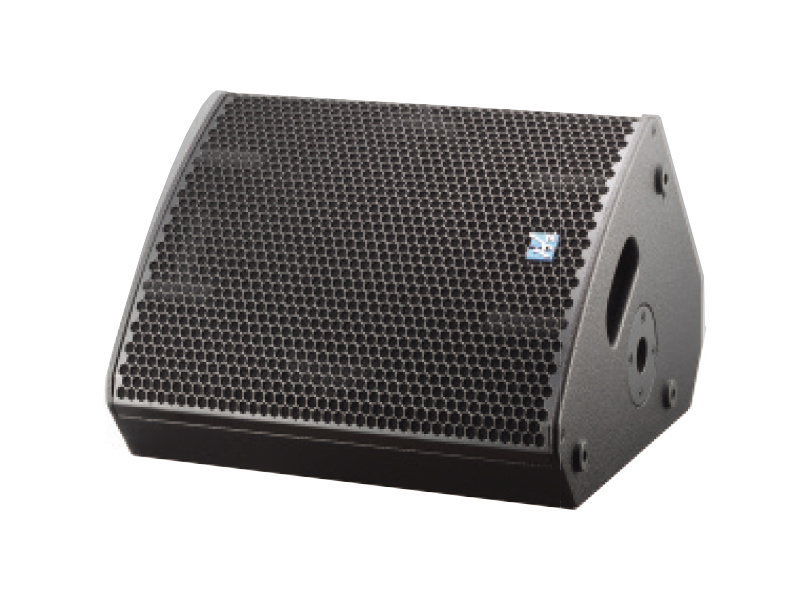
In addition to main speakers, venues often utilize **stage monitors** to ensure performers can hear themselves and each other. A well-designed **PA (Public Address) system** is equally crucial for ensuring that announcements and spoken word performances are delivered clearly to the audience.
Acoustic Treatments and Speaker Placement
The Role of Acoustics
The acoustics of a venue greatly influence sound quality. Factors such as room shape, materials, and audience size can either enhance or diminish sound performance. Proper **acoustic treatment**—using sound-absorbing materials and strategically placed reflective surfaces—can optimize audio delivery.
Speaker Placement Strategies
Even the best speakers will fail to deliver optimal sound if not placed correctly. Key considerations include:
- **Distance from Walls**: Avoid placing speakers too close to walls, which can cause sound reflections and muddiness.
- **Height and Angle**: Positioning speakers at the right height and angle ensures sound reaches all areas of the venue evenly.
The Impact of Technology on Live Sound Speakers
Advancements in Speaker Technology
Technology continues to evolve in the audio industry, leading to significant improvements in live sound speakers. From enhanced materials to sophisticated digital signal processing, modern speakers can deliver unparalleled sound quality. Features such as built-in crossovers and customizable EQ settings allow sound engineers to fine-tune the audio experience.
Wireless Technology and Flexibility
With the advent of **wireless technology**, venues now have the flexibility to set up sound systems without being tethered to traditional wiring. Wireless speakers can be strategically placed throughout a venue to provide an immersive sound experience, eliminating the hassle of cables and allowing for more creative setups.
Case Studies: Successful Venues and Their Sound Systems
Legendary Music Venues
Many renowned music venues have invested heavily in their sound systems, setting industry standards. For example, the **Red Rocks Amphitheatre** in Colorado is famed for its natural acoustics, complemented by state-of-the-art sound systems. Similarly, the **Apollo Theater** in New York showcases how legacy venues utilize cutting-edge technology alongside historic charm to enhance the audience's auditory experience.
Small Venues Making Big Waves
It’s not just major venues that benefit from quality sound systems. Smaller clubs, such as the **Bluebird Cafe** in Nashville, have proven that a well-designed sound setup can elevate performances and attract significant talent. These spaces often rely on high-quality live sound speakers that allow local artists to shine.
FAQs About Live Sound Speakers
1. Why are live sound speakers important for music venues?
Live sound speakers are essential for providing high-quality audio, enhancing the overall experience for both performers and audiences, and ensuring that every detail of the performance can be heard clearly.
2. What types of speakers are best for smaller venues?
Active speakers are often best for smaller venues due to their built-in amplifiers and ease of setup, allowing for a quick and hassle-free installation.
3. How can I optimize my venue's acoustics?
Using sound-absorbing materials, strategic speaker placement, and understanding the venue's unique acoustic properties can significantly enhance sound quality.
4. What is the difference between passive and active speakers?
Passive speakers require an external amplifier, while active speakers have built-in amplifiers. Each has its own advantages depending on the venue's needs.
5. How does technology impact live sound speakers?
Advancements in technology have led to improvements in sound quality, flexibility, and ease of use, including features like wireless connectivity and digital signal processing.
Conclusion
In summation, live sound speakers are an indispensable component of any music venue. They not only enhance the listening experience but also provide the necessary support for diverse musical genres and performances. As technology continues to evolve, investing in high-quality sound systems will remain a priority for venues aiming to deliver outstanding audio experiences. By understanding the various types of speakers, the importance of acoustics, and the impact of modern technology, venues can ensure they are well-equipped to engage their audiences effectively and create memorable events. The right sound system can make all the difference, elevating a simple performance into a captivating musical journey.

CONTACT
Hzaudio Office Address: 16 st joins ave, mont Albert, Vic 3127, Australia
Hzaudio Lab Address: No. 455, Fuyi Road, Dalong Street, Panyu District, Guangzhou, China
Tel: +86 20-34882578 Cell:+86 18620144731
E-mail: sale@hzaudio.com
Follow Us On Wechat!