

Understanding Passive PA Speakers: A Comprehensive Guide for Professionals
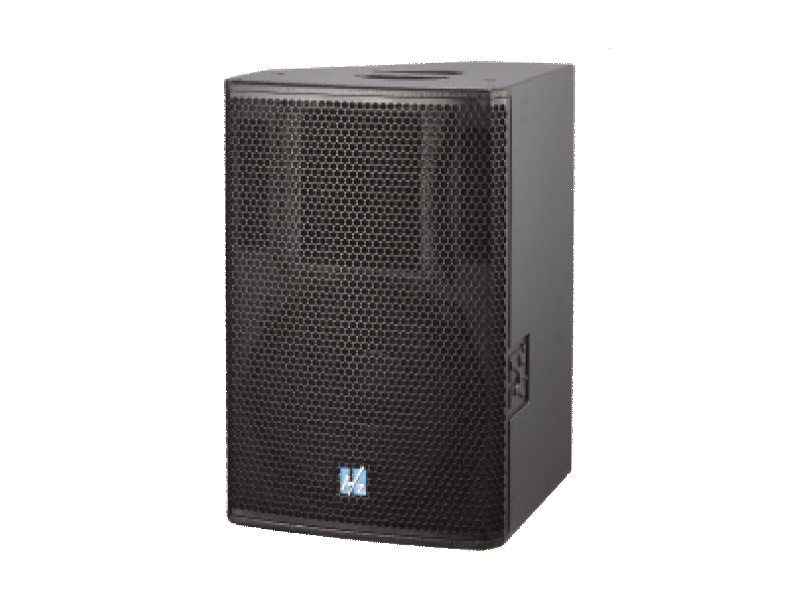
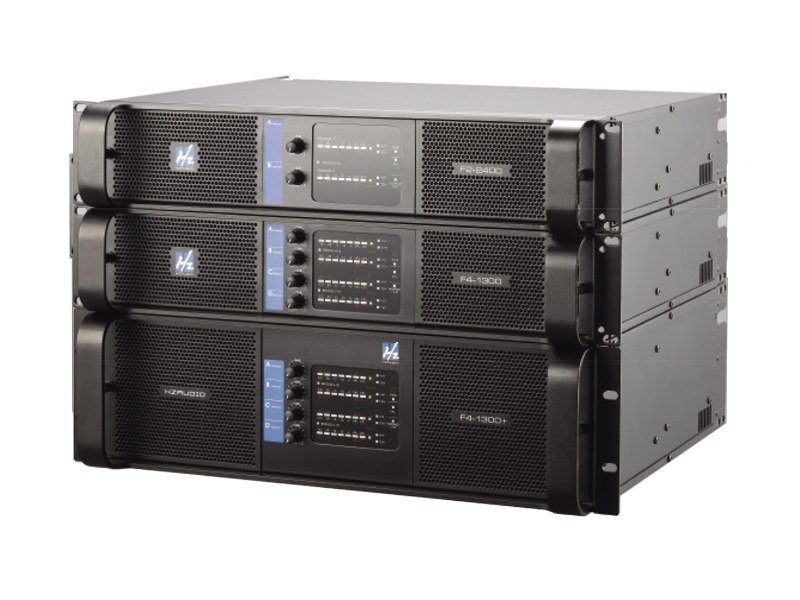
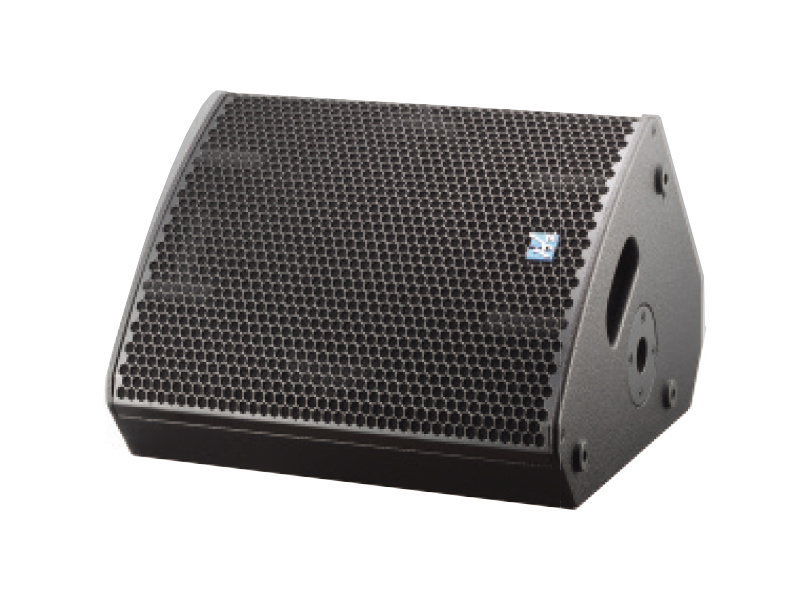
Passive PA speakers are a fundamental component in the professional audio industry, especially within the realms of live sound, events, and installations. Unlike their active counterparts, passive PA speakers do not come with built-in amplifiers. Instead, they rely on an external amplifier to power them, giving users greater flexibility in terms of sound quality, amplification power, and system co
Sep 10,2026
One of the primary advantages of passive PA speakers is their versatility. They can be paired with various amplifier types and sizes, allowing sound engineers to tailor their setups based on venue size and acoustics. This adaptability ensures that audio professionals can achieve the desired sound output, whether it’s a small gathering or a large concert.
In terms of construction, passive PA speakers typically feature multiple drivers, such as woofers and tweeters, which handle different frequency ranges. This design allows for clearer sound reproduction, as each driver is optimized for its specific range. When selecting passive PA speakers, it's crucial to consider factors such as impedance, power handling capacity, and sensitivity. These specifications help ensure that the speakers can work harmoniously with the chosen amplifier, preventing potential damage and maximizing audio performance.
Another key aspect of passive PA speakers is their lightweight and portable design, making them suitable for various applications, including mobile setups for DJs and outdoor events. Their relatively simple design also makes them easy to repair and maintain, as individual components can often be replaced without the need for a complete system overhaul. This can be a significant advantage for audio professionals who often need to ensure reliability and longevity in their equipment.
When discussing passive PA speakers, it’s also important to highlight the role of crossovers. These electronic circuits are essential for directing the appropriate frequency ranges to the correct drivers within the speaker. A well-designed crossover can significantly enhance sound clarity and overall performance, making it a crucial consideration when building or upgrading an audio system.
In conclusion, passive PA speakers are a vital tool for audio professionals, offering flexibility, versatility, and sound quality. By understanding their features, applications, and the importance of matching them with the right amplifier, industry professionals can make informed decisions that elevate their audio setups. Whether for live performances or installations, mastering the use of passive PA speakers can greatly enhance the listener's experience, ensuring that audio professionals deliver high-quality sound in any setting.

CONTACT
Hzaudio Office Address: 16 st joins ave, mont Albert, Vic 3127, Australia
Hzaudio Lab Address: No. 455, Fuyi Road, Dalong Street, Panyu District, Guangzhou, China
Tel: +86 20-34882578 Cell:+86 18620144731
E-mail: sale@hzaudio.com
Follow Us On Wechat!